Methane

Scientists Hack Microbes to Identify Environmental Sources of Methane

UC Berkeley researchers tweaked a key enzyme involved in microbial methane production to understand the unique fingerprints of different environments on Earth that generate the greenhouse gas. By Robert Sanders Roughly two-thirds of all emissions of atmospheric methane — a highly potent greenhouse gas that is warming planet Earth — come … [continued]

Can Ship Design Stop Methane Emissions In Shallow Waters?

I was recently asked if reducing ship speeds is the only available solution to the methane emissions documented in a recent study from the journal Communications Earth & Environment. The research, focused on ship traffic in Neva Bay, Russia, revealed that vessels traveling faster than 12 knots with hull drafts … [continued]

MethaneSAT’s Silence Won’t Save Methane Emitters From Scrutiny

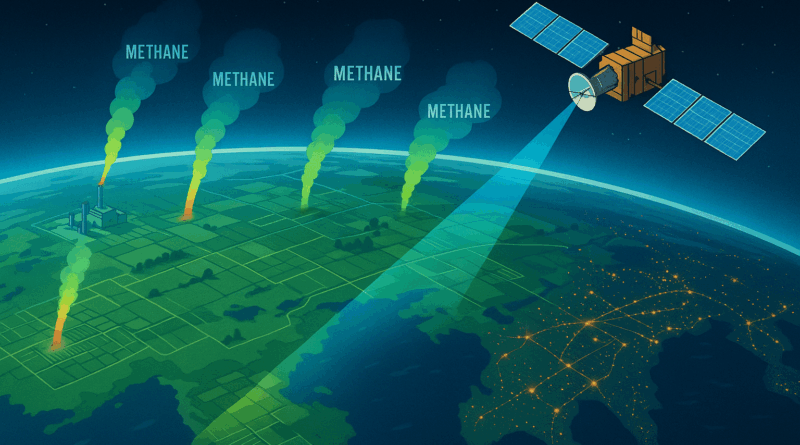
The recent failure of MethaneSAT, the widely publicized methane-monitoring satellite developed by the Environmental Defense Fund, attracted global attention. The satellite lost communication with ground control in June 2025, just 15 months after its launch, and was officially declared irrecoverable in July. This event disappointed climate scientists, environmentalists, and policymakers … [continued]

Flash Ironmaking Hits Combustion Wall Amid Steel’s Decarbonization Shift

My recent update of my global steel projection through 2100, driven by China’s declining demand for cement and infrastructure construction, has refocused my attention on pathways for steel decarbonization. The dynamics of steel consumption and emissions are closely linked to building and infrastructure development, sectors traditionally responsible for about half … [continued]

Hidden Super-Emitters: The Climate Imperative Of Addressing Abandoned Fossil Fuel Infrastructure

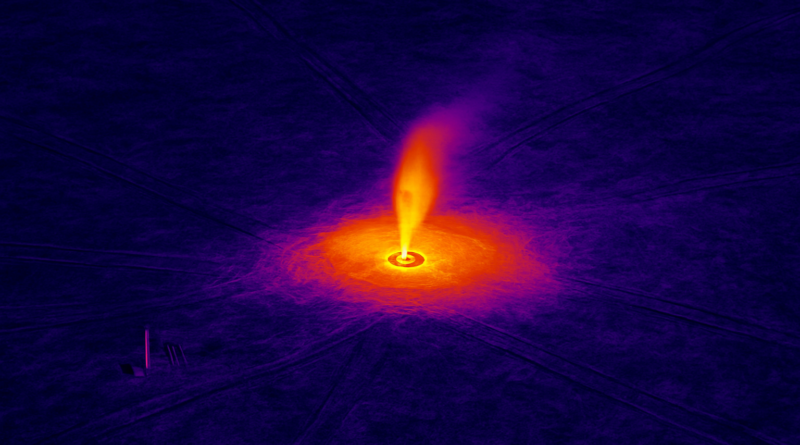
Methane, long overshadowed by carbon dioxide in global climate discussions, is finally receiving the attention it deserves. Recent research, including a just published critical global inventory, A global inventory of methane emissions from abandoned oiland gas wells and possible mitigation pathways by Lei et al., highlights methane emissions from the … [continued]

Methane-Emitting Livestock Burps & Farts Need To Be Taxed In The US

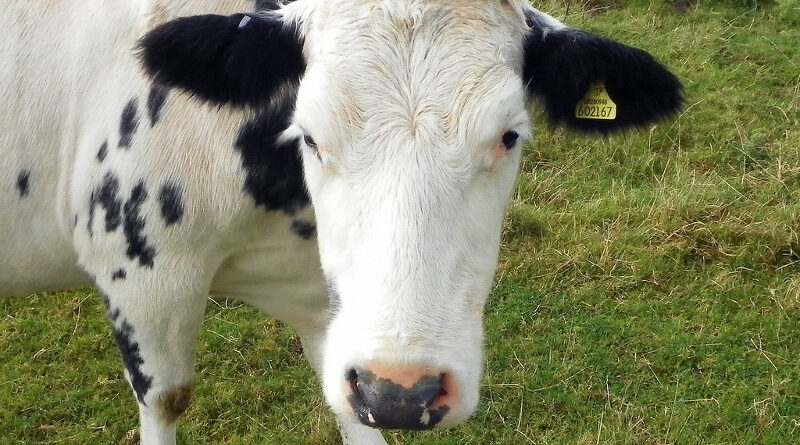
Burps and farts. They’re the fodder of fun prepubescent comedy. When the burps and farts come from livestock, though, they generate significant amounts of methane, a greenhouse gas that is 25 times more potent than carbon dioxide in warming the planet. In fact, animal agriculture produces more greenhouse gas emissions … [continued]