Smart Grid

From Beacon to Amber, Flywheels Missed the Grid

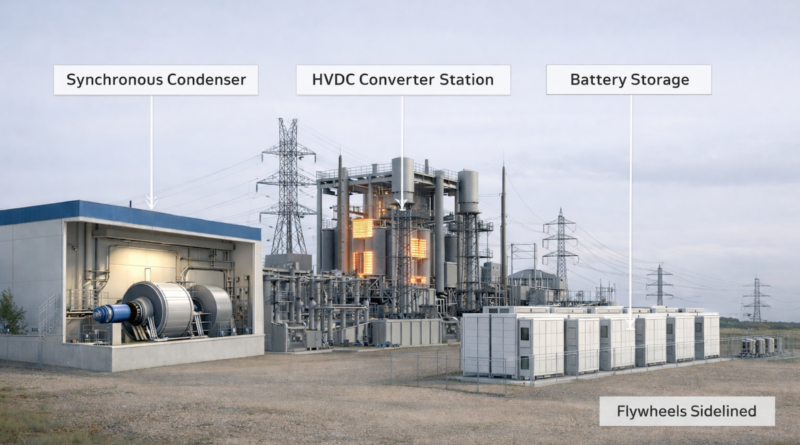
Amber Kinetics crossing my screen today was a reminder that electricity markets are littered with technologies that never quite die. Flywheels are one of those ideas. They are mechanically elegant, grounded in physics everyone understands, and they solve a real problem in principle. Store energy in a spinning mass, pull … [continued]

Beyond Generation: The Grid Innovations Hawaiʻi Needs Next

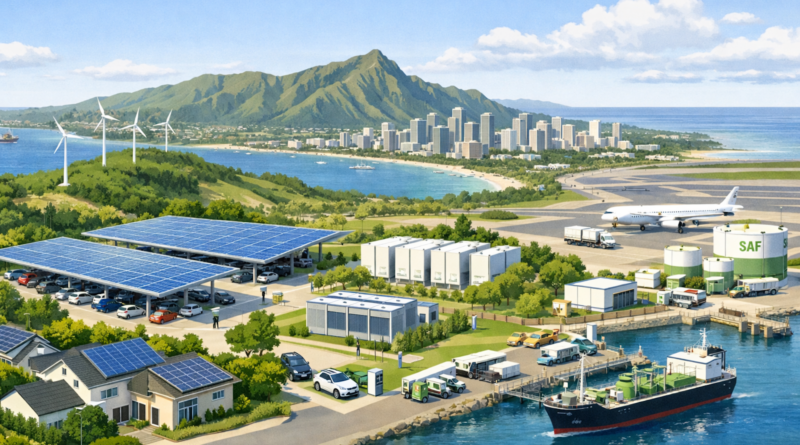
Naturally, just when Hawaiʻi’s decarbonization pathway starts to look complete, another chapter occurs to me. After the generation mix, the island-by-island resource story, the transport implications, and the logic of electrification, what remains is the part of the energy transition that fossil systems used to provide almost by accident. Hawaiʻi … [continued]

Oʻahu 2050: A Hard-Charging Roadmap to a Zero-Carbon Energy System

What follows is a draft roadmap for a decarbonized O’ahu. This roadmap does not appear out of nowhere. It follows a long chain of analysis that rebuilt Oʻahu’s energy system piece by piece. Earlier articles stripped away overseas aviation fuel, international maritime bunkering, and military demand to isolate the island’s … [continued]

Buffering Batteries: The Grid Enhancing Technology No One Calls A GET

Buffering batteries placed near transmission constraints are rarely listed among grid enhancing technologies. The usual list includes advanced conductors, dynamic line rating, and power flow control devices. All of those technologies increase the instantaneous capacity of transmission lines. Batteries do not do that. A battery cannot turn a 500 MW … [continued]

Unlocking Existing Grid Capacity With Dynamic Line Rating

Dynamic line rating can produce large savings in some parts of the electricity system. In other cases it reveals that operators had been overestimating how much cooling transmission lines receive from the surrounding air. Both outcomes matter. Dynamic line rating replaces assumptions with measurements and forecasts about what transmission lines … [continued]

Demand Shifting in Hawaiʻi: The Other Half of the Energy Transition

The series examining Oʻahu’s energy transition has followed a consistent structure. It began by defining the island’s fully electrified energy system and stripping away energy uses that do not serve the civilian economy. Aviation fuel for flights leaving Hawaiʻi, maritime bunkering for ships crossing the Pacific, and military energy consumption … [continued]

Steering Electricity: How Grid Control Devices Unlock Transmission Capacity

I’m preparing to speak to engineers at GE Vernova during Engineering Week at the request of Cornelis Plet, CTO of GE Vernova Grid Systems Integration. It is a useful moment to step back and look at a class of technologies that rarely make headlines but quietly shape how modern power … [continued]

Transforming EVs & Charging Stations into Virtual Power Plants

Nearly a decade ago, I gave a presentation at EVBox’s rEVolution conference in Amsterdam. One of the other presenters at the even was the head of The Mobility House, founder and then-CEO Thomas Raffeiner. The company’s focus: vehicle-to-grid technology. It was clear he and The Mobility House had been working … [continued]

A New Billing Architecture To Transform EV Charging Economics

TL;DR — Public charging is expensive and messy because the business model is wrong. Instead of selling electricity, charging operators should just provide infrastructure — and utilities should bill drivers directly at their home rate. A single API can make this happen and unlock the kind of seamless experience Tesla … [continued]