Boats

Electric Hydrofoils Save Energy, But Do They Earn Their Price?

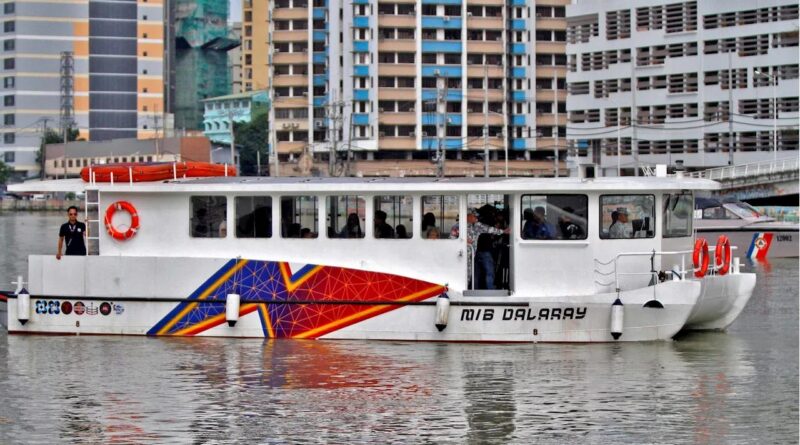
Hydrofoils have an obvious appeal. Lift a boat’s hull clear of the water, reduce drag and move passengers faster while consuming less energy. I’ve written before about the proposed electric hydrofoil ferry between Vancouver, Bowen Island and Gibsons, where floating logs, coastal conditions and uncertain passenger demand make the economics … [continued]

The EU Is Showing How Regional Maritime Rules Can Support A Global Framework At The…

Carbon pricing in a global context In April 2025, governments at the International Maritime Organization (IMO) agreed on a historic global regulation, the Net-Zero Framework (NZF). It was designed to set global shipping on a course to net-zero by 2050 in a just and equitable way. Global shipping is responsible … [continued]

Reinforcing the ETS SMAP to Guarantee Long-term Shipping Decarbonisation

The SMAP mechanism introduced under the ETS represents an opportunity to help the maritime sector to transition towards clean fuels and propulsion technologies, and strengthen Europe’s industrial leadership. With an estimated support of €15 billion between 2028 and 2040, such a mechanism could encourage shipping companies to use green e-fuels, … [continued]

Op-Ed: Upcoming Philippine Electric Vehicle Summit is an Audit of National Policy

Summit serves as an operational audit of EV progress in the Philippines MANILA, Philippines — When the 14th Philippine Electric Vehicle Summit (PEVS) opens its doors this October, the exhibition floor will look, to casual visitors, like a conventional automotive trade fair. Bright spotlights will bounce off polished sheet metal, … [continued]

Taiga Launches OS-5 Software, Bringing Industry-First Geofencing Its Electric Fleet

MONTREAL, Canada — Taiga, a pioneering manufacturer of electric off-road vehicles and watercraft, today announced a major update to its vehicle operating system. The new software introduces a suite of advanced features, including inbuilt mapping and industry-first geofencing technology designed to radically improve rider safety and how vehicles access waterways … [continued]

DNV’s 2050 Fuel Forecast Leaves Out Electrification

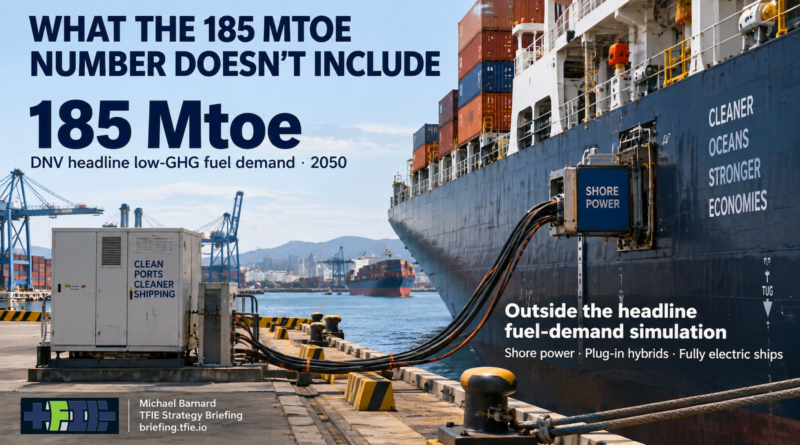
DNV’s new Maritime Forecast to 2050 puts a very large number on shipping’s future demand for low-carbon molecules. In its strongest global-regulation scenario, internationally operating ships above 400 gross tonnes require about 185 million tonnes of oil equivalent of low-GHG fuel in 2050, roughly 7.7 to 7.8 exajoules. That implies … [continued]

Most EU Ships Are Being Scrapped in South Asia Despite Sufficient Domestic Recycling Capacity, Confirms…

Only 5% of EU ships’ tonnage was dismantled in Europe despite the capacity to recycle much more. Vast majority of end-of-life ships are sent for beaching in India, Pakistan, and Bangladesh under poor environmental and safety standards. The vast majority of EU-owned or EU-flagged ships are being scrapped under poor … [continued]