Electrofuels Are Slipping Through The Trump Chopper
Electrofuel systems can deploy green hydrogen and captured carbon to produce synthetic aviation fuel for aircraft, potentially scaling up more quickly than bio-based alternatives.
Electrofuel systems can deploy green hydrogen and captured carbon to produce synthetic aviation fuel, potentially scaling up more quickly than bio-based SAF alternatives (cropped, courtesy of US DOE).
Electrofuel systems can deploy green hydrogen and captured carbon to produce synthetic aviation fuel for aircraft, potentially scaling up more quickly than bio-based alternatives.
E-SAF can play a key role in reducing European aviation emissions. While the climate benefits of e-SAF are well understood, much less attention has been paid to what scaling up European production could mean for Europe’s economic growth, jobs and energy security. Currently, the EU relies on imports for more … [continued]
The newly published white paper began with a question that persisted because of how clearly island systems expose the realities of energy. Can Hawaiʻi, an isolated archipelago with no continental grid behind it and a long dependence on imported fuels, build an energy system that is cleaner, more resilient, more … [continued]
What follows is a draft roadmap for a decarbonized O’ahu. This roadmap does not appear out of nowhere. It follows a long chain of analysis that rebuilt Oʻahu’s energy system piece by piece. Earlier articles stripped away overseas aviation fuel, international maritime bunkering, and military demand to isolate the island’s … [continued]
Chatgpt generated: Sustainable aviation fuel storage and fueling at Honolulu Airport for long-haul flights.
The final piece of Hawaiʻi’s decarbonization puzzle is not on Oʻahu’s domestic grid. That part of the work is already largely bounded. In the earlier articles in this series, I stripped out overseas aviation fuel, ocean-crossing ship bunkering, and military energy use, then electrified ground transportation, local marine transport, buildings, … [continued]
Some of Europe’s biggest airlines are playing with the future source of our energy security. The first to show its hand was Lufthansa. Last week the airline publicly criticised one of the few European policies aimed at decarbonising aviation: the targets for replacing kerosene with Sustainable Aviation Fuels (SAFs). We have seen … [continued]
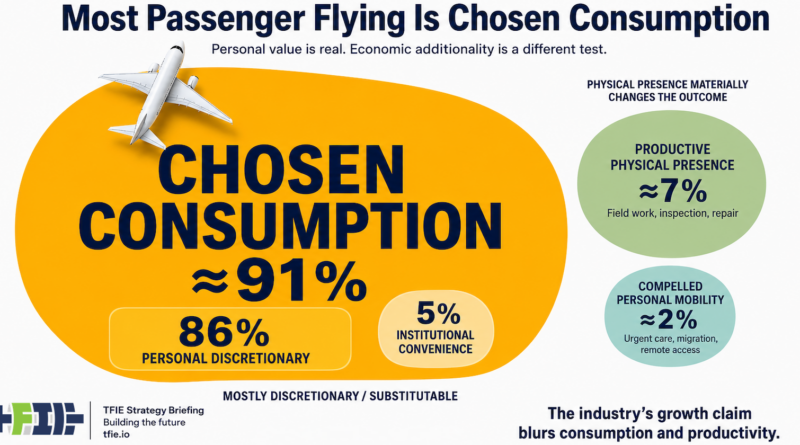
Electric vehicles with mind boggling ranges and charging times. AI tools that defy imagination. The never ending progress of mobile phones. Many high sectors are redefining the boundaries of technology. But there’s one sector that is quietly delaying its future. Aviation is one of the pinnacles of engineering. In the … [continued]
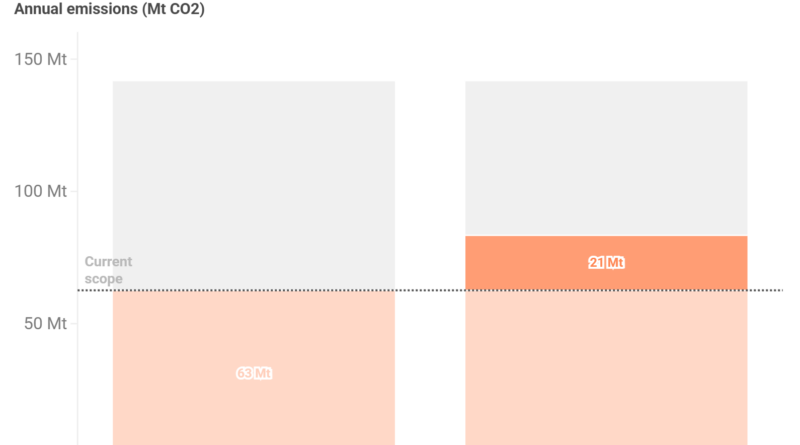
Scope extension, revenue generation and the use of SAF and contrail allowances under the EU ETS. The revision of the EU Emissions Trading System (ETS) in July 2026 represents a unique opportunity for European aviation. In order to meet the temperature targets set out in the Paris Agreement and ensure … [continued]
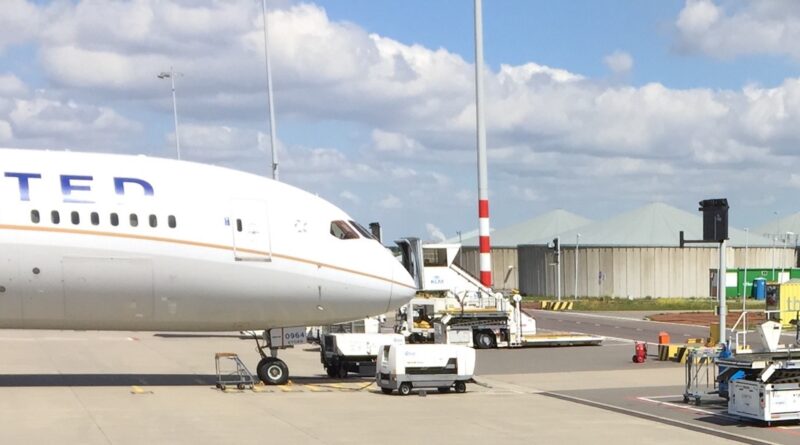
South African and Northwest Airlines 747s. Johannesburg, South Africa and NYC. May 29, 2000. Photo by Fritz Hasler.
When my father left Utah to go as a Mormon missionary to Austria in 1927, he traveled from Utah County, Utah, by coal-burning steam train in 2 or 3 days to Chicago. There he boarded a Great Lakes steamer traveling through Lake Michigan, Lake Huron, Lake Erie, and Lake Ontario, … [continued]
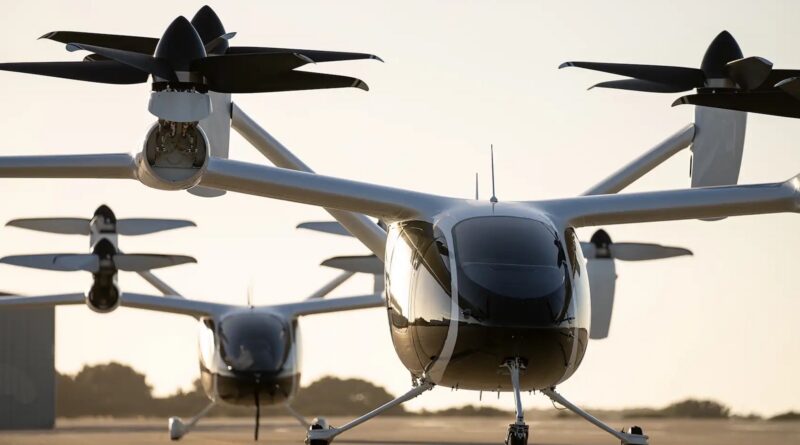
Chatgpt generated illustration showing the tension between certification cost curves and urban air mobility scale.
The question around electric vertical takeoff and landing (eVTOL) aka Jetsons air taxi certification has shifted. It is no longer about whether regulators will create a pathway. Both the FAA and EASA have done that work. The FAA finalized powered lift operational rules in 2024 and published Advisory Circular 21.17-4 … [continued]