
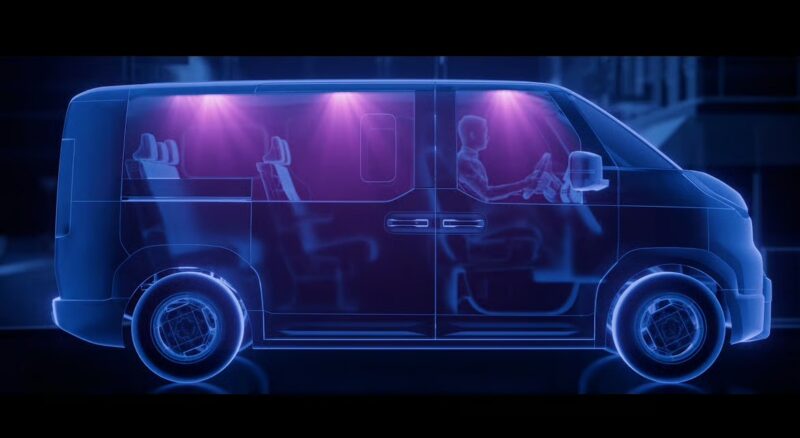
Hyundai & Kia Unveil World’s 1st In-Vehicle “Plasma Care UVC” Sanitization Technology
Support CleanTechnica's work through a Substack subscription or on Stripe.
- Hyundai Motor and Kia introduce a first-of-its-kind ‘Plasma Care UVC’ technology, utilizing Far-UVC light for in-vehicle sanitization
- The advanced system helps reduce bacteria and odor-causing microorganisms in the cabin, even while passengers are present
- Engineers developed a compact plasma-based system with optimized durability and controlled wavelength emission, enabling seamless in-vehicle integration
- Comprehensive testing across component and real-vehicle environments verified performance, while a new video highlights its potential in future mobility applications
Hyundai Motor Company and Kia Corporation today unveiled ‘Plasma Care UVC,’ the world’s first in-vehicle sanitization technology that uses a plasma lamp to sanitize the vehicle cabin environment and reduce odors, even while passengers are present.
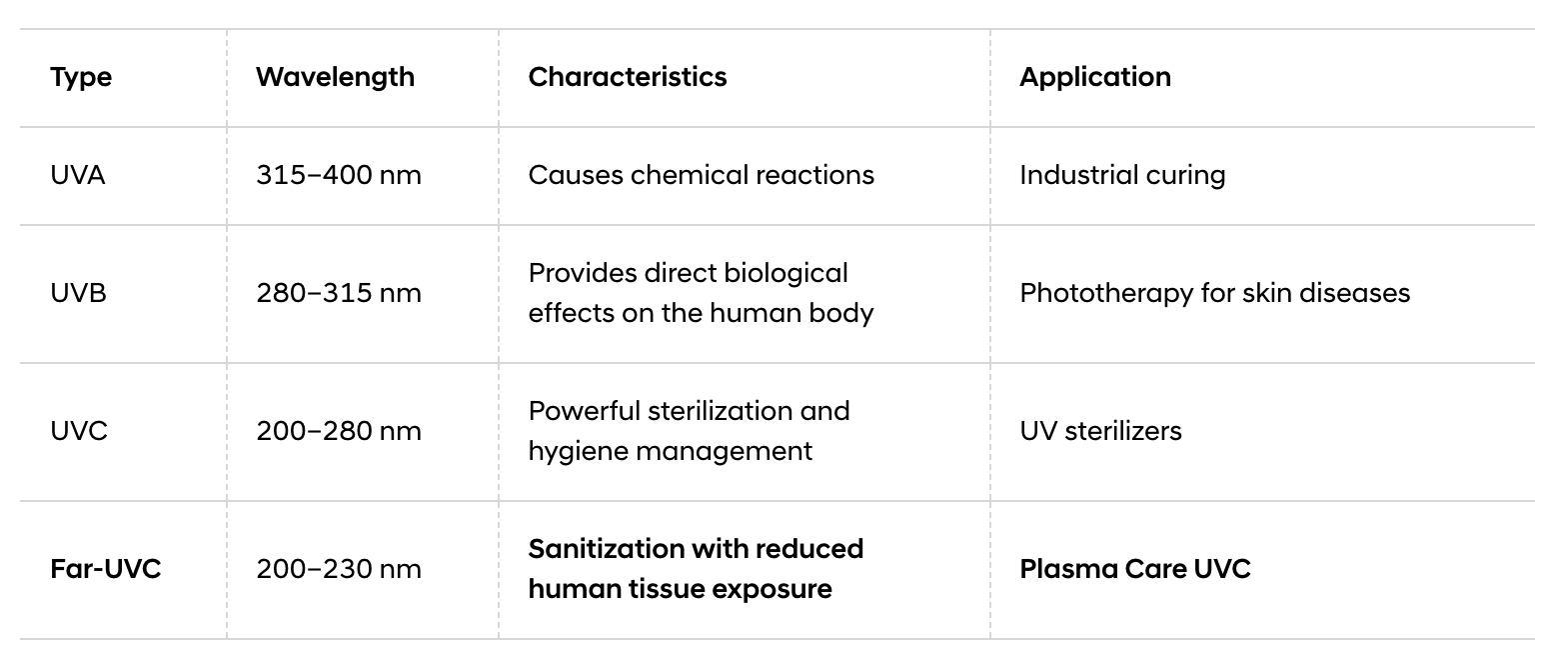
Unlike conventional ultraviolet sterilization, which can pose risks to the skin and eyes upon direct exposure, Hyundai Motor and Kia’s newly developed Plasma Care UVC utilizes far-ultraviolet C (Far-UVC) light in the 200–230 nanometer (nm) range. This specific wavelength delivers high energy for an effective sanitizing effect, while its limited penetration depth is designed to remain on the outer keratin layer of human skin without reaching deeper layers. In contrast, bacteria and viruses lack this protective barrier, allowing Far-UVC light to penetrate and destroy their DNA.
By effectively targeting bacteria and microorganisms, Plasma Care UVC also helps remove odor-causing substances produced during their proliferation, creating a more pleasant cabin environment.
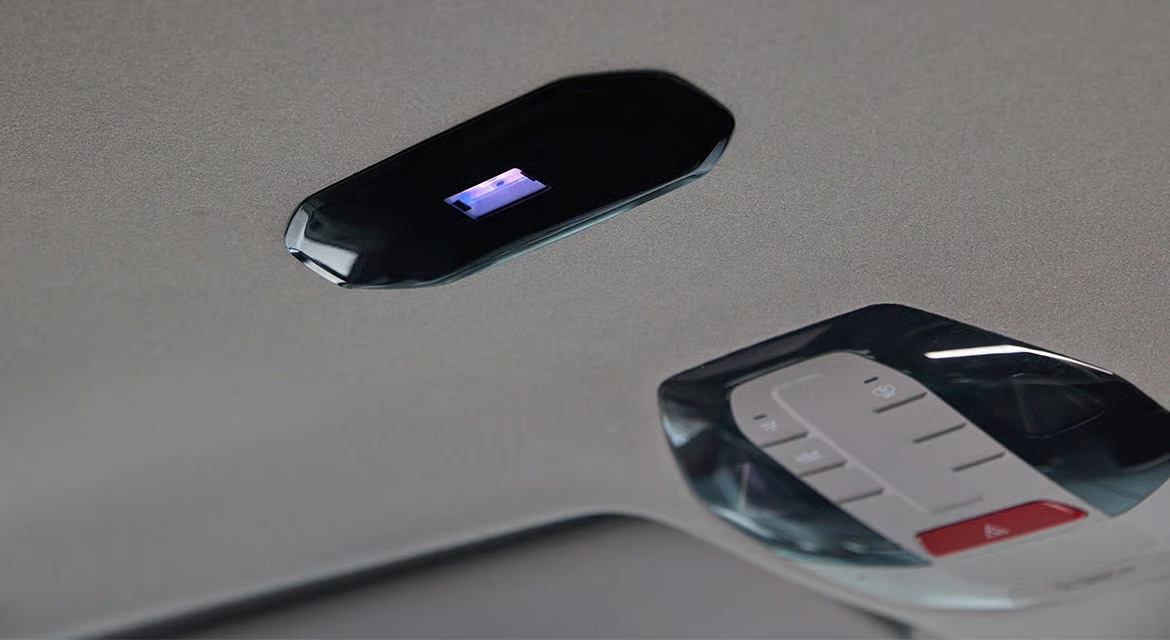
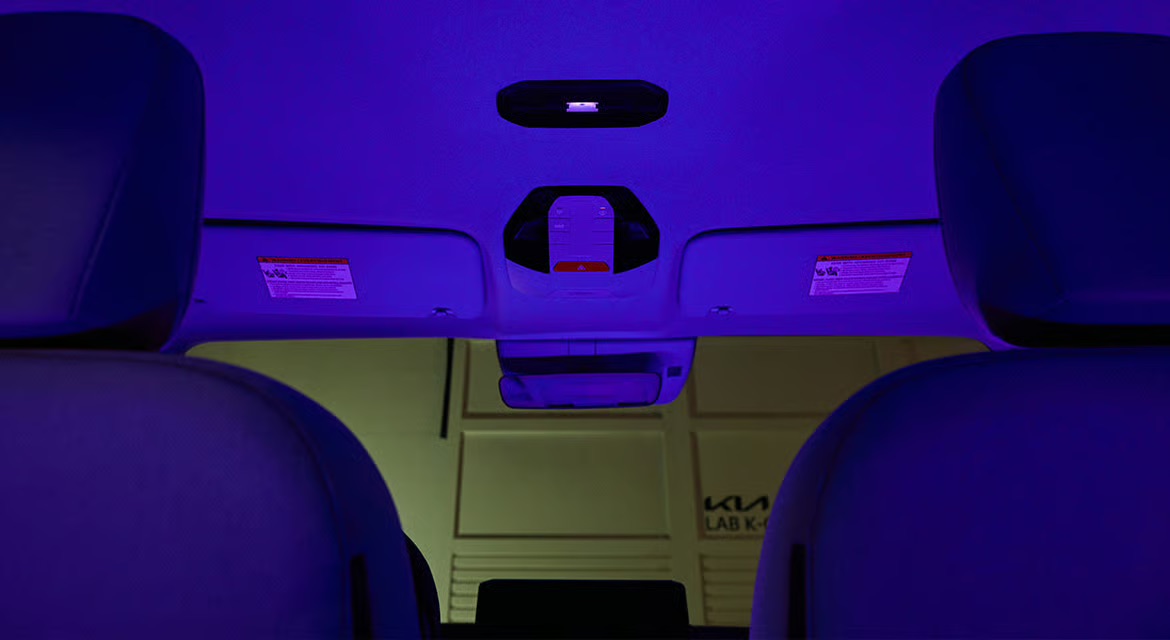
How Was Far-UVC Adapted for the Automotive Environment?
Hyundai Motor and Kia successfully adapted Far-UVC technology for use in vehicle cabin environments by developing a compact, durable system powered by a specialized plasma lamp and reinforced with advanced safety controls.
While conventional UVC (255–280 nm) is restricted to enclosed spaces—such as toothbrush sterilizers and vehicle glove boxes—because direct human exposure to this wavelength can be harmful, Far-UVC (200–230 nm) is designed for use in occupied environments such as hospitals and schools. However, applying Far-UVC to open vehicle cabin spaces required addressing several key challenges:
- Confined cabin space compared to typical room environments
- High concentrations of electronic components
- Close proximity to passengers
To overcome these challenges, Hyundai Motor and Kia implemented the following solutions:
- Plasma-based Light Source: Adopted a plasma lamp to generate Far-UVC (200–230 nm) wavelengths, which are difficult to achieve with conventional LED technology, developed with consideration for occupied-cabin environments, while supporting effective cabin treatment and sanitization
- Miniaturization and Power Efficiency: Optimized the system for in-vehicle use by reducing its size while improving power efficiency, compared to conventional systems designed for larger spaces such as hospitals and schools
- Durability Optimization: Ensured reliable operation under vibrations, temperature fluctuations, and demanding driving conditions
- Optical Safety Control: Applied a specialized optical filter to provide an additional layer of protection, intended to support the emission of only controlled Far-UVC wavelengths
How Was Plasma Care UVC Performance Verified?
To validate the technology’s efficacy, Hyundai Motor and Kia conducted various tests — from component to full-vehicle evaluations — in collaboration with certified testing bodies and specialized research institutions.
- Spatial Sanitization Evaluation: In an 8-cubic-meter chamber under controlled conditions simulating a vehicle cabin environment, tests by the Korea Testing Laboratory (KTL)1) confirmed a 96.8 percent reduction in airborne viruses within 30 minutes, demonstrating the system’s potential to enhance cabin-wide hygiene.
- Component-Level Evaluation: Joint research with Seoul National University’s Agriculture and Life Sciences Venture Center2) showed that, under the tested conditions, exposing pneumonia-causing bacteria to Far-UVC light through the Plasma Care UVC resulted in a 99.9 percent eradication rate after 30 seconds, with complete eradication after 60 seconds.
- Real-Vehicle Evaluation: In collaboration with the Korea Automotive Technology Institute (KATECH)3), the technology was applied to a Kia PV5. The test confirmed a 99.9 percent eradication of Escherichia coli (E. coli) after 40 minutes of irradiation under the tested conditions.
How Does Plasma Care UVC Demonstrate the Future of Mobility Hygiene?
To showcase the technology, Hyundai Motor and Kia released a video highlighting its features and diverse applications. The video demonstrates Plasma Care UVC in various mobility scenarios based on the Kia PV5 — including a children’s school shuttle and a fruit-selling vehicle — underscoring its potential for purpose-built vehicle (PBV) applications.
To introduce this first-of-its-kind technology in an open vehicle cabin environment, Hyundai Motor and Kia will continue conducting rigorous technical validation in line with international safety standards prior to implementation in production vehicles.
“Plasma Care UVC was developed for use in open vehicle cabin environments with passengers, moving beyond conventional sanitization methods that are limited to enclosed areas. We expect it to serve as a valuable cabin hygiene solution that delivers a more pleasant mobility experience across future mobility scenarios, including autonomous driving and purpose-built vehicles.” —Han Joo Jang, a Senior Research Engineer at MPV & Small Sized Vehicle Interior Engineering Design Team 2, Hyundai Motor and Kia
What Are the Classifications and Characteristics of Ultraviolet Light by Wavelength?
Sign up for CleanTechnica's Weekly Substack for Zach and Scott's in-depth analyses and high level summaries, sign up for our daily newsletter, and follow us on Google News!
Have a tip for CleanTechnica? Want to advertise? Want to suggest a guest for our CleanTech Talk podcast? Contact us here.
Sign up for our daily newsletter for 15 new cleantech stories a day. Or sign up for our weekly one on top stories of the week if daily is too frequent.


CleanTechnica uses affiliate links. See our policy here.
CleanTechnica's Comment Policy

