electric ferries

Big Ferries Are Becoming Battery-First Systems

Ferries are public infrastructure that happen to float. They are marine buses, freight bridges, medical access routes, school links, tourism arteries, repair crew shuttles, food supply chains, and island lifelines. When they fail, communities notice at once. When fuel costs rise, farepayers and taxpayers notice soon after. That is why … [continued]

Mea Culpa: Correcting The Ferry Battery Orderbook Still Leaves A Strong Electrification Story

For a few months now I have quoting a claim that 70% of ferries on order had batteries, based on reading the stat in what I considered a reliable site. After digging deeper into the orderbook and the denominator, I do not think that figure stands up, but the actual … [continued]

Fast Hydrofoils, Floating Logs, & Canada’s Ferry Electrification Challenge

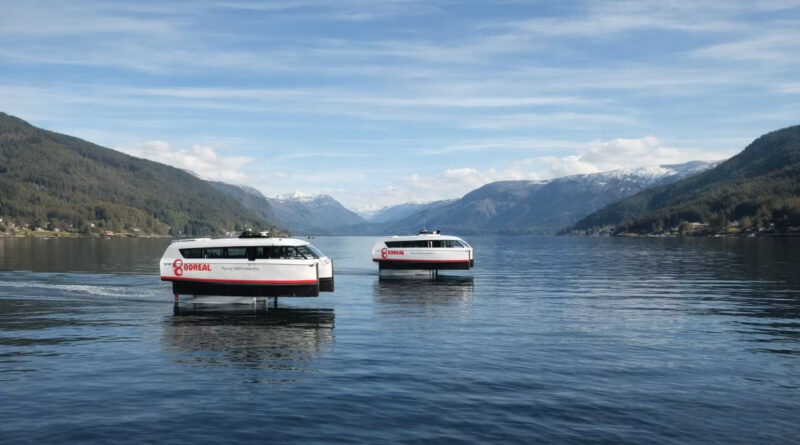
Vancouver’s recent support for an electric passenger hydrofoil to Bowen Island and Gibsons is an appealing hook because it compresses three different Canadian transportation stories into one image. It promises decarbonization, speed, and coastal reconnection in a single sleek vessel. It also invites a harder question. Is the future of … [continued]

The Baltic Whale Enters Battery-Electric Freight Service On The Fehmarn Belt

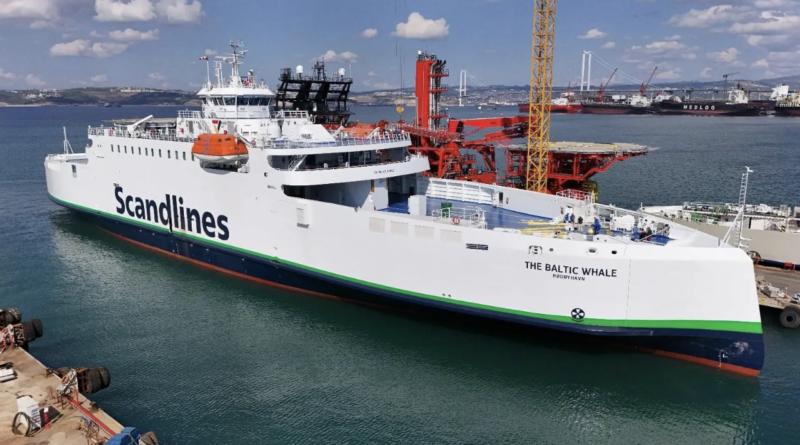
Scandlines has deployed a high-capacity battery-electric freight ferry on the Puttgarden–Rødby corridor, introducing scheduled service with zero direct emissions under normal operating conditions on the 18.5-kilometer Fehmarn Belt crossing. The Baltic Whale completed its first commercial rotation at 08:05 on March 10th, establishing a new operating profile for short-sea freight … [continued]

Scandlines Races To Fully Electrify Ferry Services As Fehmarn Tunnel Stalls

When Danish-German shipping company Scandlines officially launched Baltic Whale, a zero-direct-emission freight ferry, on March 10, it marked a decisive step forward for electrification in short-sea shipping. Industry coverage focused heavily on the vessel’s all-electric design and onboard technology. But the deeper story, according to CleanTechnica sources based in Gedser, … [continued]

Can Ship Design Stop Methane Emissions In Shallow Waters?

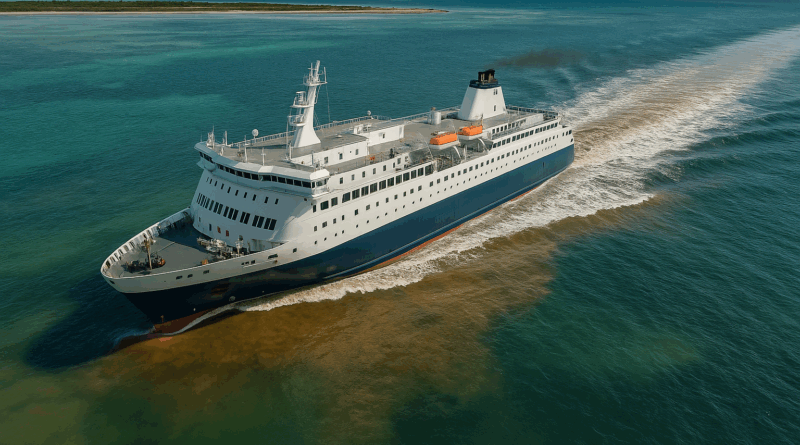
I was recently asked if reducing ship speeds is the only available solution to the methane emissions documented in a recent study from the journal Communications Earth & Environment. The research, focused on ship traffic in Neva Bay, Russia, revealed that vessels traveling faster than 12 knots with hull drafts … [continued]