New Bio-Inspired “Super Bricks” Sucks Up Carbon
A new, bio-inspired carbon negative replacement for concrete is working its way through the laboratory at Worcester Polytechnic University in Massachusetts.

 A new, bio-inspired carbon negative replacement for concrete is working its way through the laboratory at Worcester Polytechnic University in Massachusetts (courtesy of WPI).
A new, bio-inspired carbon negative replacement for concrete is working its way through the laboratory at Worcester Polytechnic University in Massachusetts.
We know that plants sequester carbon dioxide. The Amazon rainforest (what’s left of it), mangrove swamps, and sea grasses all remove carbon dioxide from the air. But a recent study by the Oceans 2050 Global Seaweed Project found that seaweed farming can also be an important source of carbon sequestration. … [continued]
 ChatGPT & DALL-E generated panoramic image of a cement plant with a large vacuum cleaner labeled "CCS" hovering over it
Carbon capture and sequestration may or may not work but the US taxpayers will foot the bill either way, starting in Texas.
Captured carbon can yield carbon nanofibers and green hydrogen, too, which could be a better solution than simply pushing it underground.
Elephants in Africa are emerging as expert carbon capture and sequestration engineers, without pipelines or pricey infrastructure.
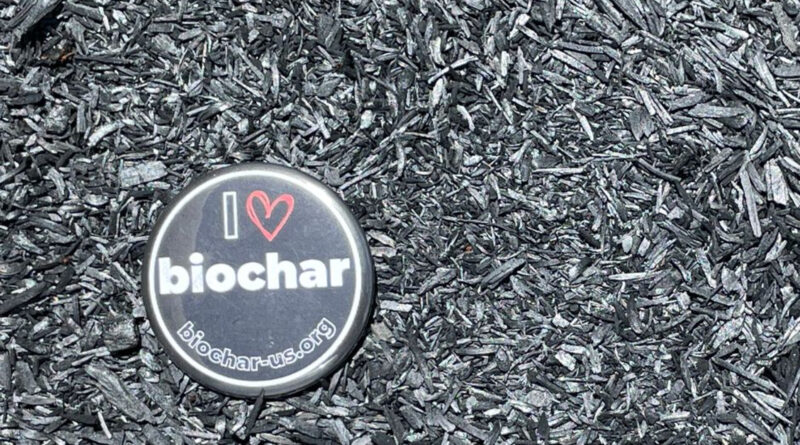
Biochar is often overlooked as a means of sequestering carbon, but it is effective and inexpensive compared to many techno-fixes.
 A new method for attacking blue-green algae blooms could pack a carbon sequestration punch in red and blue states alike.
A new method for attacking blue-green algae blooms could pack a carbon sequestration punch in red and blue states alike.
 Private investors, public funding, and agrivoltaics are all converging on regenerative agriculture like a thousand points of light (image courtesy of USDA).
Private investors, public funding, and agrivoltaics are all converging on regenerative agriculture like a thousand points of light.
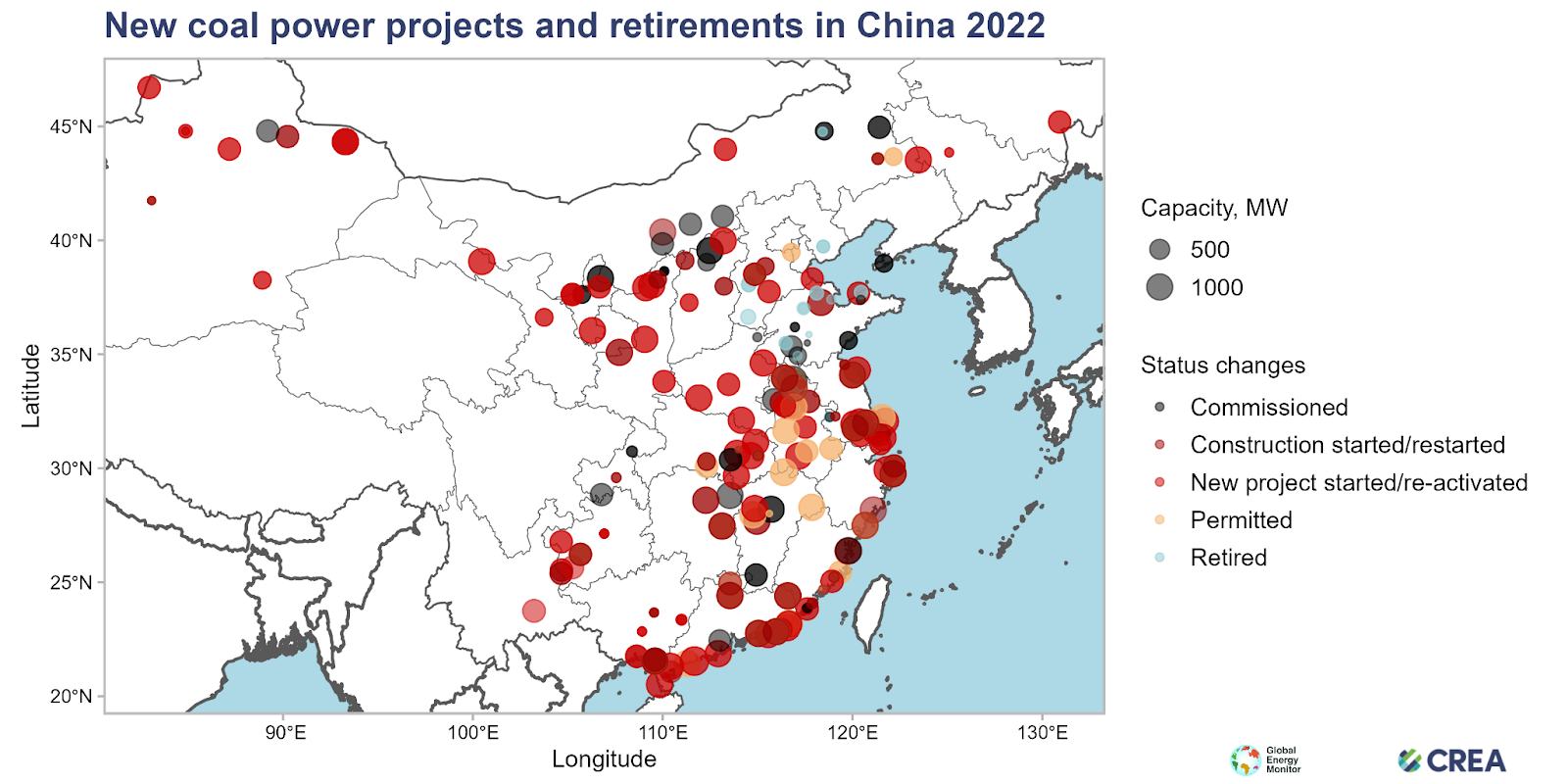
China is crowing about two new carbon capture projects while adding dozens more coal generating stations to its electrical grid.
 The ocean may offer potential carbon removal options, like seaweed cultivation, that could also have ecological benefits. Photo by the National Parks Service
Since the Industrial Revolution, humans have emitted more than 2,000 gigatons of carbon dioxide into the atmosphere. (A gigaton is one billion metric tons.) This concentration of CO2 and other greenhouse gases in the air causes the climate change impacts we’re experiencing today, from forest fires to stifling heat waves … [continued]