Zero Emission Fuel Cells Will Replace Kerosene In 15 Cessna Caravan Utility Planes
Hydrogen fuel cells will replace kerosene in 15 Cessna Caravan general purpose aircraft, to establish a zero emission transportation network in Norway.

 Hydrogen fuel cells will replace kerosene in 15 Cessna Caravan general purpose aircraft, to establish a zero emission transportation network in Norway (cropped, courtesy of ZeroAvia).
Hydrogen fuel cells will replace kerosene in 15 Cessna Caravan general purpose aircraft, to establish a zero emission transportation network in Norway.
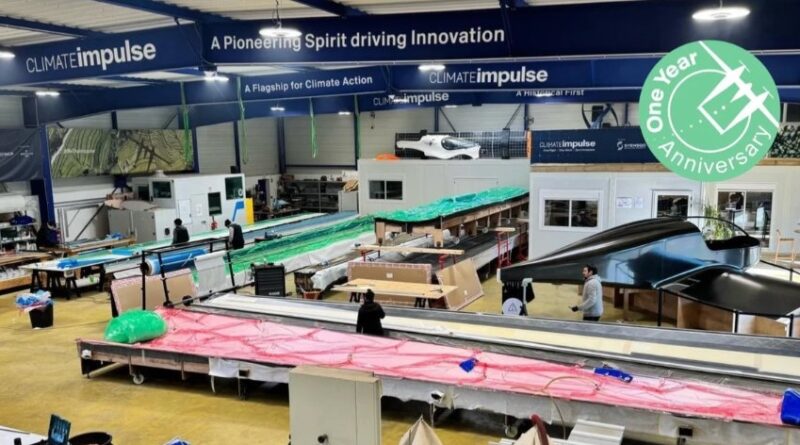
A new showcase for green hydrogen fuel cell flight is taking shape, towards the goal of a nine-day, nonstop, zero emission flight around the world in 2028.
 ChatGPT generated panoramic image of a narrow-bodied 200 pax passenger jet labeled H2 sitting in a field covered in dust, rust and pigeon droppings
Hydrogen’s hoped for role in aviation dates back to the mid-20th century, when researchers began exploring its potential as an alternative to conventional jet fuel. In 1957, engineers at Lockheed and Boeing investigated hydrogen propulsion as part of Cold War efforts to develop high-altitude, long-endurance aircraft. In 1959, a modified … [continued]
Leading global aviation stakeholders are pursuing green hydrogen and fuel cells to decarbonize air travel and shipping, in the EU and elsewhere.
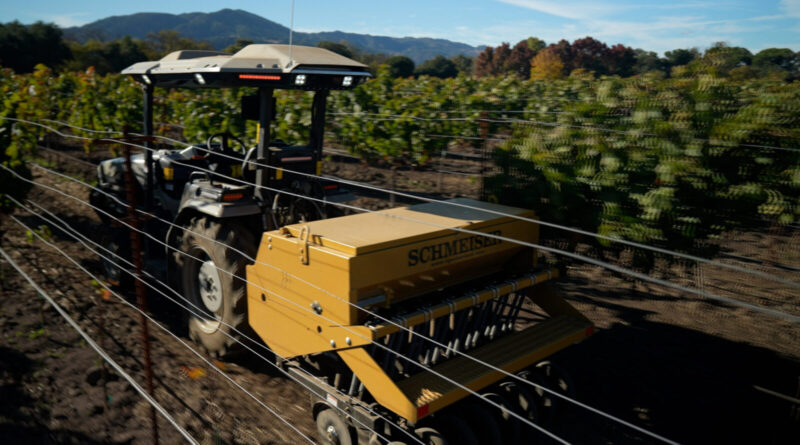
Great news for farms everywhere: we’re getting more electric tractors. Don’t hesitate to look into the California CORE Subsidy Program as well. With the CORE program, you can save up to $68,000+ on a 100% electric Monarch MK-V Tractor! That price is comparable to a 40HP compact diesel tractor. Also, … [continued]
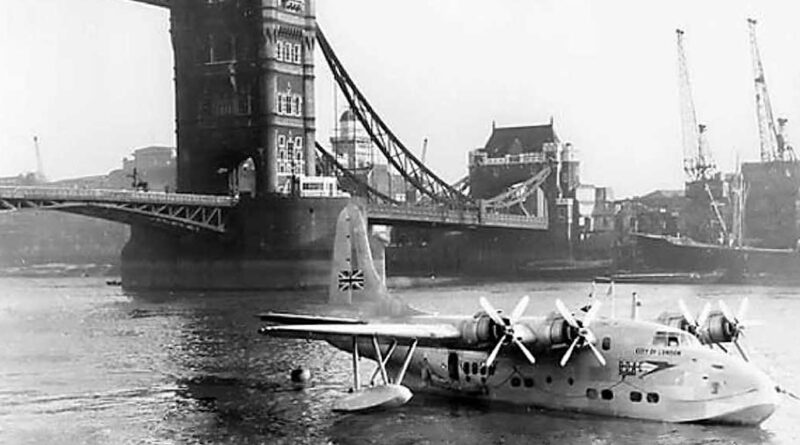 The glory days of fabulous amphibious aircraft are coming back, now with zero emission hydrogen fuel cells. Image courtesy of Jetka.
The glory days of fabulous amphibious aircraft are coming back, now with zero emission hydrogen fuel cells.
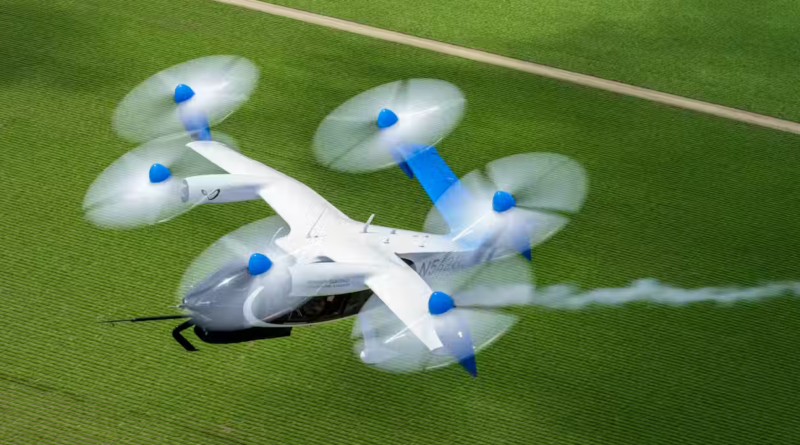 A hydrogen fuel cell eVOTL demonstrator from the US firm Joby has achieved a flight of more that 500 miles, emitting only water vapor and no greenhouse gases.
A hydrogen fuel cell eVOTL demonstrator from the US firm Joby has achieved a flight of more that 500 miles, emitting only water vapor and no greenhouse gases.
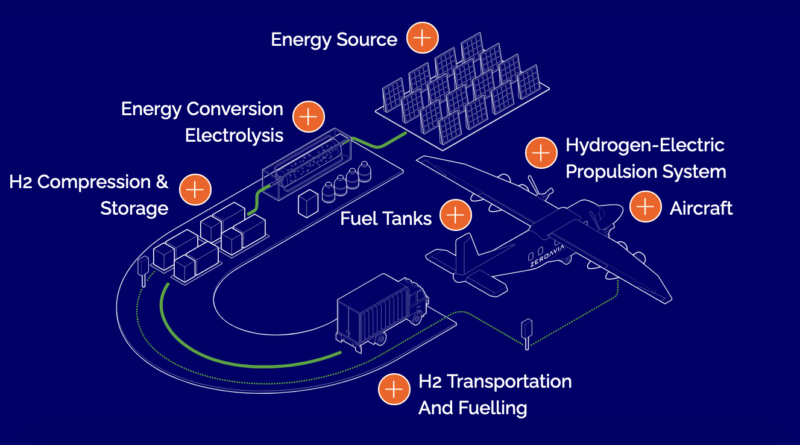 Plans for hydrogen infrastructure are being hatched at European airports to support fuel cell electric aircraft.
Plans for hydrogen infrastructure are being hatched at European airports to support fuel cell electric aircraft.
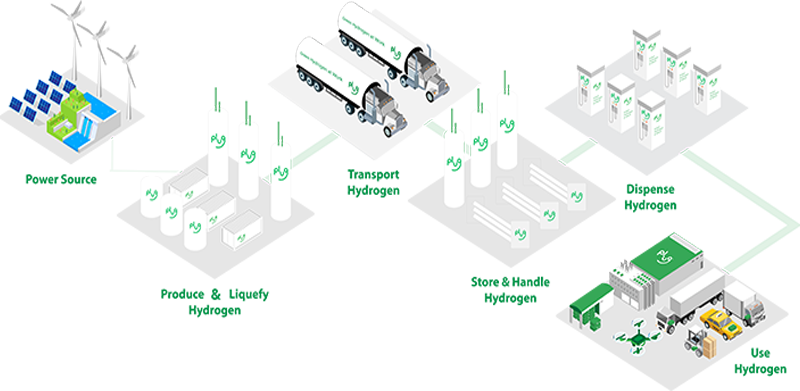
Everybody is suddenly talking about liquid green hydrogen, not just any old hydrogen, and that could help explain a potential pause in approvals for new LNG terminals in the US.
The US firm ZeroAvia is one step closer to bringing its zero emission electric aircraft to market, powered by hydrogen fuel cells.