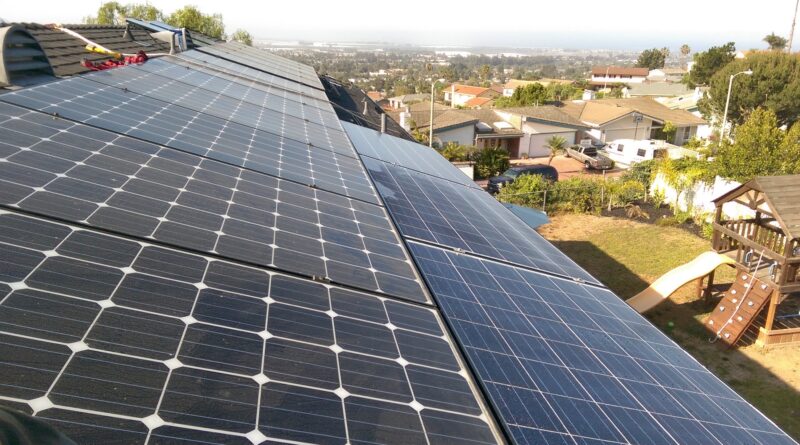
Rooftop Solar

Philippine Pension Fund for Gov’t Retirees Powers Solar Rooftops

A new loan program from the Government Service Insurance System (GSIS) is positioning rooftop solar not just as a cost-saving option, but as a mainstream financing category for Filipino households. The state-run pension fund has earmarked ₱12.5 billion ($223 million) for the Ginhawa Solar Energy Loan (GSEL), allowing members to … [continued]
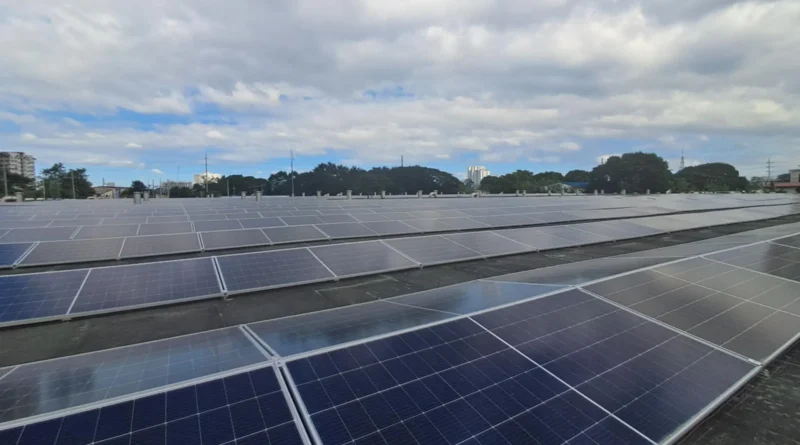

“Guerilla” Solar Installations Discovered, Need To Be Controlled, Says Philippine Power Distributor

Manila Electric Company, commonly known as Meralco, is the largest private electric distribution utility in the Philippines, serving Metro Manila and surrounding provinces with a franchise area that covers more than seven million customers. Its role is comparable to a regulated distribution utility in the United States, responsible for delivering … [continued]

3rd US State Allows Plug & Play Solar Power

There’s no doubt about it — solar power has already revolutionized the electricity industry. Solar power accounts for the majority of new power capacity around the world and around the US. That said, there are still significant barriers to residential solar adoption, and we are nowhere close to 50% of … [continued]

Governor Spanberger Delivers on Energy Affordability, Blazing a Path for State Leaders Nationwide

RICHMOND, Virginia — Yesterday Governor Abigail Spanberger signed a slate of energy bills that will help lower Virginians’ electricity bills, strengthen grid reliability, and boost the local economy by increasing solar and storage deployment in the Commonwealth. Following is a statement from Darren Van’t Hof, Interim President and CEO of the Solar Energy … [continued]

Balcony Solar Is Spreading Across The US

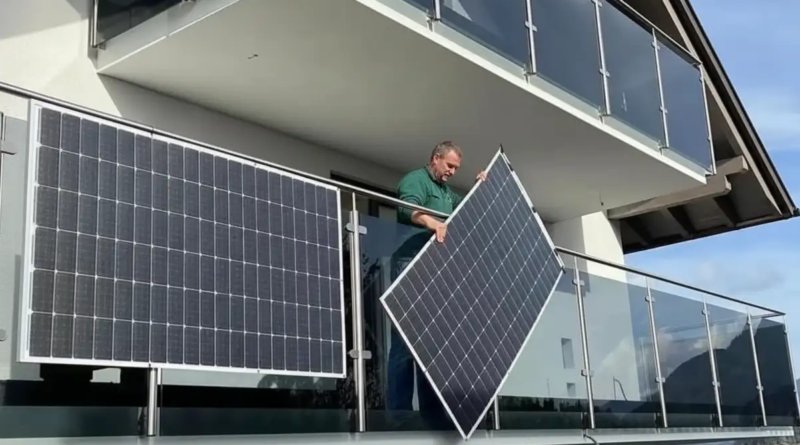
The balcony solar movement has reached the US, as Trump’s war in Iraq sends ratepayers scrambling to after clean, local, affordable power.

LNG Need Not Apply: The Math of Oʻahu’s Clean Energy Future

The debate over LNG in Hawaiʻi persists because it sounds like a practical answer to a familiar problem. Oʻahu still relies heavily on imported fuel for electricity, so a different imported fuel can appear to be a reasonable bridge. LNG is marketed as dispatchable, cleaner than oil, and compatible with … [continued]