Research

Europe Needs Electric Freight Corridors, Not Just Electric Ships

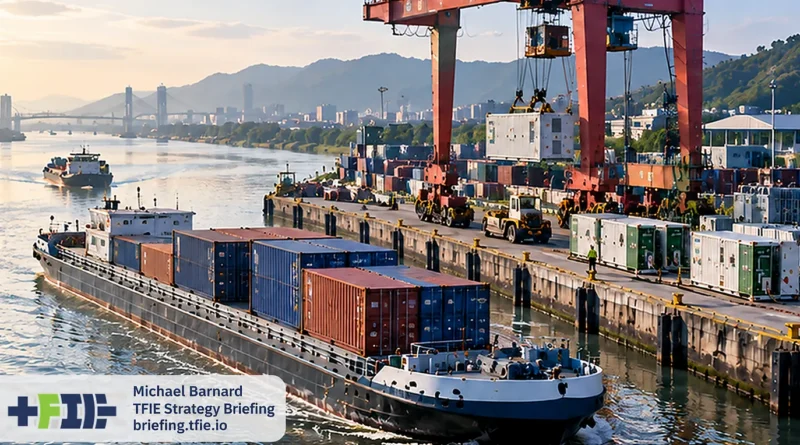
Electric ships attract attention because the vessel is the visible technology. Put a large battery into an inland cargo vessel, replace the diesel propulsion system with electric motors, and the decarbonization story appears straightforward. Inland shipping looks particularly promising because many vessels travel repeatable routes between known terminals, where large … [continued]

Farming’s Nitrogen Future Will Be Built From Several Technologies, Not One

Modern farming depends heavily on nitrogen fertilizer because crops need nitrogen to build proteins, chlorophyll and ultimately yield, yet most major crops cannot directly use the nitrogen gas that makes up most of the atmosphere. Farmers have to buy nitrogen in forms plants can use, generally through ammonia, urea and … [continued]

Insurance Industry Is Throwing Its Customers Under The Bus

For years,  I have been writing that the insurance industry will strongly influence the climate change debate, because its mission it to identify risks and price its policies accordingly. You can’t build a new 80 story tower stuffed with luxury condominiums on the edge of an ocean if you can’t … [continued]

Bus Electrification Turns Governance Into Infrastructure

Britain’s bus reforms are usually discussed as a privatization story. Outside London, the 1980s reforms deregulated local bus markets and gave commercial operators far more freedom over routes and timetables. London kept public control of the passenger network while private companies competed to operate specified services. Edinburgh, Dublin and more … [continued]

Europe Should Learn From South Korea’s Hydrogen Station Failure

Europe is building a hydrogen-refuelling network before there is a large hydrogen-truck market to support it. Under the Alternative Fuels Infrastructure Regulation, hydrogen stations are supposed to be available along major motorway corridors at intervals of no more than 200 kilometres by 2030, with additional coverage at designated urban nodes. … [continued]

Glasgow’s Buses Reveal Britain’s Transit Experiment

Walk around Glasgow as I did this summer and the bus companies are hard to miss. First Glasgow, McGill’s, Stagecoach and other operators have their own brands and vehicles, which can make the city look as though its public transport system has been divided among private companies. Being a bit … [continued]

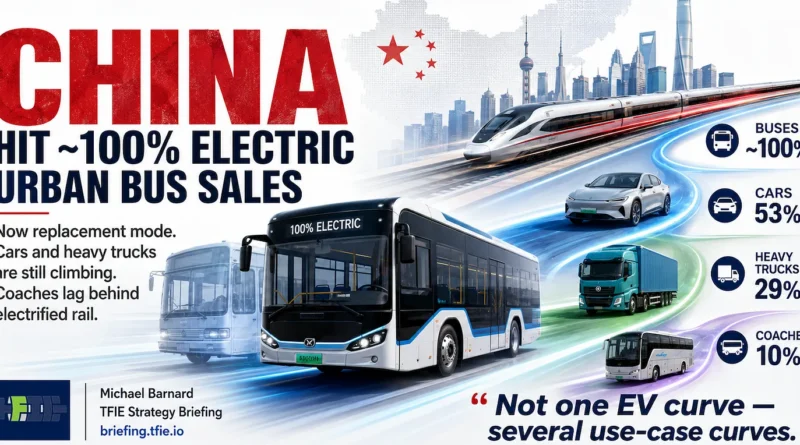
Bus Buyers Have Overwhelmingly Chosen Battery-Electric

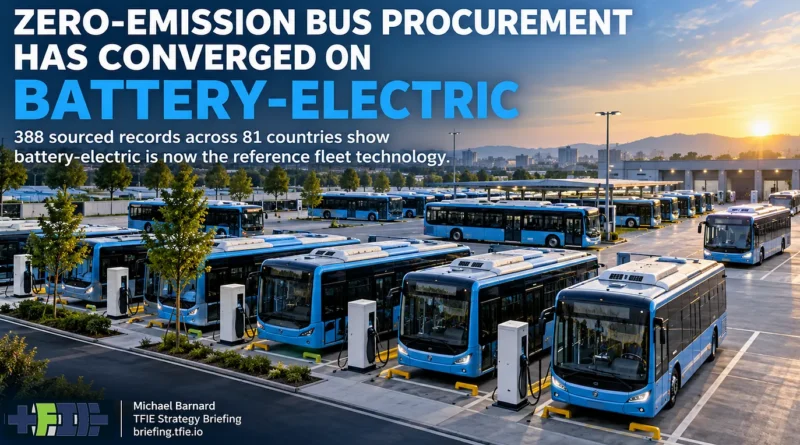
Zero-emission bus procurement has moved beyond the stage where battery-electric and hydrogen fuel-cell buses should be treated as two parallel technologies waiting for the market to decide between them. Transit agencies have now spent years operating both, rebuilding depots, installing charging and refuelling infrastructure, training technicians and discovering which assumptions … [continued]