Denmark Can Produce 140% Of Its Electricity Demand From Wind Power…So What Happens To The Extra 40%?
Support CleanTechnica's work through a Substack subscription, on Patreon, or on Stripe. Help us produce all of the high-quality, original content we publish week after week despite the challenges of content-scraping AI, antisocial media, inflation, and other hurdles.
US President Donald Trump has pursued a peevish personal vendetta against wind turbines here in the US, but nations elsewhere around the world are enjoying a bumper crop of clean kilowatts from the sky and turning it into export revenue. Take Denmark, for example. The country’s wind industry hit the 140% mark for wind power last Friday, meaning that wind power accounted for 100% of electricity demand in the country with plenty left over to sell abroad.
Denmark Is Swimming In Wind Power
To be clear, Denmark’s achievement is not quite as spectacular as it may seem at first glance. The wind-rich country hit the 140% mark at 3:00 AM last Friday, during a period when wind speeds were high and demand was low because practically everyone was in bed asleep.
Still, with regional demand sucking up the extra kilowatts, the Danish Energy Agency is spearheading an ambitious plan to produce even more wind power for both export and domestic use. The plan is to construct two new “energy islands” in the North and Baltic seas that will serve as wind power hubs, transmitting some electricity directly to coastal grids while reserving the rest for offshore activities including green hydrogen production (see more green hydrogen background here).
“Operating as green power plants at sea, the islands are expected to play a major role in the phasing-out of fossil fuel energy sources in Denmark and Europe,” DEA explains. If all goes according to plan, the two new hubs will manage wind power for the equivalent of 5 million households. The North Sea facility will become the hub of activity for 3-4 gigawatts of offshore wind power with a potential expansion to 10 gigawatts. The Baltic Sea facility will add another 3 gigawatts to the total.
The US Is Sitting On A Wind Power Gold Mine, Too
With its long, sprawling Atlantic and Pacific coasts, the US is also sitting on many gigawatts of offshore wind power. Except for Maine, the Atlantic states are characterized by relatively shallow coastal waters, creating a rich environment for traditional monopile wind turbine construction.
Maine is not out of the running, though. In-state researchers have been developing a deepwater floating offshore wind platform that can be tethered to the seabed by slim cables.
The deep waters of the Pacific coast have also been a proving ground for floating offshore turbines as well. In fact, floating turbine platforms initially developed here in the US have already gone to work overseas.
The Gulf of Mexico is ripe for the picking, too, despite less-than-optimal wind speeds among the Gulf states. Regardless of the current state of federal energy policy a new consortium of Gulf stakeholders is already laying plans to repurpose defunct offshore oil and gas rigs for renewable energy.
So, why not pursue wind power? The President himself declared an “energy emergency” in the US upon taking office last year, and offshore wind power should have been in the running as a solution. Back in 2021 the US Department of Energy estimated the nation’s potential offshore wind power at more than 35,000 megawatts, putting Denmark to shame.
Energy emergency or not (spoiler alert: not), upon taking office last year, the President ordered the Interior Department to stop issuing new offshore wind leases, which a federal judge later decided was within his authority. The same judge, though, joined others in shredding Trump’s serial use of emergency powers to delay or halt projects that were already in the pipeline. With those avenues closed off, Trump has taken the extraordinary, and legally questionable, step of buying out existing leases, preventing further development for the time being.
The Grudge
As for why Trump twisted himself into knots to stop offshore wind power, that’s a good question. Part of the answer goes to opportunity. As with Trump’s misbegotten tariff wars, offshore wind presents a handy platform for the display of executive authority. Unlike onshore wind and solar power, which can be developed on private and non-federal lands, the President wields virtually exclusive power over offshore site through the Bureau of Ocean Energy Management in the US Department of the Interior.
Political expediency is another key angle. In the early 2000’s, blue states began pursuing offshore wind resources, while red states opted out for the most part. As a result, any measures Trump takes against offshore wind fall disproportionately on states dominated by Democratic policy makers.
And then, there’s the grudge.
Trump is known to hold a grudge, and wind power is one example. Back in the early 2000’s Trump tried, and failed, to stop the construction of an offshore wind farm in Scotland within view of his golf course in Aberdeen. The failure has festered ever since.
Trump Actually Does Like Renewable Energy, Just Not Wind Turbines
Readers, if you have thoughts about that, drop a note on the discussion thread. Before you do, keep in mind that Trump’s own “American Energy Dominance” policy embraces geothermal energy, biomass, and hydropower along with nuclear energy. It excludes both wind and solar power on the basis of a reliability standard that calls for baseload electricity, regardless of the weather or time of day.
Interior Secretary Doug Burgum, for one, has been working the reliability standard to the point of claiming that solar power plants experience “catastrophic failure” every time the sun goes down, somehow forgetting that new energy storage technology is a thing that exists in space and time.
In that regard, Burgum might want to have a chat with Energy Secretary Chris Wright, whose agency has continued to support new energy storage technologies despite last year’s sharp U-turn in federal energy policy (here’s another example). While many storage systems can be applied to fossil fuel scenarios, wind and solar are the primary beneficiaries.
The Wacky Case Against Wind Power Gets Wackier
To Trump’s credit, at least the “American Energy Dominance” plan is on brand for him. The new policy dismisses the nation’s most abundant, economical, and rapidly accessible energy resources in favor of more expensive, slower-to-build alternatives that will cost ratepayers extra money.
Still, the law of unintended consequences has kicked in to upset the applecart. The 24/7 reliability standard has enabled some forms of renewable offshore energy to continue enjoying support from the Trump administration, namely, marine energy devices that harvest kinetic energy from waves, tides, and currents.
As with offshore wind, the nation’s marine energy resources are considerable. “The power coursing through oceans and rivers could meet nearly 60% of the United States’ total electricity needs,” the Energy Department insists.
“Even if only a small portion of the energy from these waterways is harvested, marine energy could still make significant contributions to the nation’s energy needs and provide millions of Americans with locally-sourced, reliable, and affordable energy,” the agency adds for emphasis.
If you’re wondering why the Energy Department is suddenly so enthusiastic about the nation’s marine energy resources, maybe. Maybe not. Evidently the agency updated or reposted a deluge of web pages last week, making information generated during previous administrations readily available to anyone who asks.
It’s not just words, though. Last year the Energy Department indicated support for marine energy, and last month the agency took a share in the celebratory opening of PacWave South, a major new wave energy test bed off the coast of Oregon.
Realistically, wave energy has years if not decades to go before it makes a significant contribution to the US energy profile, with supply chain and workforce elements yet to be developed. Meanwhile, wind power has the backing of a mature industry and…oh, never mind!
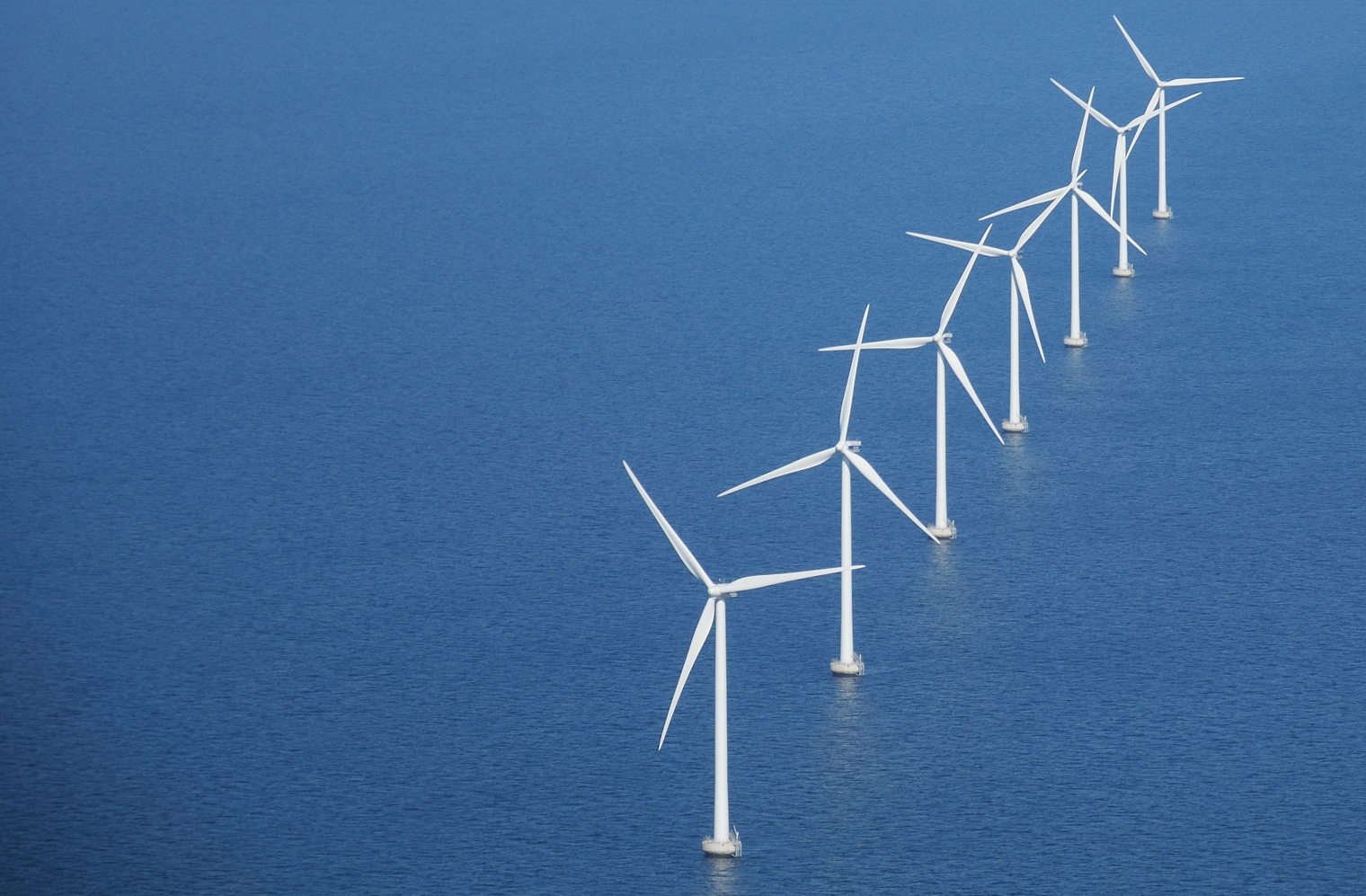
Photo: Denmark achieved a record-setting pace for wind power last week, reaching 140% of the nation’s entire electricity demand during an early-morning period (cropped, courtesy of Danish Energy Agency).
Sign up for CleanTechnica's Weekly Substack for Zach and Scott's in-depth analyses and high level summaries, sign up for our daily newsletter, and follow us on Google News!
Have a tip for CleanTechnica? Want to advertise? Want to suggest a guest for our CleanTech Talk podcast? Contact us here.
Sign up for our daily newsletter for 10–15 new cleantech stories a day. Or sign up for our weekly one on top stories of the week if daily is too frequent.


CleanTechnica uses affiliate links. See our policy here.
CleanTechnica's Comment Policy