
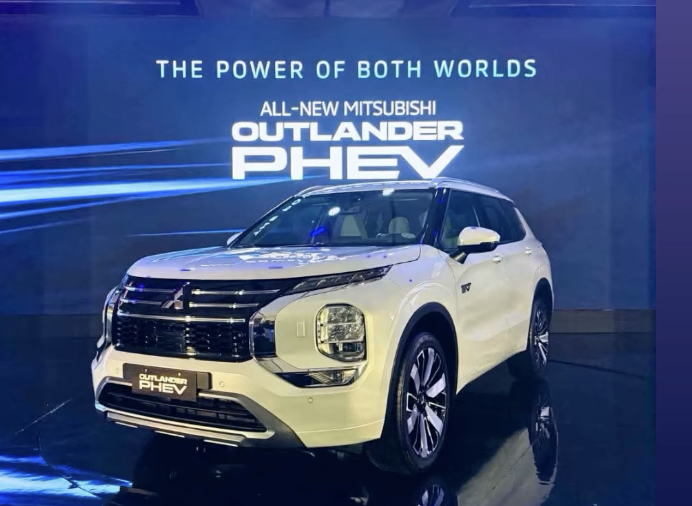
Mitsubishi Continues Bet on PHEV Muscle as Outlander Makes Philippine Return
Support CleanTechnica's work through a Substack subscription, on Patreon, or on Stripe. Help us produce all of the high-quality, original content we publish week after week despite the challenges of content-scraping AI, antisocial media, inflation, and other hurdles.
MANILA, Philippines — The last time Mitsubishi tried selling a plug-in hybrid SUV to Filipinos, almost nobody bought it.
That was September 2020. The country was in the thick of pandemic lockdowns, public charging stalls were nonexistent outside a handful of mall parking basements, and the third-generation Outlander PHEV was stuck behind the glass of a single pilot showroom along Manila Bay carrying an eye-watering sticker price of P2,998,000 (about $48,000). With no government tax breaks on the books, the pioneer quietly disappeared from local brochures without making a dent.
Six years later, Mitsubishi Motors Philippines Corporation is having another go at plug-in hybrid SUV power.
On Aug. 20, the carmaker rolled out the redesigned 2027 Outlander PHEV, choosing Manila as the staging ground for the vehicle’s first market release anywhere in Southeast Asia.
The playing field looks completely different this time. Republic Act 11697, the Electric Vehicle Industry Development Act, is now active law, shielding electrified cars from the weekday number-coding schemes while offering discounted registration and green plate privileges.
Yet the everyday reality of owning an electric vehicle in the archipelago has changed little once a driver leaves the capital. High-speed direct-current chargers still thin out dramatically once you clear the expressways of central Luzon, leaving provincial runs to the Ilocos coast, Bicol, or cross-island roll-on, roll-off ferries fraught with planning headaches.
That patchy infrastructure is precisely why Mitsubishi is doubling down on the plug-in hybrid formula instead of rushing a pure battery-electric model to local showrooms. The company is pitching the crossover to motorists who want to glide silently through weekday gridlock without burning expensive gasoline, but still want the freedom to drive up to Baguio or down to Matnog without scouting out a charging plug.
Imported directly from Japan as a completely built-up unit, the new Outlander lands in a single, fully loaded specification: the GT 2.4G all-wheel drive. MMPC set an introductory retail price of P2,749,000 (roughly $44,000) for buyers who reserve units through Sept. 30, after which the sticker climbs back to its standard suggested retail price of P2,848,000 (around $45,600). It is a rare case where the newer, significantly larger, and more powerful model costs roughly P150,000 less than the version that flopped six years ago.
Underneath the tall, chiseled front fascia, the Outlander rides on the Alliance CMF-CD platform shared with Nissan. Propulsion comes from a 2.4-liter naturally aspirated four-cylinder MIVEC engine paired with two high-output electric motors mounted on the front and rear axles. Together, the hardware puts out 306 metric horsepower and 450 Newton-meters of torque.
Juice comes from a 22.7-kilowatt-hour lithium-ion battery pack slung under the floorboards, roughly double the capacity of its predecessor. Mitsubishi claims the setup delivers up to 100 kilometers of pure electric range on a full charge. For typical suburban commuters crawling along the South Luzon Expressway or Commonwealth Avenue from homes in Cavite, Laguna, or Bulacan, that means daily office runs can happen entirely on battery power.
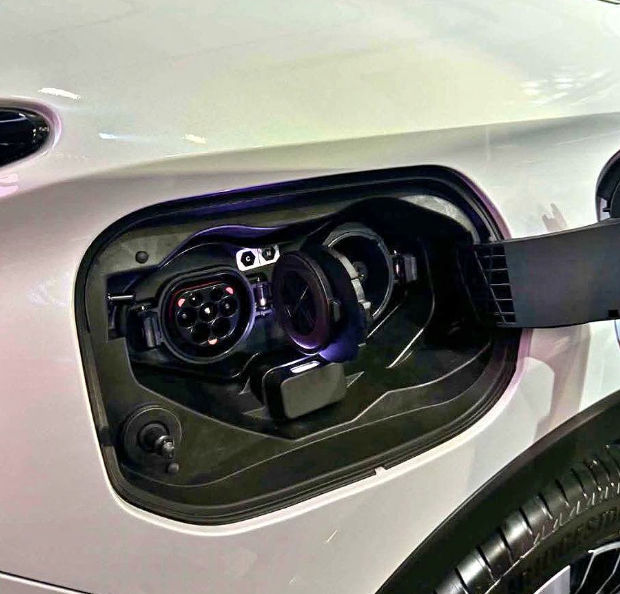
Charging is handled via a standard AC Type 2 connector compatible with typical home wallboxes or commercial destination chargers.
Once the pack runs low, or when the driver mashes the accelerator to overtake on an open provincial highway, the 2.4-liter gasoline engine kicks in. Most of the time it works as an onboard generator to feed the electric motors and replenish the pack in series hybrid mode. At high highway cruising speeds, a clutch couples the combustion engine directly to the front axle for maximum efficiency.
Mitsubishi estimates that a full tank of unleaded and a fully charged pack will carry the vehicle nearly 1,000 kilometers before needing a stop.
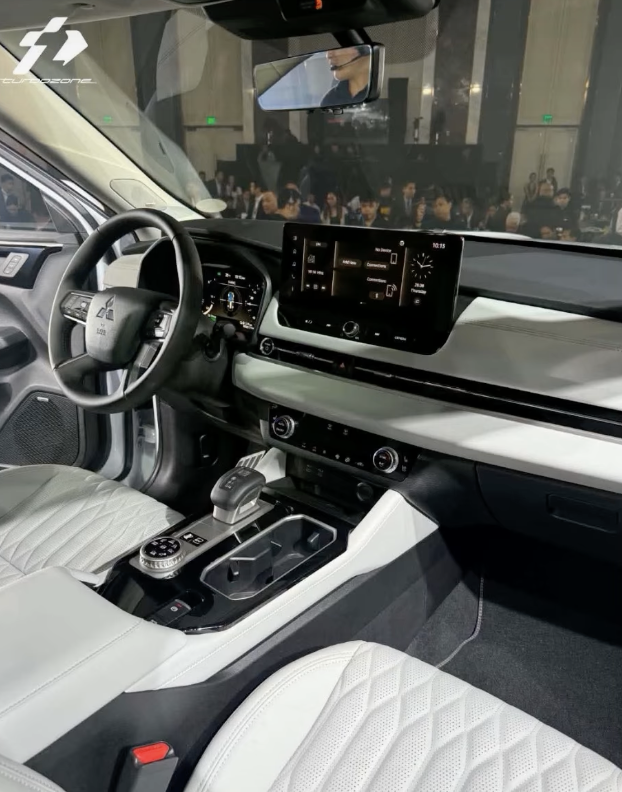
Chassis handling leans on Mitsubishi’s rallying heritage. The Super All-Wheel Control system uses electronic yaw control and selective wheel braking to meter torque across all four corners. A rotary dial on the center console lets the driver switch between seven terrain settings, including dedicated calibrations for tarmac, gravel, mud, and snow, while dedicated dash buttons can lock the car in pure EV mode, save battery charge for later, or force the engine to recharge the pack while driving or idling.
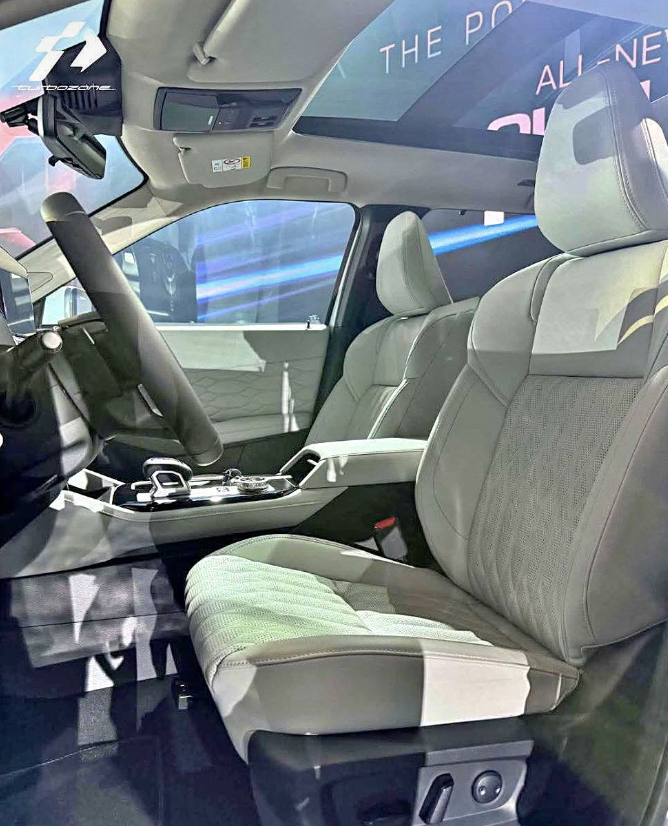
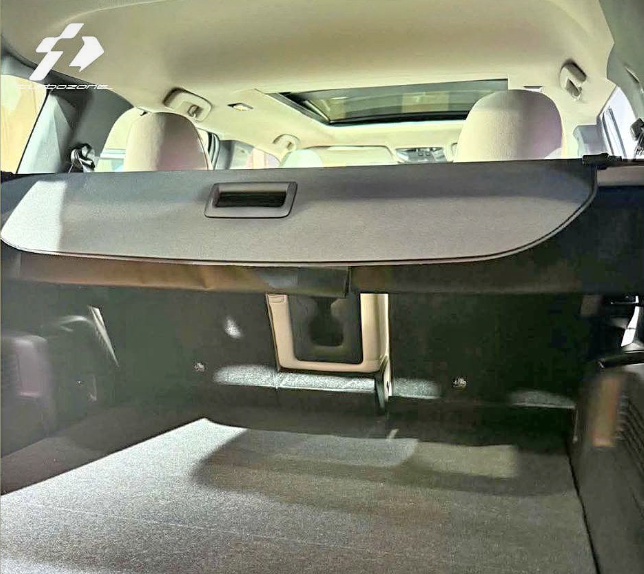
Instead of squeezing in a cramped third-row jump seat like some international versions, the Philippine model is strictly a two-row, five-passenger rig. Leaving out the extra row yields a deep cargo floor that easily takes luggage, grocery runs, or multiple golf bags.
The dashboard layout features twin 12.3-inch digital displays for the instrument cluster and infotainment touchscreen, running wireless Apple CarPlay and Android Auto. Acoustic duties go to an eight-speaker Yamaha Dynamic Sound Premium audio system. A color head-up display on the windshield, heated and ventilated front seats, and a digital camera-based rearview mirror round out the cabin gear. Standard active safety kit includes autonomous emergency braking, blind spot warning, lane departure alerts, and rear cross-traffic radar.
Even with the heavy tech loadout, the Outlander faces a tough climb in Philippine showrooms. Sourcing the SUV from Japan means it misses out on the zero-tariff benefits enjoyed by vehicles built within the ASEAN trade bloc. That puts the Outlander right in the crosshairs of established conventional hybrids like the Honda CR-V e:HEV and Toyota RAV4, while sitting well above cut-rate Chinese plug-in hybrids like the BYD Sealion 6.
There is also the question of where Mitsubishi goes from here. While a flagship sitting near the P3-million mark burnishes the brand’s engineering credibility, the volume heart of the Philippine market sits in affordable family mobility. Filipino motorists are still waiting to see whether MMPC will bring over the hybrid versions of the Xpander and Xforce already rolling off regional assembly lines in Thailand.
For now, the Outlander PHEV serves as a high-end test balloon. It offers a practical answer for affluent drivers caught between rising pump prices and underdeveloped charging networks, and gives Mitsubishi a second chance to prove that plug-in power actually makes sense in the islands.
Sign up for CleanTechnica's Weekly Substack for Zach and Scott's in-depth analyses and high level summaries, sign up for our daily newsletter, and follow us on Google News!
Have a tip for CleanTechnica? Want to advertise? Want to suggest a guest for our CleanTech Talk podcast? Contact us here.
Sign up for our daily newsletter for 10–15 new cleantech stories a day. Or sign up for our weekly one on top stories of the week if daily is too frequent.


CleanTechnica uses affiliate links. See our policy here.
CleanTechnica's Comment Policy

