

Gas Stations are Changing Globally. How Has It Changed in Your Town? (Part 1: Asia)
Support CleanTechnica's work through a Substack subscription, on Patreon, or on Stripe. Help us produce all of the high-quality, original content we publish week after week despite the challenges of content-scraping AI, antisocial media, inflation, and other hurdles.
In my recent trips globally have exposed me how the traditional petrol station model is undergoing a change as major oil and power companies scramble to adapt to rapid electric vehicle adoption. In Amsterdam I saw Total which is now Total Energies, Shell has Recharge, Sinopec in China, Idemitsu in Japan, Pertamina in Indonesia, PTT in Thailand and an early initiator, Unioil in the Philippines.
Rather than building completely new charging hubs from scratch, energy providers are capitalizing on existing, strategically located real estate by converting fuel stations into multi-modal power hubs. This trend has accelerated significantly with high-profile alliances aimed at deploying ultra-fast charging hardware directly alongside fossil fuel pumps across Europe, the Americas, and Asia.
The most dramatic example of this strategy unfolded in China, where automotive giant BYD signed a comprehensive framework agreement with Sinopec, the country’s largest fuel retailer. The partnership leverages Sinopec’s massive network of more than 30,000 service stations to accelerate the deployment of BYD’s second-generation Flash Charging systems.
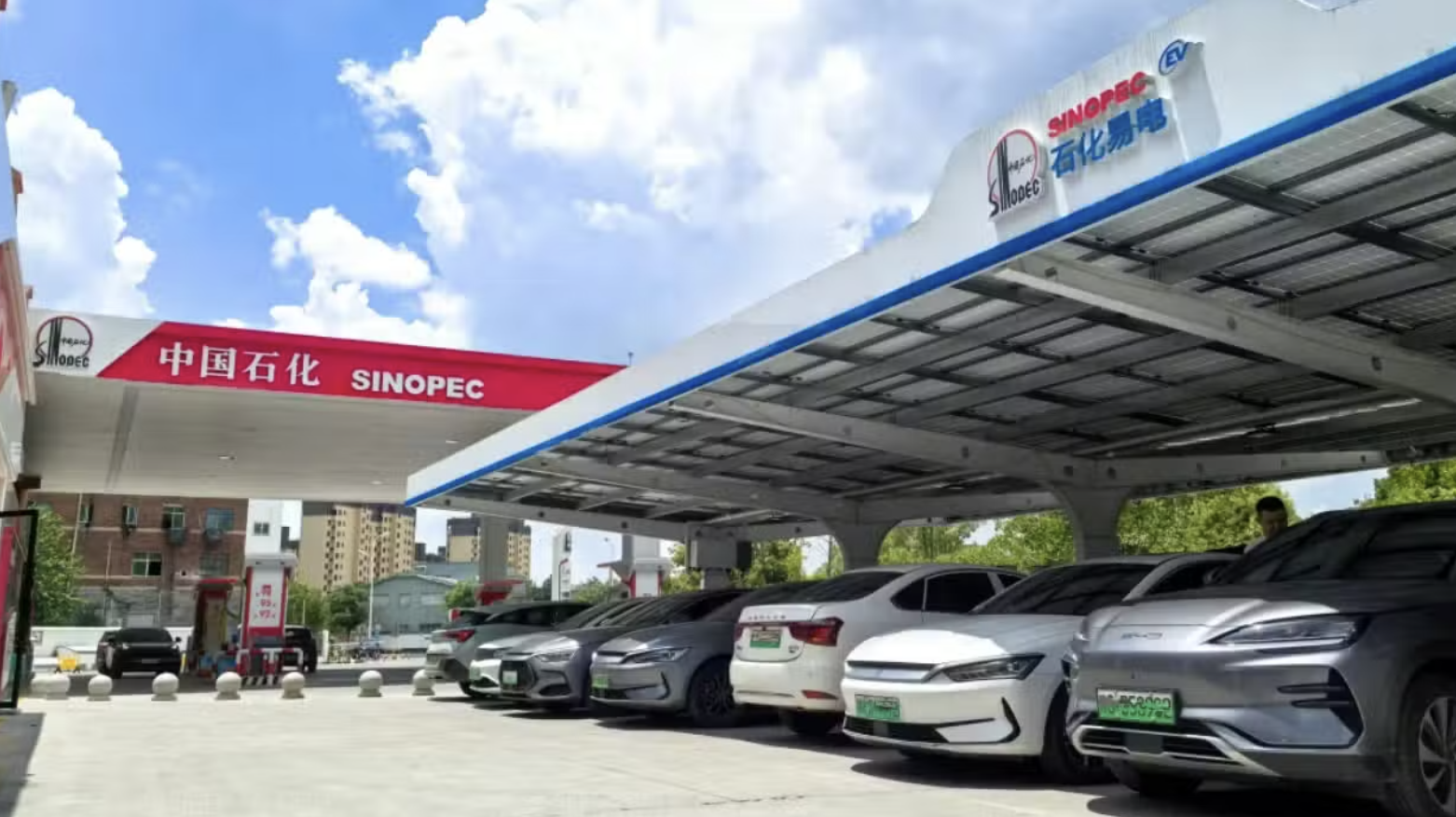
These liquid-cooled, megawatt-level terminals deliver peak outputs of up to 1,500 kW, allowing compatible vehicles equipped with advanced battery chemistry to replenish nearly a full charge in under ten minutes. BYD, which already operates over 6,100 charging stations domestically, expects this partnership to help it achieve its target of 20,000 stations by the end of 2026. This collaboration extends beyond simple hardware placement, encompassing supply chain integration and shared data platforms to establish a highly integrated smart energy ecosystem.

A similar wave of consolidation is sweeping through Southeast Asia, where traditional fuel brands are partnering with local conglomerates and EV manufacturers to establish regional high-speed charging corridors. In the Philippines, ACMobility, under the Ayala Group, teamed up with Shell Pilipinas to install over 2,500 charging points nationwide, focusing initial deployments on 50 key Shell service stations equipped with 60 to 120 kW direct-current fast chargers to reinforce the critical long-distance transport route known as the Philippine EV Spine. The few remaining stations of Phoenix Petroleum partnered with V-Green to deploy chargers across its retail network, providing immediate support for expanding electric vehicle taxi fleets.
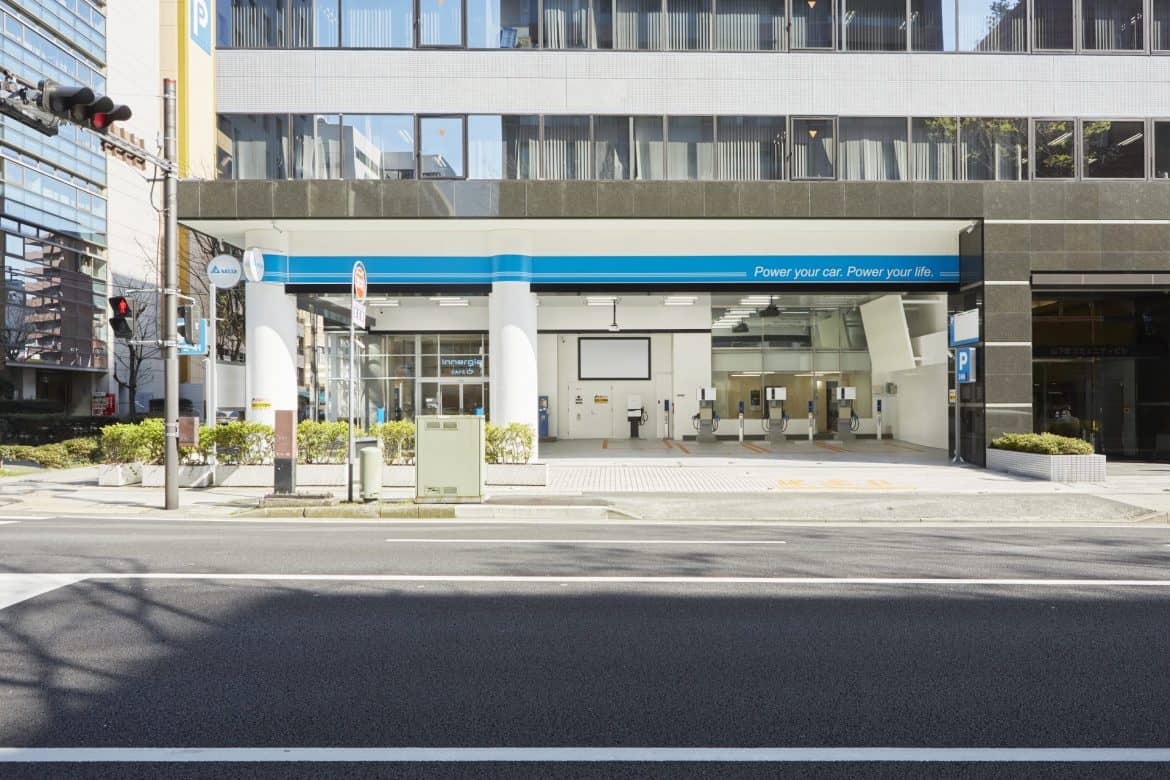
Across the rest of the region, state utilities and energy firms are pursuing similar retail partnerships. In Malaysia, Tenaga Nasional Berhad partnered with national carmaker Perodua to integrate charging infrastructure and solar power systems into existing retail outlets, while Yinson GreenTech is developing specialized fast-charging rest stops along the North-South Expressway.
In Indonesia, the state power company PLN signed agreements with VinFast and other local firms to expand the public SPKLU network, which already supports over 1,100 charging stations, while regional player Gentari joined forces with PLN to scale up commercial fleet solutions and motorcycle battery swapping operations. Singapore is maximizing its compact urban footprint through high-tech deployments, including a collaboration between SP Mobility and Huawei to introduce 480 kW liquid-cooled rapid chargers, alongside a Shell and Energy Market Authority initiative that combines solar power generation with onsite battery storage to keep charging times under 15 minutes.
Sign up for CleanTechnica's Weekly Substack for Zach and Scott's in-depth analyses and high level summaries, sign up for our daily newsletter, and follow us on Google News!
Have a tip for CleanTechnica? Want to advertise? Want to suggest a guest for our CleanTech Talk podcast? Contact us here.
Sign up for our daily newsletter for 15 new cleantech stories a day. Or sign up for our weekly one on top stories of the week if daily is too frequent.


CleanTechnica uses affiliate links. See our policy here.
CleanTechnica's Comment Policy

