
Zambia’s Government Delivers On Its Promise To Ramp Up Electricity Generation Capacity, With Solar Playing A Key Role
Support CleanTechnica's work through a Substack subscription, on Patreon, or on Stripe. Help us produce all of the high-quality, original content we publish week after week despite the challenges of content-scraping AI, antisocial media, inflation, and other hurdles.
There may be a lot of denialists around the world, but millions of people are unfortunately bearing the brunt of climate change induced disruptions to their lives. Let’s look at Zambia, a country that made a conscious decision to have an electricity grid powered by renewable energy, mostly hydro. This was a welcome and bold move that has, however, faced severe challenges due to prolonged droughts in recent times. This has resulted in low water levels, leading to lower than anticipated electricity generation capacity. Unfortunately, this led to Zambians experiencing loadshedding for up to 20 hours a day during the worst of times! To give an idea of how devastating the effects of climate change are, not long ago, Zambia declared excess generation capacity, which was mostly from hydro, and then the rains dried up. As covered here on CleanTechnica 4 years ago, this climate change induced drop in rainfall also led to low harvest and difficulties for cattle grazing, in particular in the southern parts of Zambia.
On the electricity generation front, Zambia has moved very quickly to increase electricity generation capacity in the fastest way possible by going big on solar. Again, CleanTechnica wrote about how Zambia’s new administration at the time could be well placed to lead in the transition to sustainable energy. Now, 5 years later, Zambia’s government looks to have delivered! Zambia wants to make loadshedding a thing of the past and to also add new generation capacity to power economic growth and industrialisation. The plan is to increase generation capacity from the current 4.5 GW to 10 GW, and solar has a big role to play in Zambia’s energy mix.
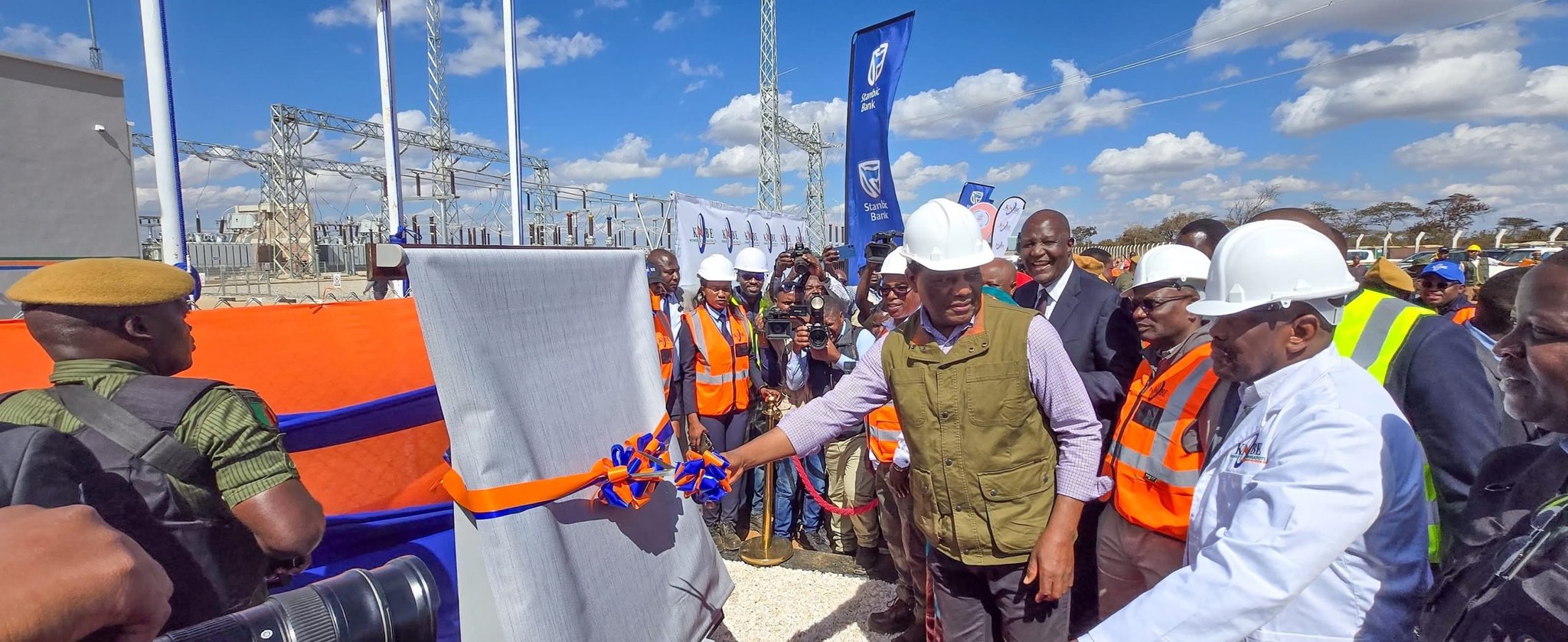
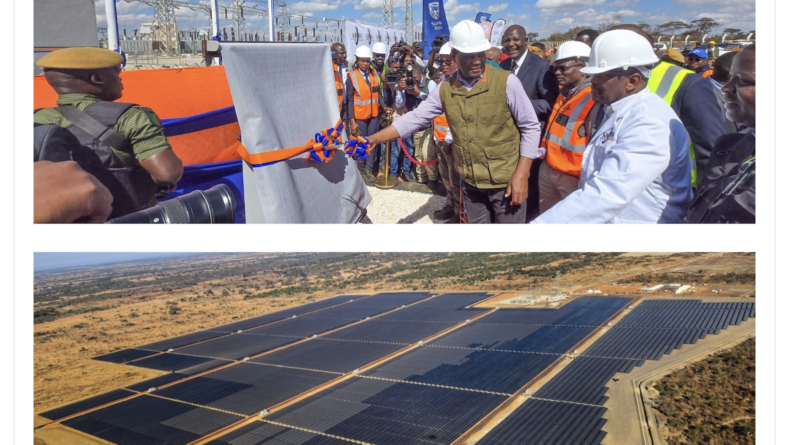
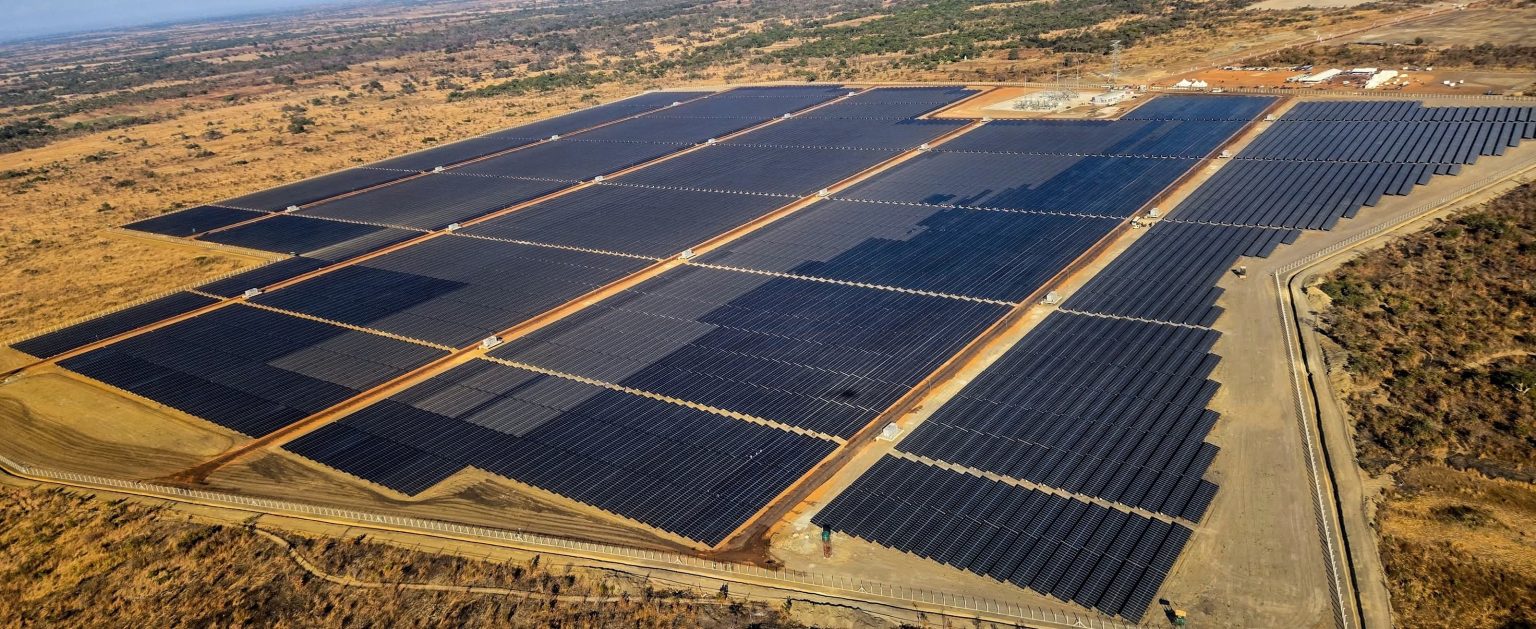
Zambia is well on the way to do so with its rapid deployment of new utility-scale solar plants, and the government of Zambia should be commended for this. Over the past 3 years, Zambia, in collaboration with both local and international partners, has delivered 500 MW of new utility-scale solar capacity. Some of the key projects include the Chisamba solar plant that was recently expanded to 200 MW. The private sector has also played a pivotal role in expanding solar generation capacity. Zambia wants to get up to 1,000 MW of solar generation capacity by the end of 2026, which is awesome. Here is a summary from Zambia’s Ministry of Energy showcasing this awesome progress:
- Installed generation capacity increased from 3,100 MW in 2021 to 4,576 MW in 2026 — an addition of 1,476 MW to the national grid.
- Solar power has expanded dramatically, growing from 88 MW in 2021 to 841 MW in 2026, bringing Zambia closer to the 1,000 MW solar target this year.
- 750 MW Kafue Gorge Lower Hydropower Station was fully commissioned, strengthening national electricity supply.
Key reforms introduced include:
- Electricity Open Access Regulations
- Energy Single Licensing System
- Electricity Net Metering Programme
- Zambia’s first Integrated Resource Plan (IRP)
Here are some awesome numbers to highlight:
- Net metering now contributes over 30 MW to the national grid while enabling households and businesses to sell excess electricity.
- More than 300,000 new electricity connections have been achieved since 2022, increasing national electricity access from 34% to 56%.
- Rural electricity access has risen from 8% to 34%, while urban access has increased from 69% to over 80.3%.
- Through the ASCENT Programme, eligible rural and peri-urban households now pay only K300 for a standard electricity connection instead of K4,846.
- The government has also launched the Presidential Constituency Energy Initiative, which will establish 2 MW solar power plants in constituencies to expand access and support local economic development.
Zambia is making significant progress on its path to transition from an electricity deficit towards a surplus, with a diversified energy mix underpinned by a project pipeline aimed at achieving 10,000 MW by 2031. The government of Zambia has made great progress on this, and let’s hope they continue on this excellent path. It’s good to see a good plan coming together nicely.
Sign up for CleanTechnica's Weekly Substack for Zach and Scott's in-depth analyses and high level summaries, sign up for our daily newsletter, and follow us on Google News!
Have a tip for CleanTechnica? Want to advertise? Want to suggest a guest for our CleanTech Talk podcast? Contact us here.
Sign up for our daily newsletter for 15 new cleantech stories a day. Or sign up for our weekly one on top stories of the week if daily is too frequent.


CleanTechnica uses affiliate links. See our policy here.
CleanTechnica's Comment Policy

