
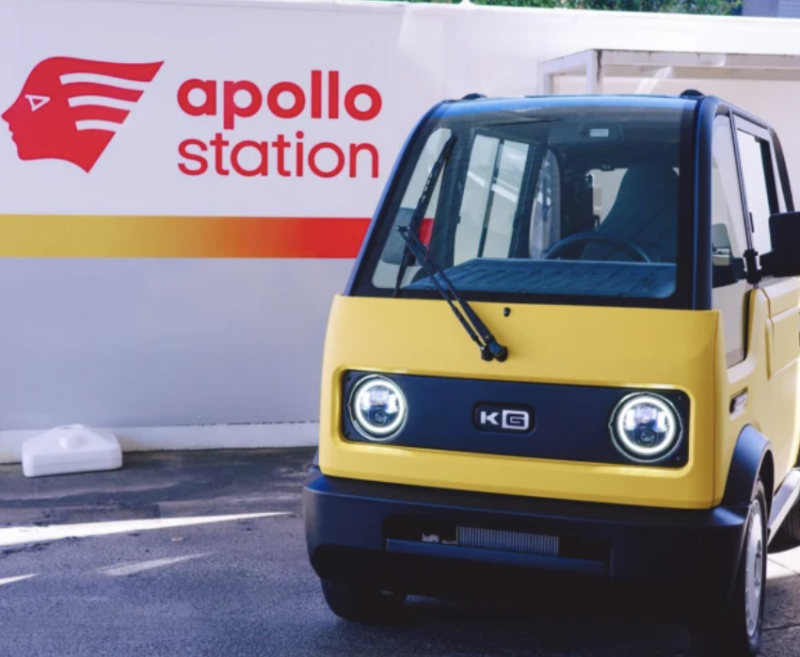
Why KG Motors Suspended Reservations For Its Tiny MiBot EV
Support CleanTechnica's work through a Substack subscription, on Patreon, or on Stripe. Help us produce all of the high-quality, original content we publish week after week despite the challenges of content-scraping AI, antisocial media, inflation, and other hurdles.
“We will not take your money until we know
when we can build your car.”
We’ve followed Japanese micro-EV maker KG Motors from the start. After initially announcing that completed vehicle deliveries began in December, followed by a planned April production ramp-up after a tie-up with Idemitsu, the company suddenly went silent in May.
Then came the unexpected: Mibot stopped accepting reservations. While most EV startups dream of filling a waiting list, KG Motors has done something unusual — halt new intake to focus on fulfilling existing orders.
A confidential source inside the Hiroshima startup explained that the company is prioritizing manufacturing discipline over headline-grabbing preorder numbers. “Our founder was clear: we will not take your money until we know when we can build your car.”
Not acting like a startup
Unlike many low-volume microcars that use tubular space frames, the MiBot is built around a monocoque chassis. While this offers superior safety and rigidity, it requires significant upfront investment in molds and tooling.
“Unlike typical pipe frames, monocoque frames require significant upfront investment,” our source noted, pointing to a company statement that emphasized financial sustainability over rapid expansion.
The company’s publicly stated objective of producing 10,000 MiBots annually is now clarified as the threshold needed for financial viability, not just a production goal. Rather than chasing individual consumers, KG Motors believes fleet operators can prove demand at the necessary scale much faster.
The need to scale
“Sales activities targeting corporations… will be the greatest driving force at this stage.”
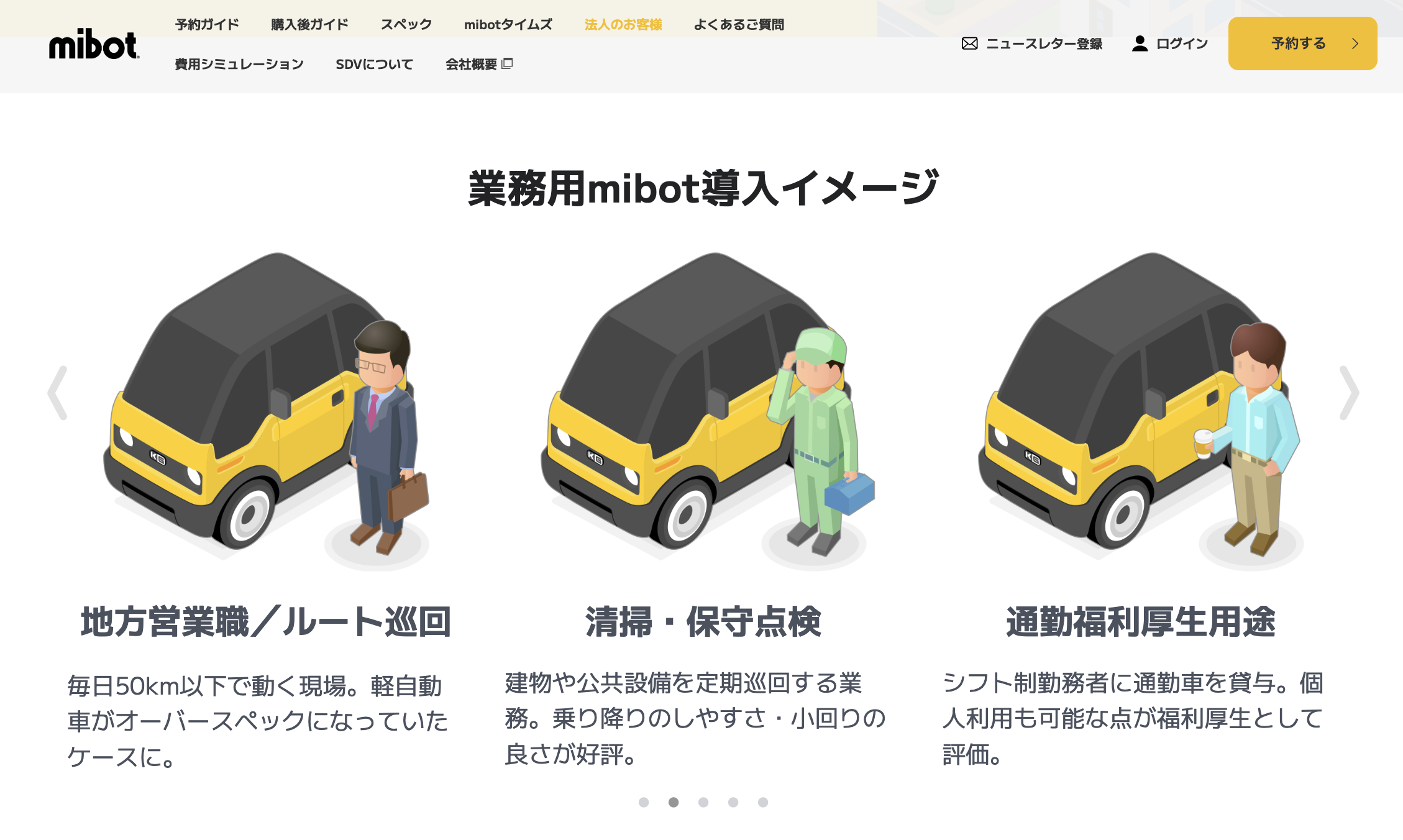
This statement fundamentally shifts the MiBot story. Campaigns now target corporations, municipalities, and organizations capable of ordering in volume — such as caregivers, handymen, and “employee mobility solutions” for short-distance travel. A single fleet contract could represent dozens or even hundreds of units, accelerating production while reducing customer acquisition costs.
This strategy sheds new light on the January 2026 partnership with Idemitsu Kosan. While initially appearing to focus on customer support via Idemitsu’s nationwide Apollostation network, it may also provide access to a vast commercial customer base. Idemitsu’s transformation of fuel stations into mobility hubs aligns perfectly with this commercial pivot.
Discipline over hype
Crucially, the suspension of new online reservations does not mean deliveries are suspended. But that is how Japanese carmakers have historically been reluctant to overstate production capabilities. This contrasts sharply with the “announce first, build later” approach seen elsewhere in the EV industry.
“We will continue to concentrate all our resources on delivering vehicles to our current customers.”
Rather than accepting new orders without realistic schedules, KG Motors decided it was inappropriate to continue until its production system is fully established. This reflects a remarkably conservative approach in an industry where reservation numbers are often celebrated long before production catches up.
For existing reservation holders, the company argues that a fleet-first strategy will actually improve their experience. By securing corporate business first, they can make the upfront investments needed to establish a stronger supply chain, finally provide concrete delivery dates, and shorten wait times.
Intentionally simple
The MiBot itself remains intentionally simple. At just 2.49 meters long, the single-seat EV offers about 100 km of range, a top speed of 60 km/h, and a price of approximately ¥1 million (about US$7,000). It is designed for neighborhood mobility, not highways.
Founder Kazunari Kusunoki, though from outside the traditional auto industry, adopted a decidedly Japanese development path. The company spent years refining prototypes and satisfying regulatory requirements before handing over the first keys. This deliberate pace contrasts with the rapid-fire announcements of many Chinese EV startups, reflecting an emphasis on reliability before scale.
That philosophy may explain why KG Motors has largely disappeared from the headlines. It has little to announce because it is doing what every startup must: manufacturing, delivering, and preparing for sustained production.
In an industry where publicity often outpaces production, KG Motors is quietly betting that execution will matter more than excitement. If that bet succeeds, the MiBot may become known not just as Japan’s smallest electric vehicle, but as one of its most disciplined success stories.
“We will not take your money until we know when we can build your car.” That is remarkably Japanese.
Sign up for CleanTechnica's Weekly Substack for Zach and Scott's in-depth analyses and high level summaries, sign up for our daily newsletter, and follow us on Google News!
Have a tip for CleanTechnica? Want to advertise? Want to suggest a guest for our CleanTech Talk podcast? Contact us here.
Sign up for our daily newsletter for 10–15 new cleantech stories a day. Or sign up for our weekly one on top stories of the week if daily is too frequent.


CleanTechnica uses affiliate links. See our policy here.
CleanTechnica's Comment Policy

