
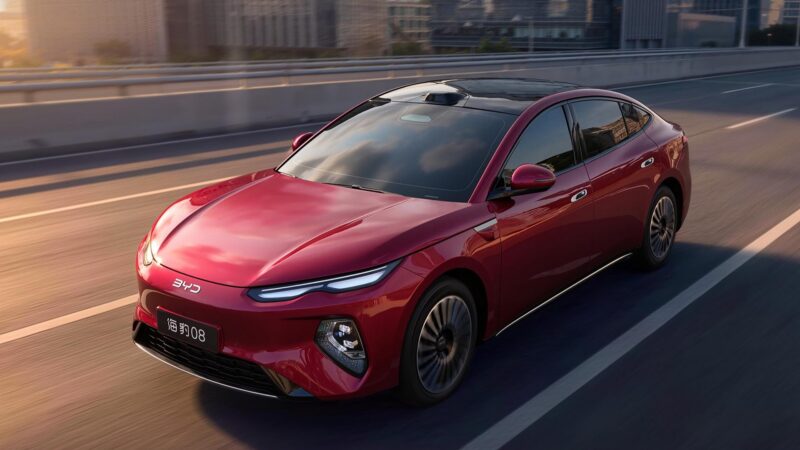
BYD Seal 08 EV: A No-Compromise Premium Sedan At A Commodity Car Price

Last week, CleanTechnica showed a preview of the stunning new BYD Seal 08. Looking at the pictures and specifications released at the time, it seemed like an impressive flagship sedan for BYD’s Ocean lineup. With the launch of the Seal 08 this week, we now have more details, and the car becomes even more impressive.
The price is coming in lower than expected, with an entry level Seal 08 with 775 km of range starting at 196,900 RMB ($29,002 USD). The 905 km RWD Flagship model comes in at 216,900 RMB ($31,948). Meanwhile the 785 km Flagship AWD model, capable of 0-100 km in a supercar-like 3.3 s, comes in at 239,900 RMB ($35,556).
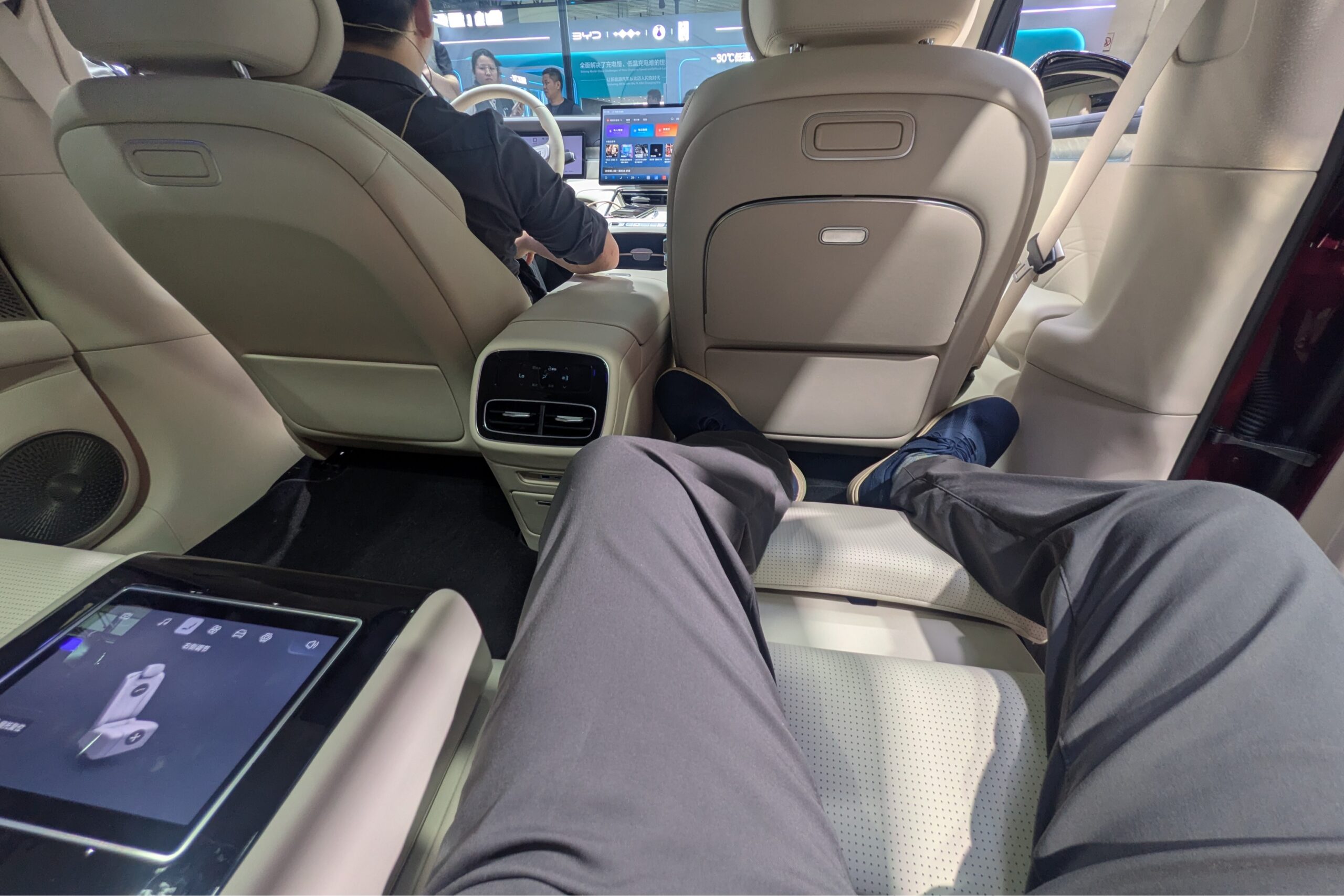
The AWD model also includes every interior feature available and upgraded materials. Typically, I tend to recommend the mid-tier trim. However, with the relatively small price premium and more than enough range, I would go for the AWD. This is the most compromise-free version of a sedan focused on no compromises.
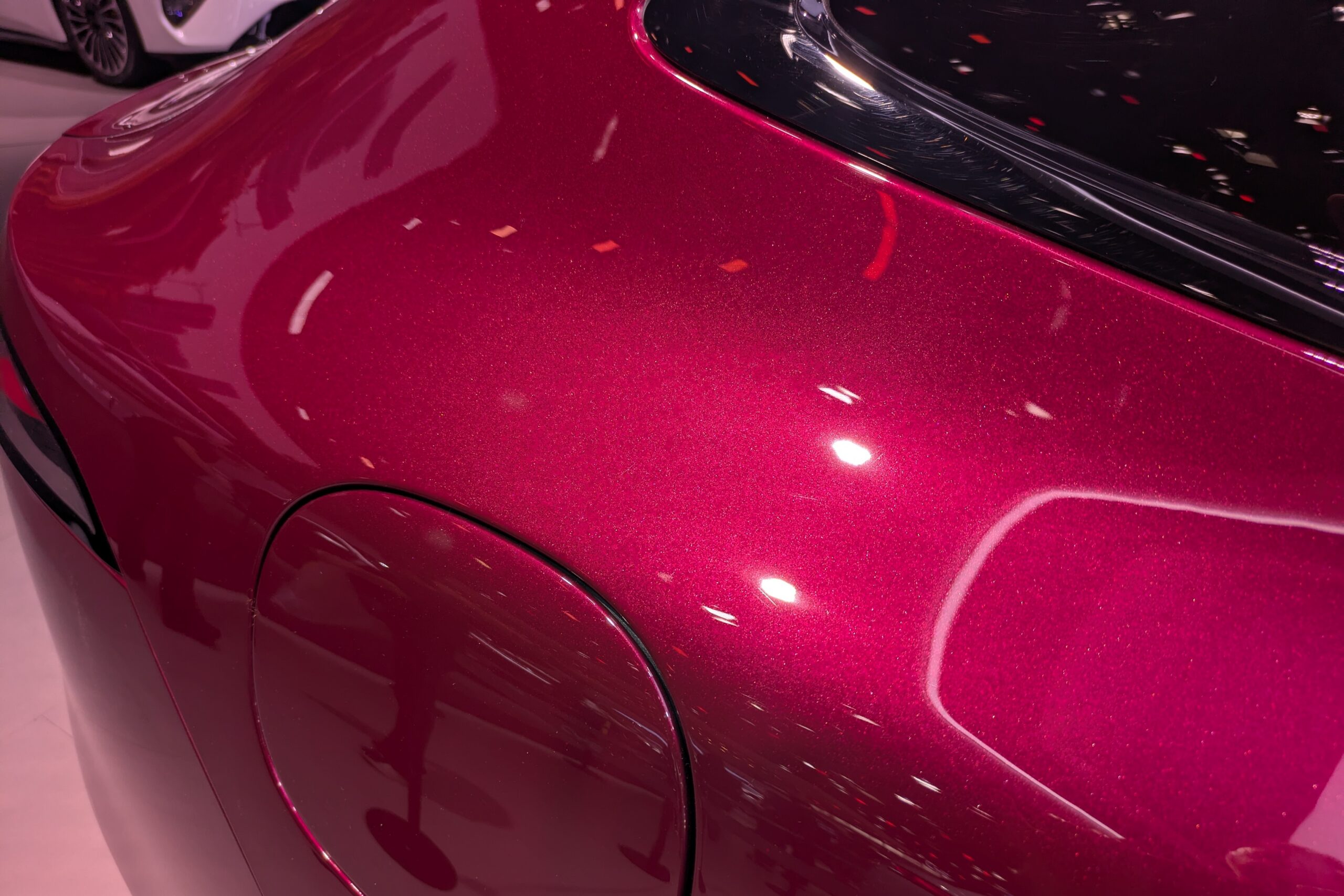
Having seen a preproduction model at the Beijing Auto show, pictures do not do the Seal 08 justice. The multi-layered BASF paint system, also used on exotic luxury cars, has impressive depth and smoothness.
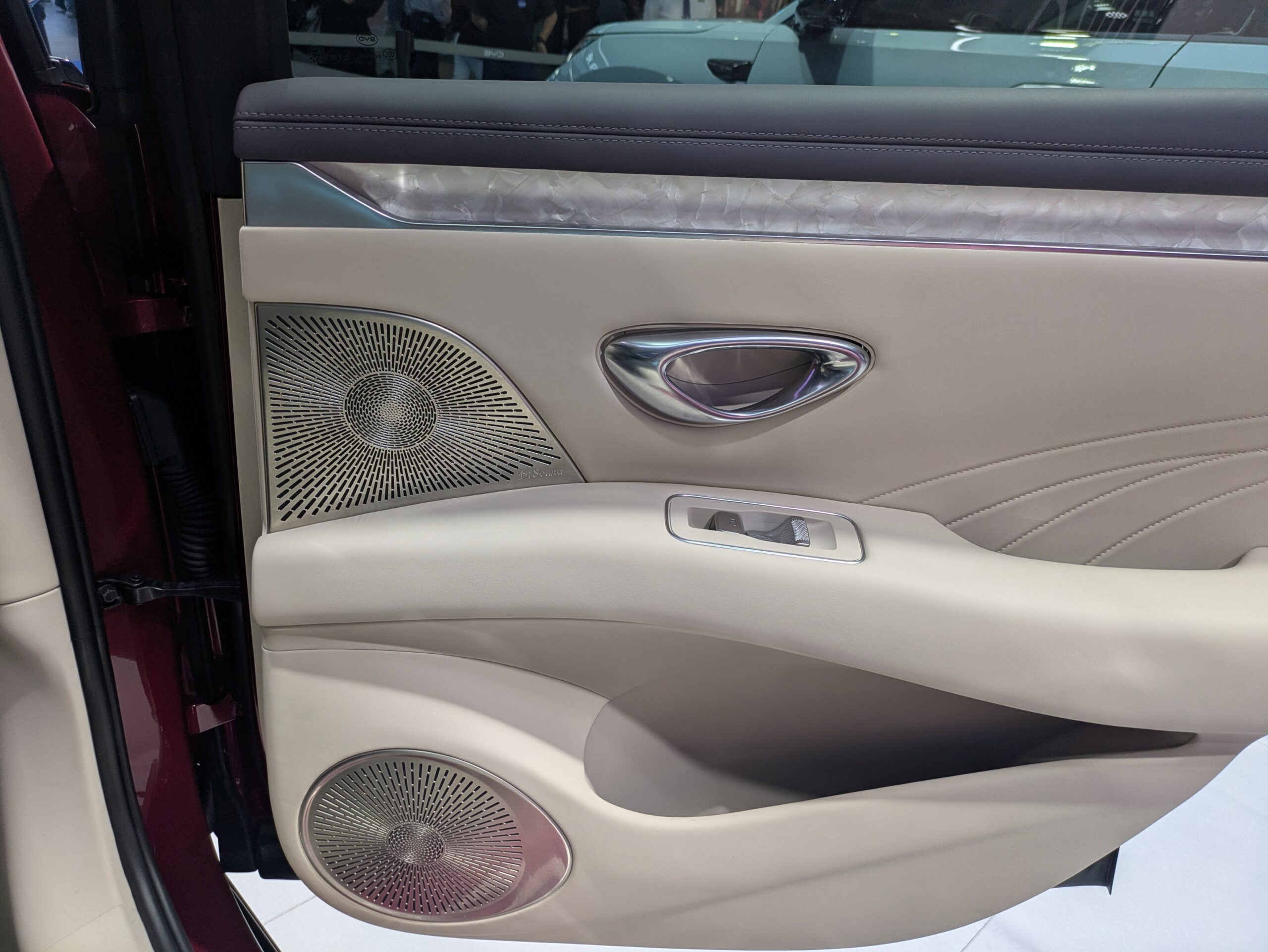
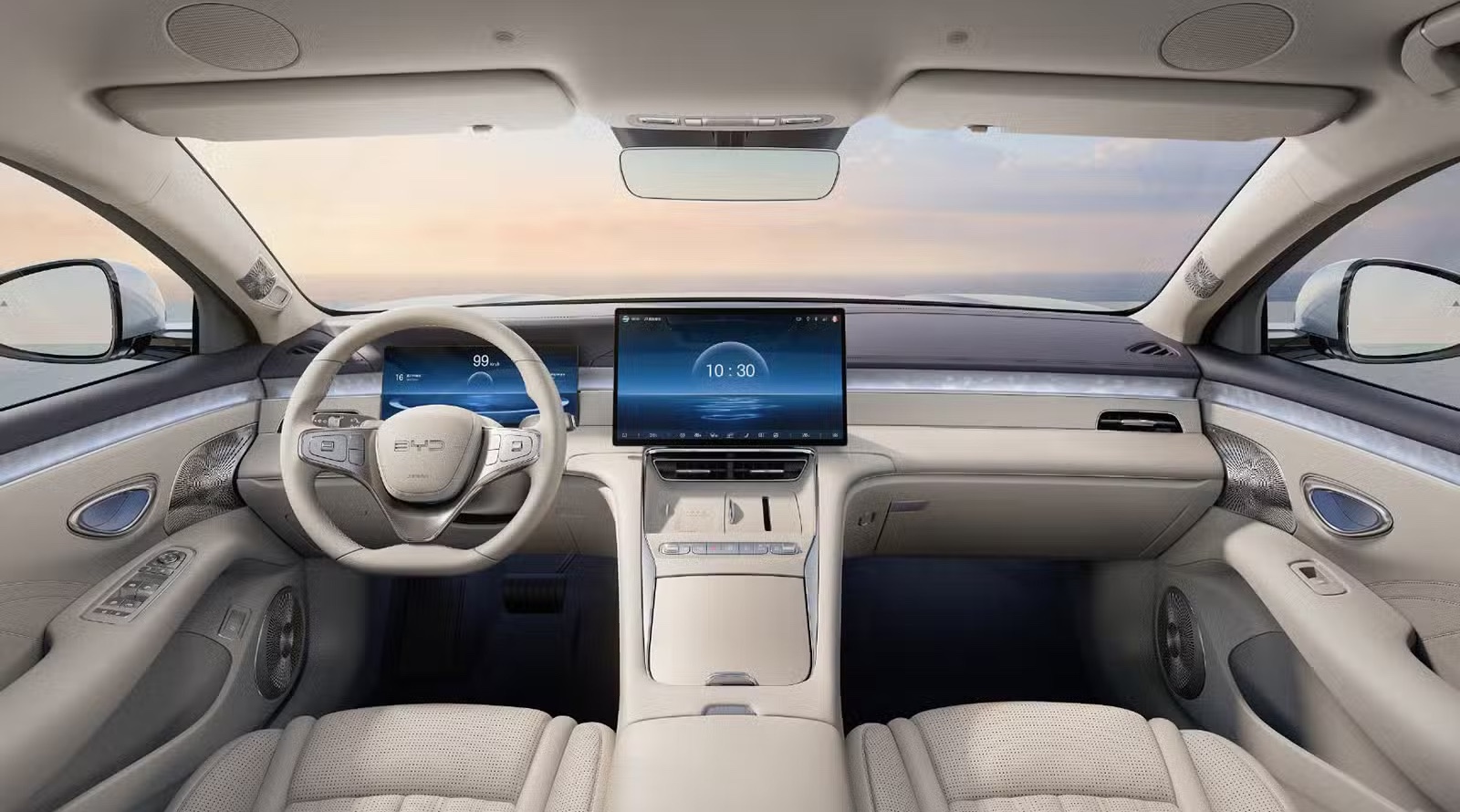
Virtually every surface is covered in premium-feeling soft touch materials. Other than the metal speaker grills, one of the few hard materials is a mother of pearl trim strip that wraps around the cabin from the dash to the rear doors. This material can often be seen on the faces of Rolex watches that cost more than the Seal 08. In terms of cars, mother of pearl trim tends to be reserved for the most exclusive models, such as bespoke Rolls Royce editions. It looks premium, but not overly flashy, while ambient lighting highlights the iridescent nature of the material.
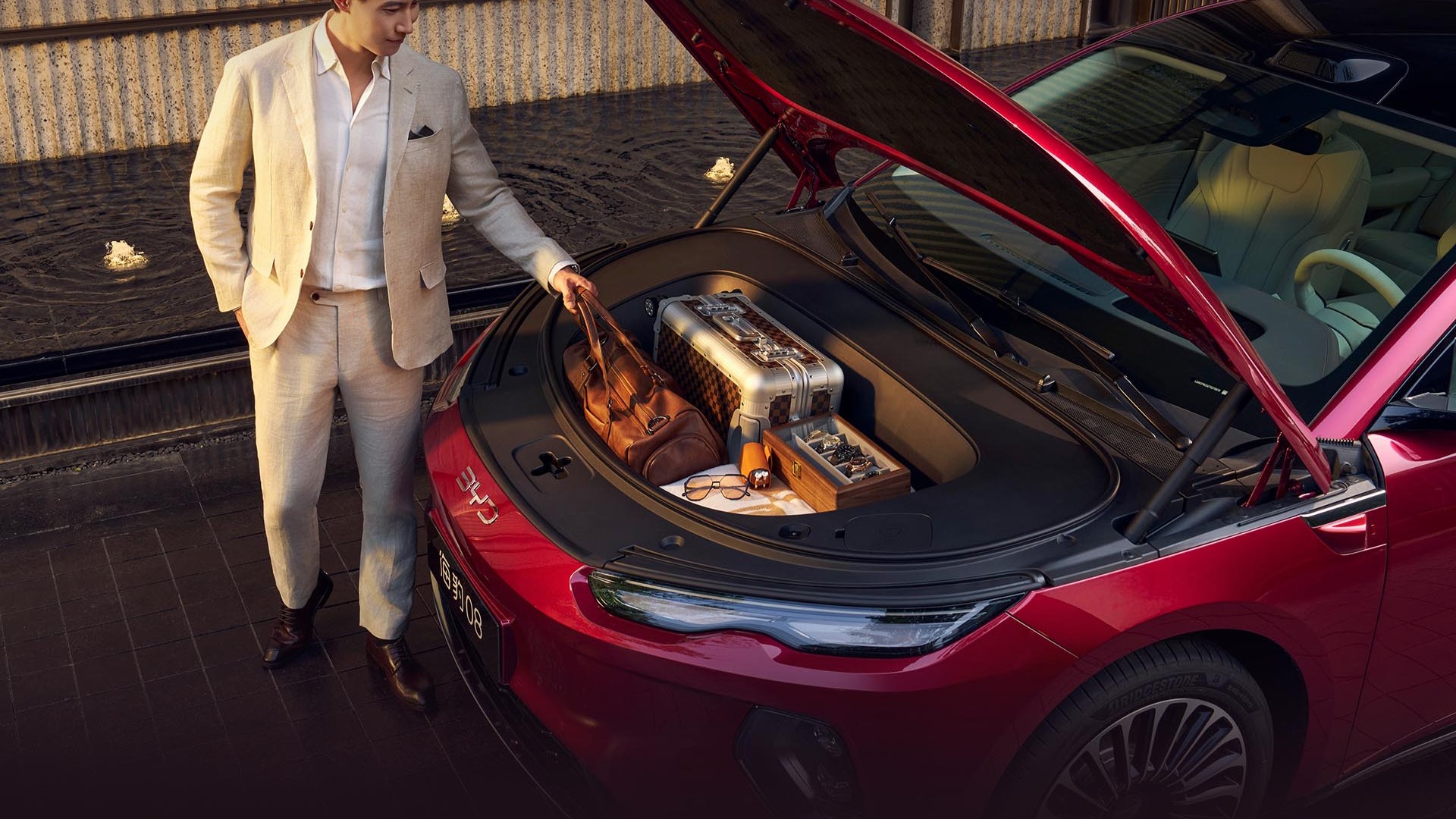
Double-layered glass throughout ensures a quiet cabin, while a 20-speaker Devialet sound system can surround people inside with music. Both the frunk and trunk are powered with all doors electrically sealing. There are 40 storage spaces throughout the car and a 160l frunk on the EV.
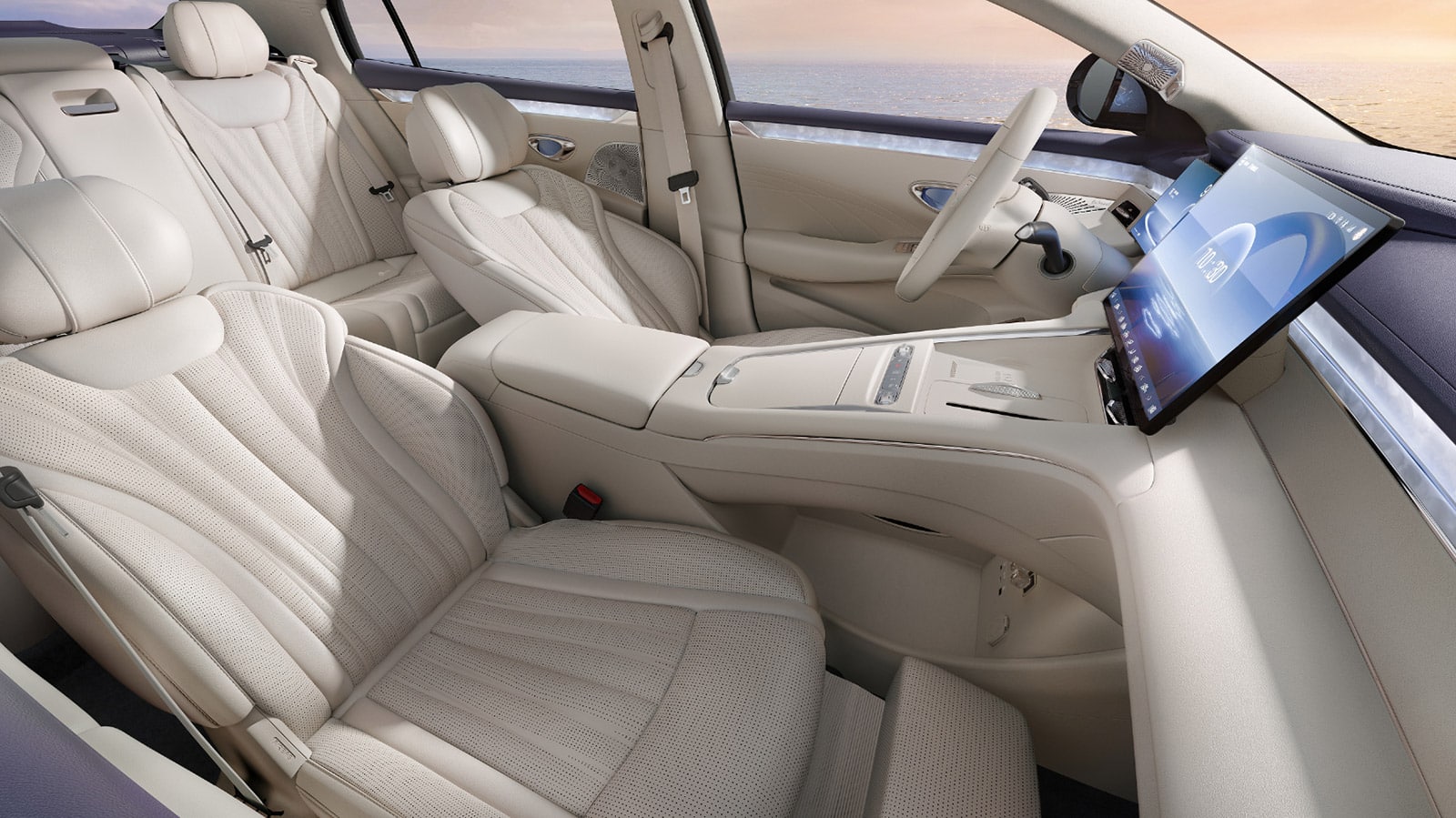
Zero gravity reclining front seats combine with the largest rear seats in its class, also reclining with extending leg rests, controlled by a rear seat touchscreen. Multiple electronic adjustments, heating, ventilation and multi-point massage are included.
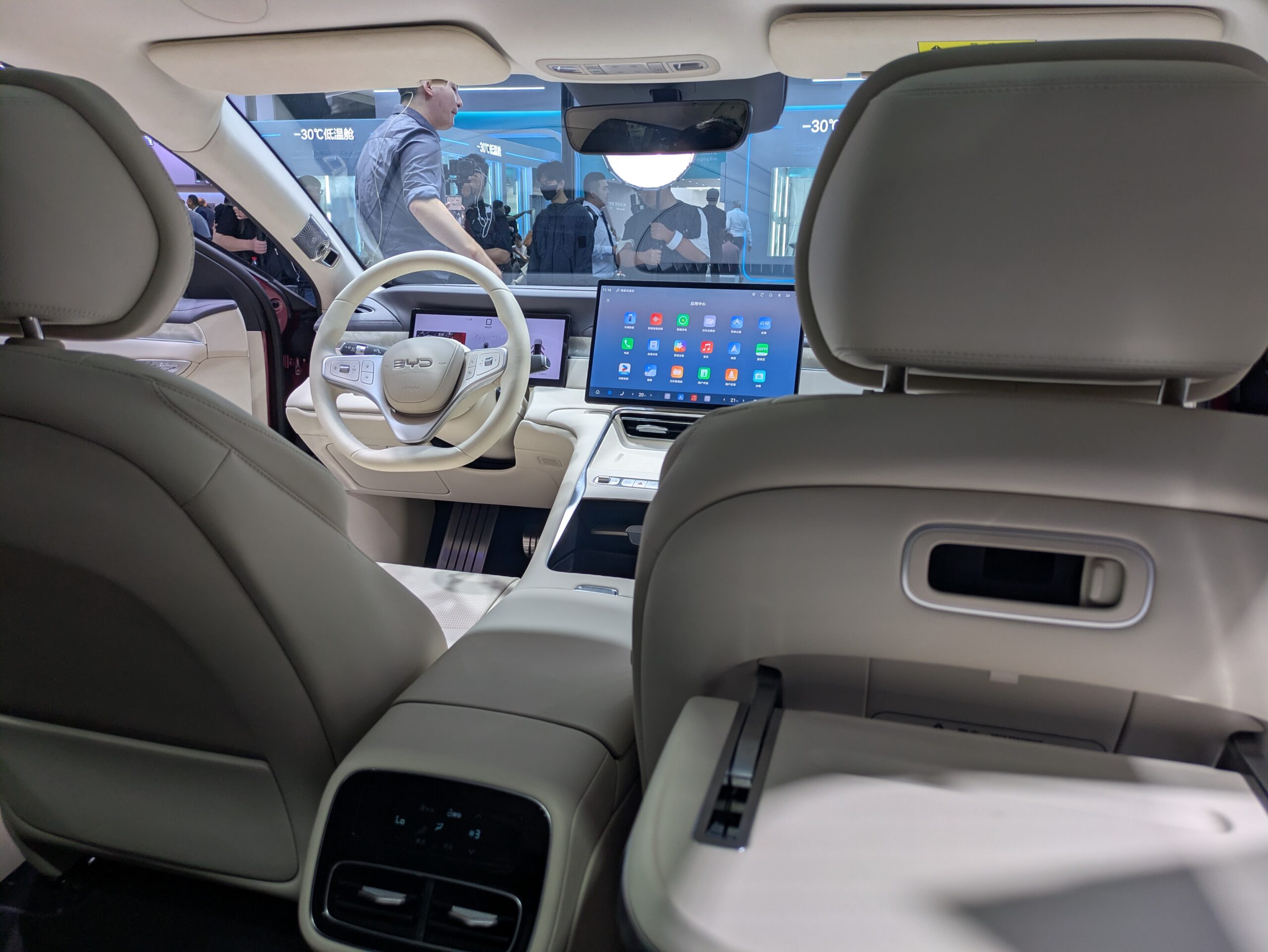
Rear seat tray tables can be used for holding refreshments from an onboard refrigerator or to hold a laptop for work. While the Seal 08 does not have the proliferation of screens found on the Datang, powered seatback mounting points allow customers to add accessory screens.
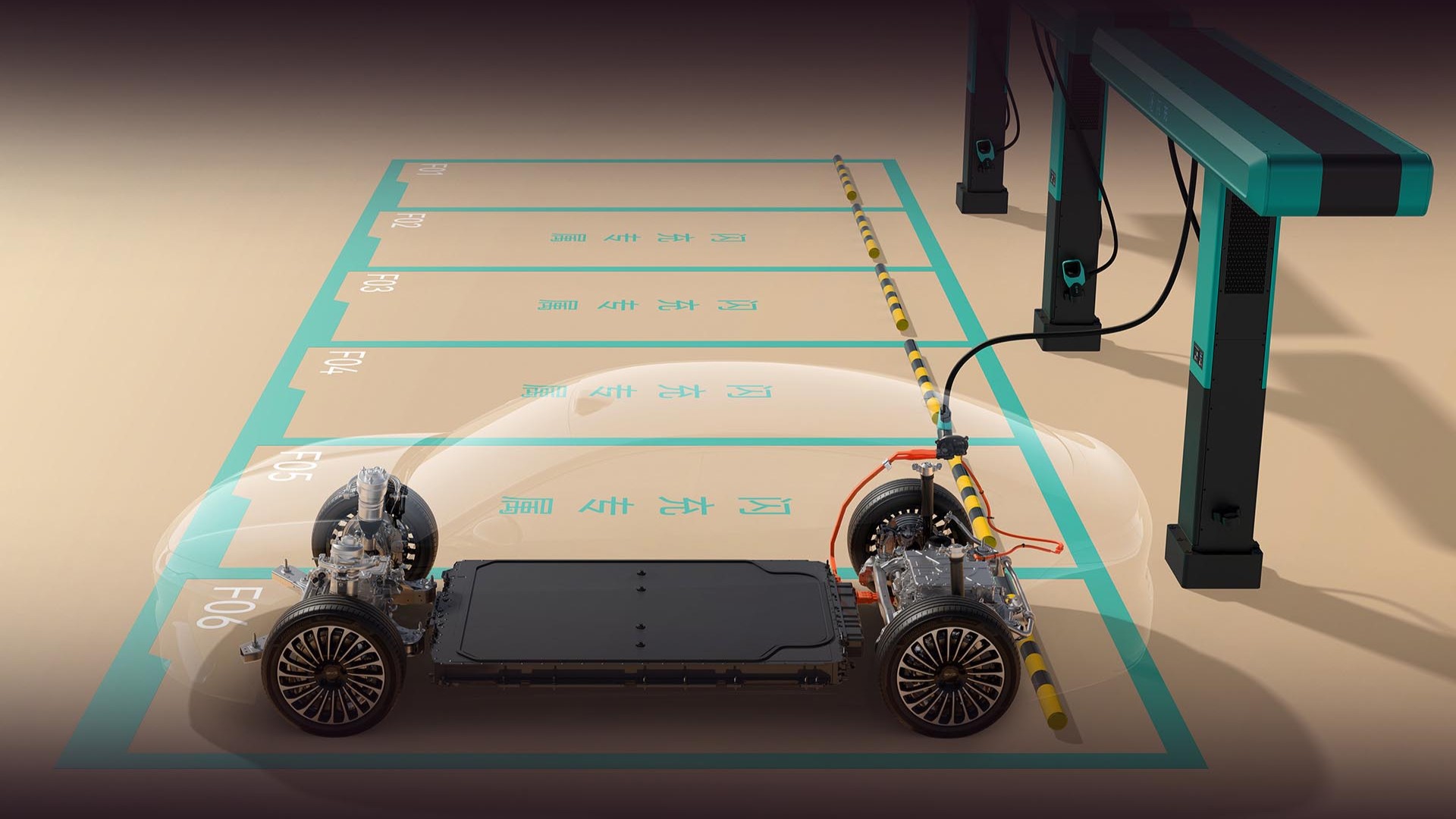
The Seal 08 includes BYD’s Flash Charging, able to charge from 10 to 70% in 5 minutes, up to 97% in 9 minutes. Combined with up to 905 km of range, that means the Seal 08 can add 543 km of range in 5 minutes. And the charging infrastructure needed to reach those speeds is expanding rapidly. In addition to the millions of public DC chargers in China, BYD now has 7018 Flash Charging stations with multiple charge guns in 325 cities. They will have over 20,000 stations by the end of the year, with additional chargers to be built in partnership with KFC and Sinopec.
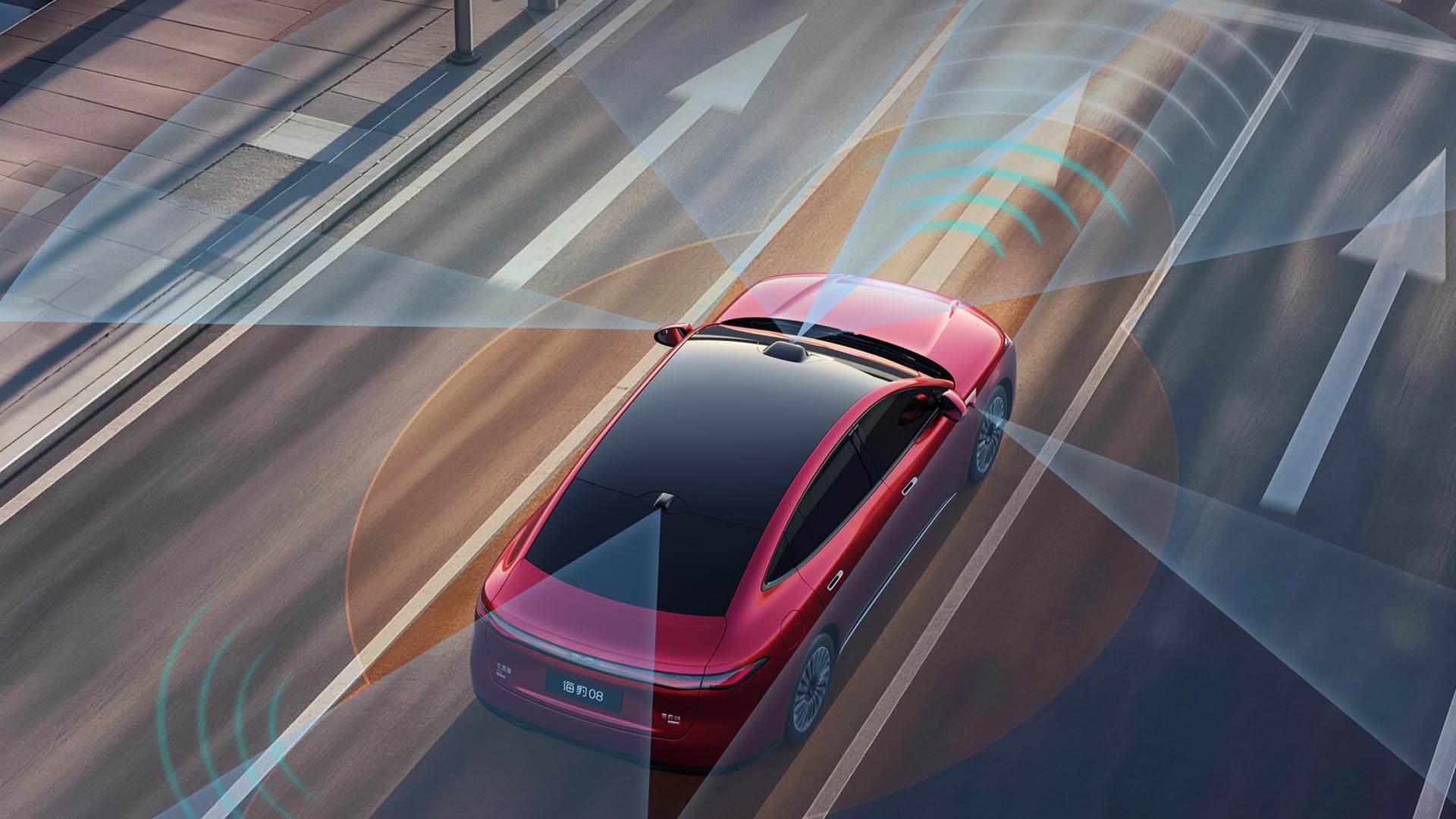
The Seal 08 also comes standard with BYD’s LiDAR-equipped God’s Eye B intelligent driving system. BYD covers any damage or liability in city operation and when self-parking while using the system. Active safety continues to improve, with AEB operation up to 150 km/h, above the highest speed limit in China.
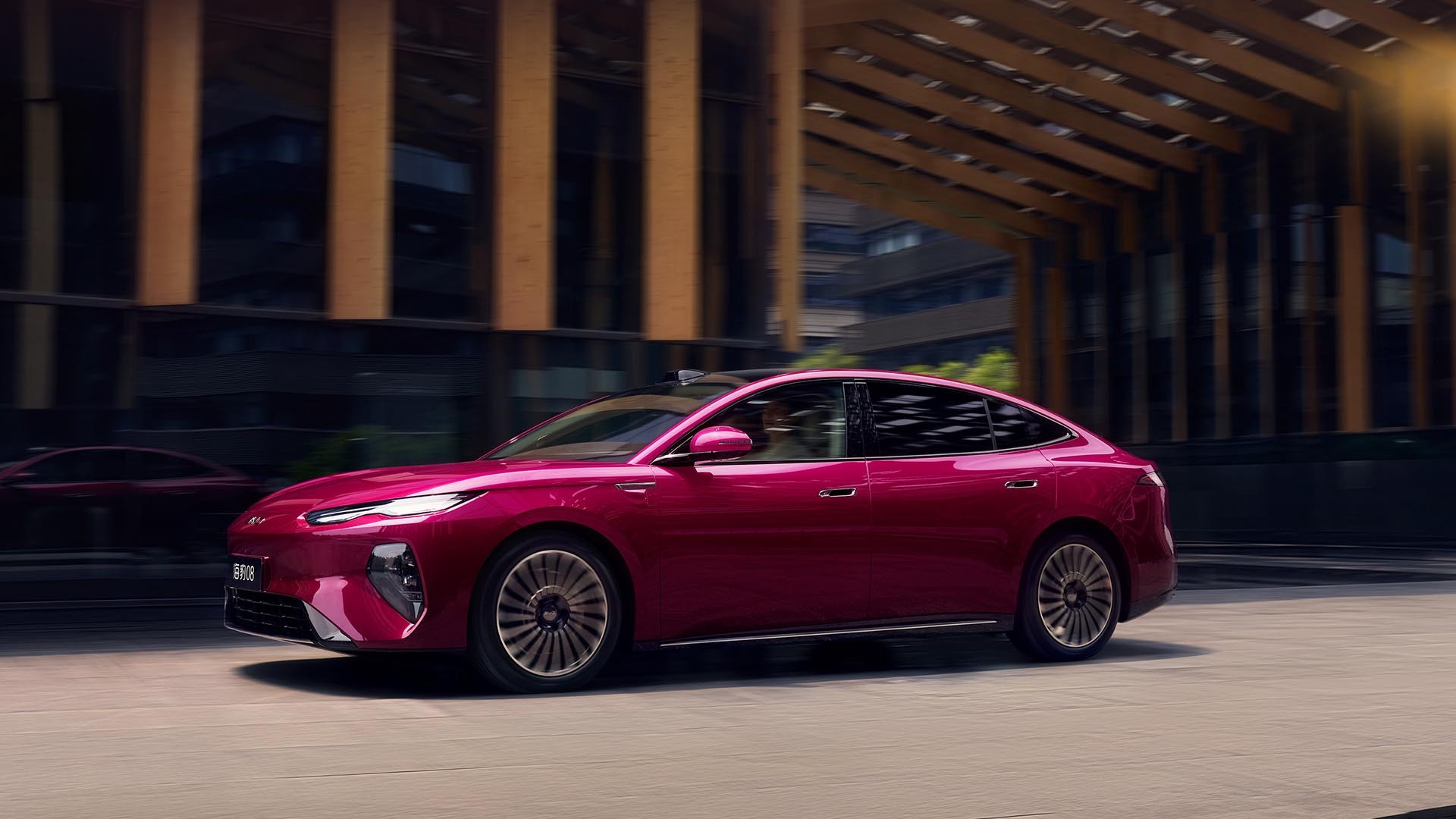
The ride is engineered to combine stability and agility. Despite being capable of rapid acceleration and fast cornering, the suspension offers tuning to prevent motion sickness. This is achieved with a combination of active damping and a dual chamber active air suspension (DiSus-A). Handling should be better than its size would indicate.
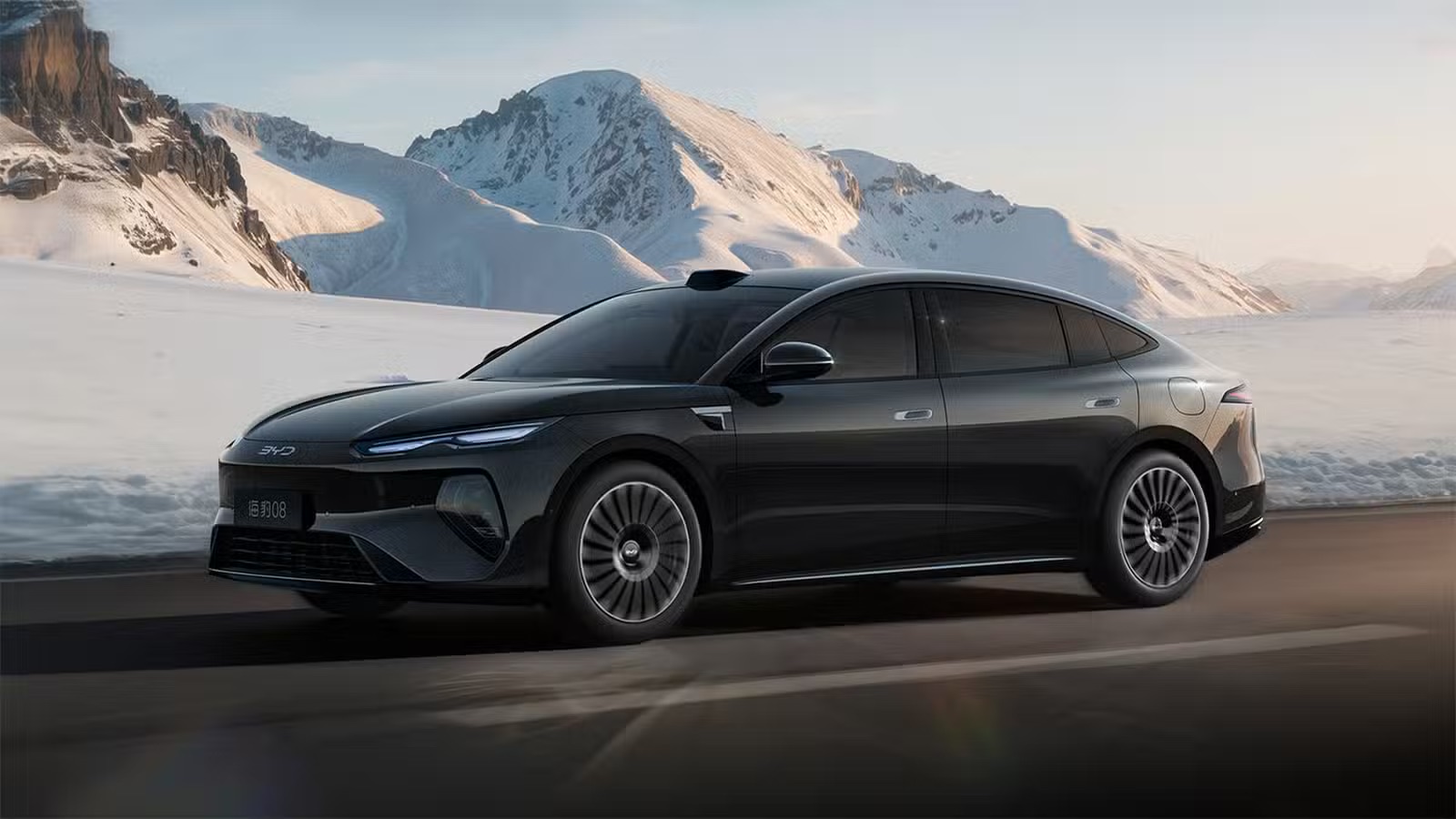
Regarding size, the Seal 08 comes in at 5150 mm long, 1999 mm wide and 1505 mm tall on a 3030 mm wheelbase. For the default EV sedan comparison, a Model 3 (4720 mm long) is 430 mm (16.9”) shorter. The Model 3 is closer in size to a subcompact Mitsubishi Mirage sedan (4305 mm) than it is to the Seal 08. However, with 4-wheel steering, the Seal 08 is more maneuverable, with a 4.9 m turning radius vs. the Model 3 at 5.6 m.
Seal 08 In Comparison
While Chinese prices are different than US prices, the gap has shrunk as the US Dollar has lost value versus the Renminbi (aka, Chinese Yuan). In addition, while CLTC range estimates are different than EPA, they can be useful when comparing two cars both rated under the same standard. As several popular sedans in the US are also locally produced and sold in China, they can provide a valuable comparison.
To build on the default comparison, the base Model 3 RWD comes in at 235,500 RMB ($34,688) in China with 0-100 km/h in 6.1s and 634 km of CLTC range from a 62.5 kWh battery. However, when adding 19” wheels and Tesla Driver Assist (Seal 08 comes with 19” wheels and God’s Eye B standard), the price increases to 297,500 RMB ($43,820 USD), while range decreases to 612 km. Meanwhile the base Seal 08 with 775 km of range starts at 196,900 ($29,002 USD). The base Model 3 is roughly 50% more money for a slower, slower charging, smaller car with far less equipment.
However, the Seal 08 in base trim matches the base Model 3 with 18” wheel in efficiency at 10.1 km/kWh under the same CLTC rating, while outperforming the base Model 3 with 19” wheels. While a smaller car on the latest platform from BYD would undoubtedly be even more efficient, customers choosing between a Model 3 and Seal 08 do not have to sacrifice on size, performance or equipment to gain efficiency. BYD has received criticism for their efficiency in the past, but new models have risen above Tesla to become some of the most efficient vehicles in their respective classes.
A RWD “Long Range” Model 3 with 19” wheels and Tesla Driver Assist comes to 321,500 RMB ($47,355). Despite its name, the Model 3 LR has range closer to the base Seal 08 and the same 5.2s 0-100 km/h time as that model. Meanwhile, the 905 km Flagship RWD Seal 08 comes in at 216,900 RMB ($31,948) and is a little quicker at 4.9s. Once again, the Tesla is roughly 50% more expensive for a smaller car with less technology and equipment.
It is a similar story for the AWD Model 3 Long Range with Tesla Driver Assist (341,500 RMB/$50,301, 753 km range) versus the AWD Seal 08 (239,900 RMB/$35,336, 785 km range). However, the performance gap widens with the Seal 08 hitting 100 km in 3.3 s vs. 3.8 s for the Tesla. The AWD Seal 08 acceleration is closer to the Model 3 Performance at 3.1 s, but the gap in range (640 km for the Tesla) and price (403,500 RMB/$59,433 for the Tesla) is even greater.
If we look beyond EVs, the proposition gets even stronger. The Toyota Camry has a reputation for being a car for people who do not care about cars. It is not a bad car, but it is good at being just good enough. Essentially, it is a commodity. While Toyota offers a stripped down 2.0l Camry for less at 171,800 RMB in China, that is massively under-powered and underequipped in comparison. Even moving up to the 2.5HQ Flagship trim at 259,800 ($38,267), the Camry is still far behind in specification versus the base Seal 08. But the top Camry costs more than the top spec AWD BYD. Beyond the spec sheets, the material quality gap is even wider.
It should be mentioned that BYD has a reputation of being the electrified “Toyota” of China. While they had the reputation of being competent vehicles at attractive prices, the brand tended not to inspire much passion. Great for driving mass-market sales, even if those sales are more rational than emotional. Their latest model introductions are changing that perception.
Realistically, there is no legacy ICE competition for this car. Materials, performance, technology and amenities surpass typical luxury brands to rival super-premium territory at over 10X the price. Brand name and exclusivity can only get you so far. Prices beat many commodity models, while offering more of a car with higher quality. And the range and recharging time remove some of the last justifications for burning gas.
However, for those that are not completely ready to make the switch, a PHEV version of the Seal 08 is also offered. The prices are essentially the same, but performance trails the EV, and cargo space is reduced with the elimination of the frunk. While up to 400 km of battery range is enough to easily operate as an EV in daily operation. However, only in places where charging infrastructure is lacking would that still make sense to have the extended range. 905 km is already more than any bladder can realistically manage.
Sales Potential, If BYD Can Meet Demand
The Seal 08 enters the lineup after BYD hit record sales in June. However, those sales come after a challenging product transition to the new second generation Blade Battery. Models are supply constrained, with recently introduced vehicles like the Datang seeing months of wait time. Several other models already seen in regulatory filings have had their launches pushed back as BYD tries to ramp up existing models to meet demand. BYD is promising a day of free flash charging for every day of delivery delay, but some customers may still get tired of waiting. While July sales are expected to grow again as production ramps up, with the enthusiasm seen for their new models, the short supply could last for a while.
Some of the fiercest competition for the Seal 08 could come from other premium BYD brands. Those brands will need to work hard to differentiate themselves, including the new Fang Cheng Bao Formula S. Once production capacity catches up with demand in China (which could be a while), the Seal 08 is likely to make it to export markets. However, in order to provide a level of model separation in their brand portfolio, the Seal 08 price in Europe could be closer to the price in China than it is the Z9GT, which starts at over €100,000.
In the press conference, BYD mentioned that “user needs are our standards.” Clearly, they tried to pack as many customer wants and needs as possible into this flagship sedan. As seen in the context of the premium Chinese automobile market, the bar keeps rising. Meanwhile prices are staying reasonable. However, customers can be different and no-compromise sedans are not to everyone’s taste. Some may even be attracted to compromise as a symbol of their devotion to the environment, much like monks taking a vow of poverty. But the Seal 08 is a strong entrant in this market, and its no-compromise nature has the potential to get many to consider switching to EVs. It is not the only significant recent introduction, with the new XPENG MONA L03 targeting the high-volume compact SUV/crossover segment, but that is for another article.
Regardless of your preferred category, EV technology and vehicles are advancing rapidly in China. While some of us may not have the freedom to choose the most advanced vehicles, their very existence shows what is possible. As competitors learn from each other and seek to create even better products, progress accelerates. Compromises are disappearing and new EVs are better than the cars they replace, while prices remain affordable and total cost of ownership reduces. Even if it takes a while to find its way down to some markets, that progress is good for increasing EV adoption and meeting the needs of EV customers.

