
Mount Sinai School District To Get Energy Upgrades, Including Solar Power
Support CleanTechnica's work through a Substack subscription, on Patreon, or on Stripe. Help us produce all of the high-quality, original content we publish week after week despite the challenges of content-scraping AI, antisocial media, inflation, and other hurdles.
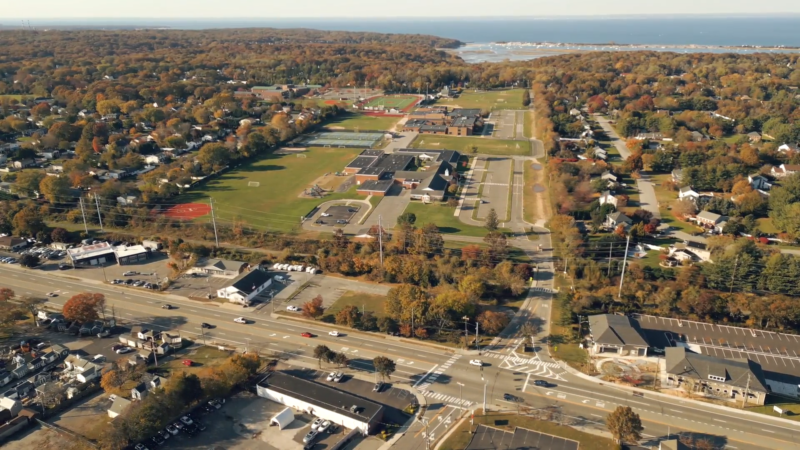
Leading energy infrastructure solutions provider Ameresco recently announced a comprehensive energy project with Mount Sinai School District in New York. Rooftop solar PV arrays will be installed at the schools, along with other measures such as replacing old lights with LEDs and replacing existing transformers. The new energy equipment will provide live energy data, which can be used in the schools’ STEM curriculum. The expected project completion date is the end of 2027.
Lou Maltezos, Co-President of Ameresco, answered some project questions for CleanTechnica.
For the school district, what is the biggest money saver when energy technology is upgraded?
The solar photovoltaic (PV) array is the largest cost-saving measure, delivering just over $202,000 in annual savings.
Will each school get rooftop solar power and if so, what will be the capacity of each installation?
Yes, each school will receive rooftop solar, with systems of similar scale:
- High school: ~523.9 kW DC
- Middle school: ~570.5 kW DC
- Elementary school: ~494.4 kW DC
What is the expected lifespan of the solar power arrays? About how much can they save over their lifetimes instead of only using utility electricity?
Expected lifespan:
- Minimum 30 years, with performance still at ~87.4% after year 30
- 25-year product warranty
Lifetime savings:
- Based on current estimates, the district is expected to save approximately $9.48 million over 30 years through solar generation compared to relying solely on utility electricity.
What will the cost of the arrays be and how long does it take to install them?
Total solar array cost: approximately $5.28 million across all three schools
Installation timeline:
- Panel installation: 6–8 weeks
- Full project timeline (including utility interconnection, inspections, etc.): ~6 months total
How many jobs will be created during the energy work you will conduct? Or how many of your employees will do the work?
All major trades are expected to be locally sourced, supporting regional economic activity.
How will the energy work relate to STEM programming?
The project will support STEM learning through a state-of-the-art data acquisition system that enables:
- Real-time monitoring of solar production
- Student analysis of seasonal and weather-related performance changes
- Hands-on data use for STEM curricula across grade levels.
Sign up for CleanTechnica's Weekly Substack for Zach and Scott's in-depth analyses and high level summaries, sign up for our daily newsletter, and follow us on Google News!
Have a tip for CleanTechnica? Want to advertise? Want to suggest a guest for our CleanTech Talk podcast? Contact us here.
Sign up for our daily newsletter for 15 new cleantech stories a day. Or sign up for our weekly one on top stories of the week if daily is too frequent.


CleanTechnica uses affiliate links. See our policy here.
CleanTechnica's Comment Policy

