
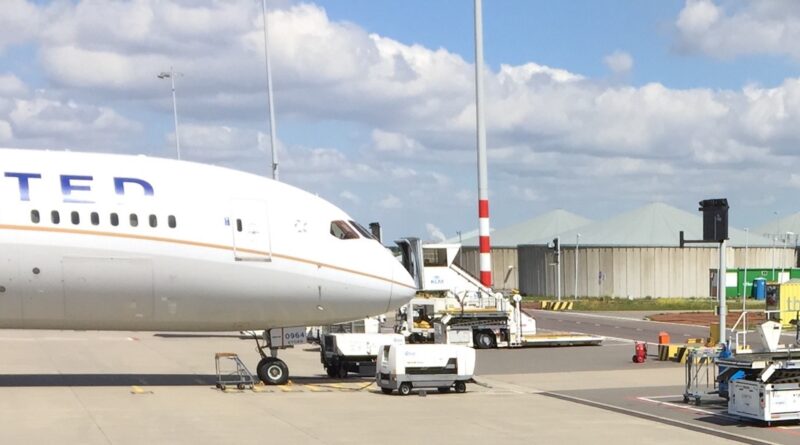
Economics of Air Transport in Europe
Support CleanTechnica's work through a Substack subscription, on Patreon, or on Stripe. Help us produce all of the high-quality, original content we publish week after week despite the challenges of content-scraping AI, antisocial media, inflation, and other hurdles.
Examining fair distribution of costs & benefits from air transport for tourism.
Since 2010 tourism has grown rapidly across Europe, facilitated primarily by growth in air transport. Significant further growth of air traffic is forecast, boosted by airport expansion and gaps in aviation taxation. The air transport industry claims to bring positive economic impacts from tourism, while downplaying any negatives such as those associated with overtourism.
 Growth in the hospitality sector, fostered by international air tourist arrivals, creates jobs and profits but has failed to deliver either productivity improvements or real wage increases. Rather, it has delivered aggregate growth in returns to capital (particularly large businesses), land and property owners, at the expense of renters, local communities, and the environment.
Critically overlooked is the wider economic cost of the high property prices that result from mass air tourism. Higher rent prices can erode the welfare of low-income households, increasing their costs and trapping them in undesirable accommodation. Moreover, research shows that property prices can harm the productivity of other economic sectors and encourage misallocation of finite capital and labour into rent-seeking and low productivity sectors.
Both tourism-sending and -receiving regions appear to be accepting a high environmental and social cost in exchange for a limited, and unequally distributed, economic and social return.
Recommendations
For regions relying on economic growth driven by air travel and tourism, yet approaching a saturation point for tourist inflows, there exists a tension between short-term economic gains and the long-term health of the economy, welfare of local communities and the environment. In this light, and in view of the EU Sustainable Tourism Strategy, there is a strong case for Europe to rethink its strategies for air transport and tourism:
- Conduct a critical review of key tourism impact domains in assessments of airport capacity and aviation taxation policies, including property and rent prices, and distribution of economic value creation across social groups and types of businesses, with an equity lens.
- Reduce international air arrivals to help slow the rise of house and rent prices faced by households, and to help redirect investment into productive economic sectors. In regions approaching tourism saturation, halt airport expansions.
- Reconsider strategies for tourism and transport connectivity to support equitable value creation, such as prioritising international rail arrivals and domestic tourism for better geographical distribution; directing spending to locally-owned businesses; and improving wages and productivity in the hospitality sector.
Download: T&E briefing and Study by the New Economics Foundation part 2: Air transport and Tourism.
Article from T&E.
Sign up for CleanTechnica's Weekly Substack for Zach and Scott's in-depth analyses and high level summaries, sign up for our daily newsletter, and follow us on Google News!
Have a tip for CleanTechnica? Want to advertise? Want to suggest a guest for our CleanTech Talk podcast? Contact us here.
Sign up for our daily newsletter for 15 new cleantech stories a day. Or sign up for our weekly one on top stories of the week if daily is too frequent.


CleanTechnica uses affiliate links. See our policy here.
CleanTechnica's Comment Policy

