
Solid-State Battery Milestones Appear Encouraging For Near Future
Support CleanTechnica's work through a Substack subscription, on Patreon, or on Stripe. Help us produce all of the high-quality, original content we publish week after week despite the challenges of content-scraping AI, antisocial media, inflation, and other hurdles.
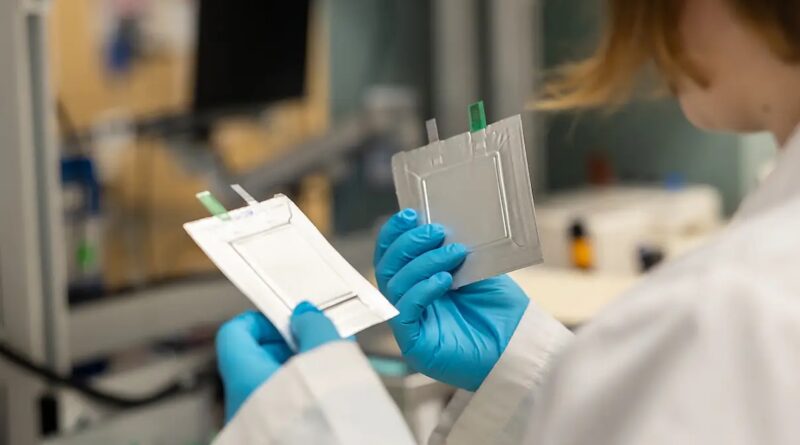
Solid-state batteries for electric vehicles potentially have some significant improvements over lithium-ion and lithium-ion-phosphate batteries. They are less prone to combustion, can charge faster and can provide longer driving ranges.
Some progress recently has been made with solid-state batteries:
February 5: Karma Automotive agreed with Factorial Energy to launch the first US passenger vehicles solid-state battery production program.
February 4: Volkswagen Group-backed QuantumScape inaugurated the Eagle Line, a California production line.
September: Mercedes drove an EQS test vehicle with lithium metal solid-state batteries about 749 miles on one charge.
2026: Chery Automobile will conduct some solid-state pilot testing.
2027: Toyota may launch EVs with solid-state batteries in 2027 and in 2028. However, Toyota has made some past announcements about EVs that may have been overly optimistic.
BYD may produce some premium models with solid-state batteries.
2028: Apparently, Nissan is building a pilot solid-state battery plant for commercial launch.
2030: BMW may have a commercial introduction in the 2030s.
In the next five to ten years, the battery market hierarchy may begin to look like this:
- Solid-state
- Lithium-ion, lithium-iron-phosphate, and nickel/manganese
- Sodium-ion
“Even the first movers should only sell limited volumes of SSBs this decade due to the high costs and limitations in production ramp-up. Only at the beginning of the next decade should we see the first automakers achieving higher production volumes of SSBs. Manufacturing technology and economies of scale will be crucial in bringing down the cost,” said Gartner Vice President of Research Pedro Pacheco.
When solid-state batteries enter the EV market there will be more options for EV manufacturers to use in particular EV lines. If solid-state batteries cost more initially and provide greater range they may be used primarily for premium and more expensive EVs. Lithium-ion, lithium-iron-phosphate and nickel/manganese may be used for the mid-range cost EVs with adequate range and the lower cost/lower range EVs may utilize sodium-ion batteries.
Of course, no one knows precisely what the timing will be, but at least there will likely be greater battery options available in the next five years. With increased competition, the overall trend to have cheaper and cheaper batteries may also continue.
Sign up for CleanTechnica's Weekly Substack for Zach and Scott's in-depth analyses and high level summaries, sign up for our daily newsletter, and follow us on Google News!
Have a tip for CleanTechnica? Want to advertise? Want to suggest a guest for our CleanTech Talk podcast? Contact us here.
Sign up for our daily newsletter for 15 new cleantech stories a day. Or sign up for our weekly one on top stories of the week if daily is too frequent.


CleanTechnica uses affiliate links. See our policy here.
CleanTechnica's Comment Policy

