

Wind Energy in the Philippines Picks Up Speed in South Luzon
Support CleanTechnica's work through a Substack subscription, on Patreon, or on Stripe. Help us produce all of the high-quality, original content we publish week after week despite the challenges of content-scraping AI, antisocial media, inflation, and other hurdles.
Batangas and Mindoro Emerge as Key Sites in
Philippine Offshore Wind Energy Development
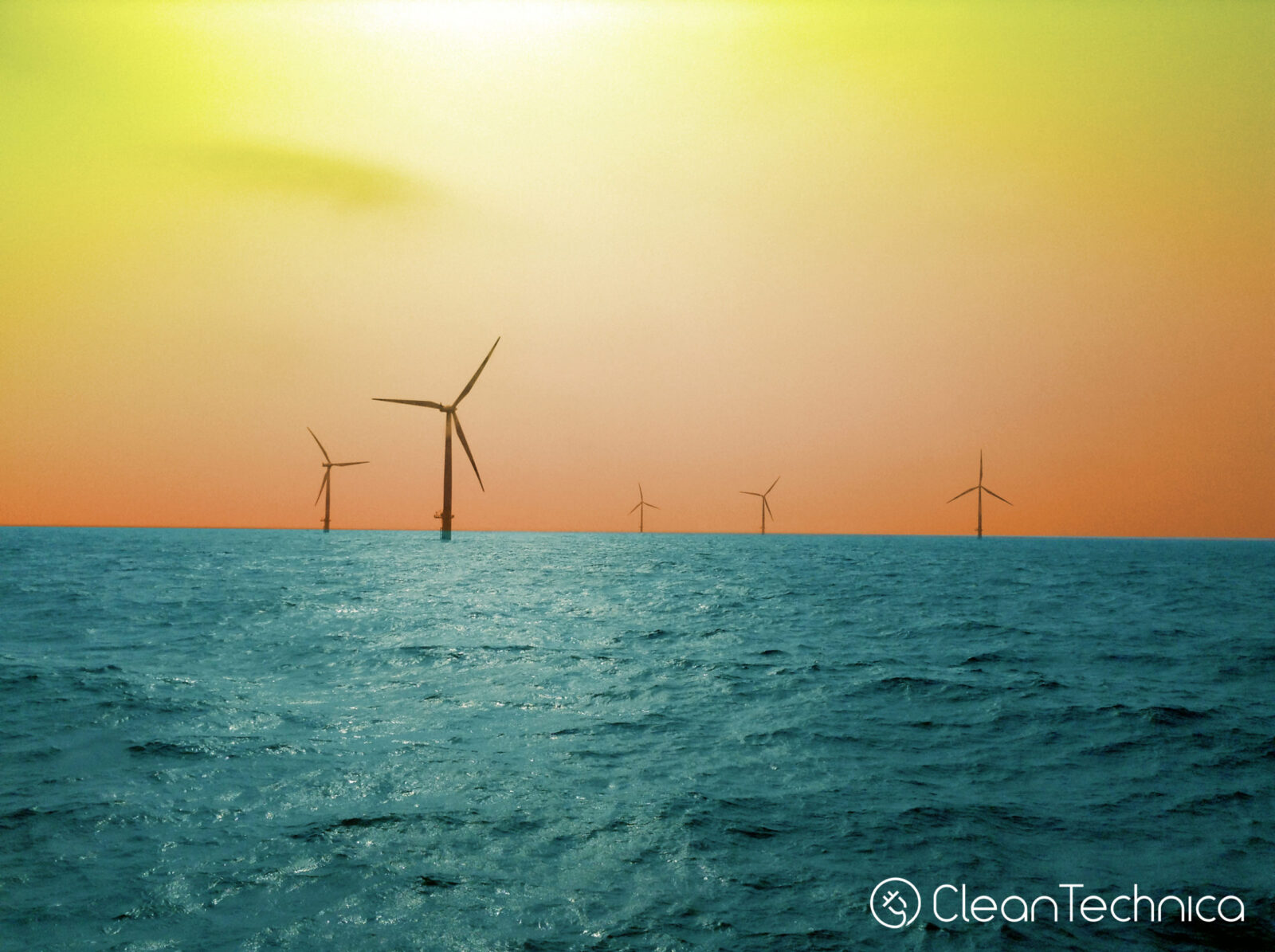
The Philippines, driven by global climate change initiatives and the need for energy security, is rapidly advancing its renewable energy sector, with a shifting focus on offshore wind. Though the number of onshore and inland wind turbines tripled since 2016, there are currently no operational offshore energy wind turbines in the country.
But most of the onshore wind energy is located within the National Capital Region and the northern Luzon provinces, also known for their medium to high wind concentrations. Estimated power generation is up to 3 gigawatts (GW). Manila (in the Bataan peninsula) also has offshore wind projects just outside of the shipping lanes, with a potential of about 1 GW to 2 GW.
The provinces of Mindoro and Batangas, both facing the West Philippine Sea, however, have a combined potential of 33 GW, if World Bank studies are accurate. This makes the two provinces critical hubs for this offshore wind development. It is important to note that both islands have strategically positioned ports. They are also seen as the most developed in terms of potential port development, road infrastructure, land use, and cooperation of local governments for the commissioning of offshore wind farms.
Government initiatives, based mostly on the World Bank’s voluminous Philippines Offshore Wind Roadmap and the Philippine Energy Plan 2023–2050, have underscored the importance of offshore wind in meeting the country’s energy targets. Batangas’ geographical advantages, combined with proactive national and local efforts, are propelling the region to the forefront of this industry.

Several large-scale offshore wind projects are in various planning and pre-construction phases in Batangas. The Balayan Bay II Offshore Wind Energy Project, with a planned capacity of 750 MW and a target commissioning year of 2033, has secured a Wind Energy Service Contract (WESC) from the Department of Energy. This project highlights the region’s potential for significant clean energy generation. The developers associated with the Balayan Bay area include Clean Tech Global Renewables and First Gen Corporation. Though, it’s important to note the potential distinction between the Balayan Bay II project and the Balayan Bay Wind Power Project.
Corio Generation aims to develop projects in the Batangas-Mindoro region, contributing to their overall goal of 3 GW of offshore wind capacity in the Philippines. Their deployment of Light Detection and Ranging (LiDAR) systems demonstrates their commitment to thorough resource assessment. While some of Corio’s other Philippine projects have received expedited permitting, the Batangas–Mindoro projects are still in earlier planning stages. Corio intends to participate in upcoming renewable energy auctions, further solidifying their regional plans. Their development pipeline includes both fixed-bottom (2 GW) and floating (1 GW) wind projects.
BlueFloat Energy, focusing on floating offshore wind technology, has secured WESCs for development zones, including South Luzon, which encompasses the Batangas/Mindoro corridor. Their project just outside the shores of Calapan in the island of Mindoro faces the beaches of Batangas and is estimated to have a capacity of around 1.5 GW.
Basic Energy Corp. (BEC) is also contributing to the region’s wind energy development with the Balayan Nearshore Wind Power Project. This project, located near the Calatagan Peninsula, is expected to have a generation capacity of 140 to 168 MW. Basic Energy is also advancing an onshore wind project in Mabini, Batangas, in partnership with Renova Inc.
The development of these projects is a multi-stage process, involving extensive planning, environmental assessments, and infrastructure development. While timelines vary, the commitment from both local and international entities solidifies Batangas’s role in the Philippines’ renewable energy future. The region’s strategic location, coupled with favorable wind resources and growing industry momentum, positions Batangas as a key driver in the nation’s transition to clean, sustainable energy.
Sign up for CleanTechnica's Weekly Substack for Zach and Scott's in-depth analyses and high level summaries, sign up for our daily newsletter, and follow us on Google News!
Have a tip for CleanTechnica? Want to advertise? Want to suggest a guest for our CleanTech Talk podcast? Contact us here.
Sign up for our daily newsletter for 10–15 new cleantech stories a day. Or sign up for our weekly one on top stories of the week if daily is too frequent.


CleanTechnica uses affiliate links. See our policy here.
CleanTechnica's Comment Policy

