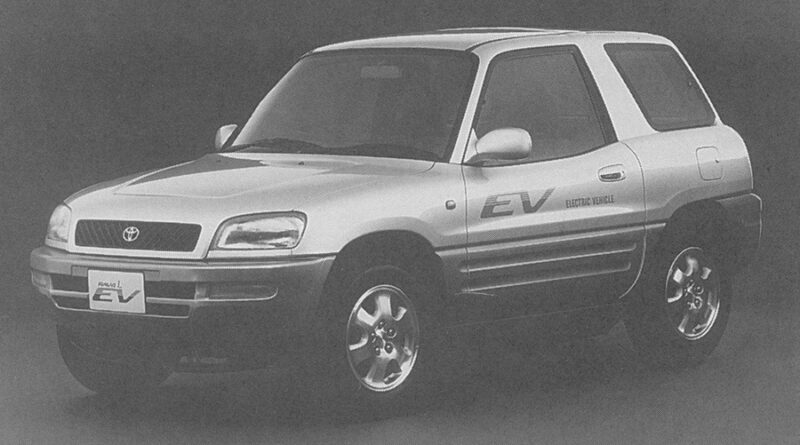
The RAV-4 Was An EV Experiment That Continues To Be One

WHEN Hiroshi Okuda assumed the presidency of Toyota Motor Corporation in 1995, he fundamentally shifted the automaker’s global strategy. Recognizing the pressure of California’s impending zero-emission mandates and the long-term threat of petroleum depletion, Okuda demanded that Toyota accelerate its environmental vehicle programs from theoretical research into market-ready reality. Under … [continued]

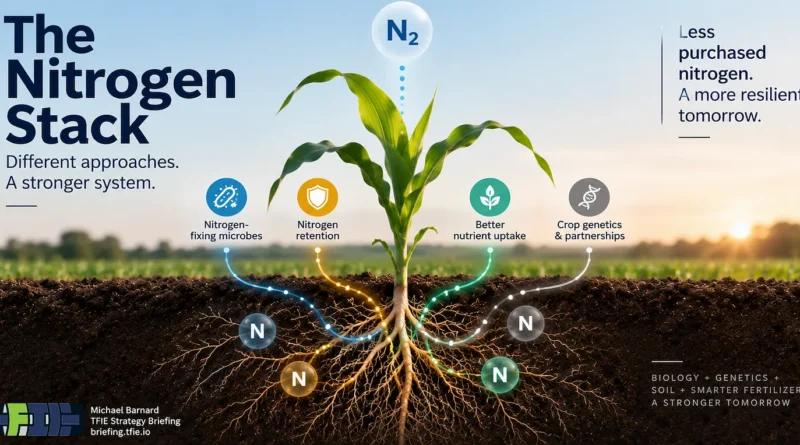
Farming’s Nitrogen Future Will Be Built From Several Technologies, Not One

Modern farming depends heavily on nitrogen fertilizer because crops need nitrogen to build proteins, chlorophyll and ultimately yield, yet most major crops cannot directly use the nitrogen gas that makes up most of the atmosphere. Farmers have to buy nitrogen in forms plants can use, generally through ammonia, urea and … [continued]

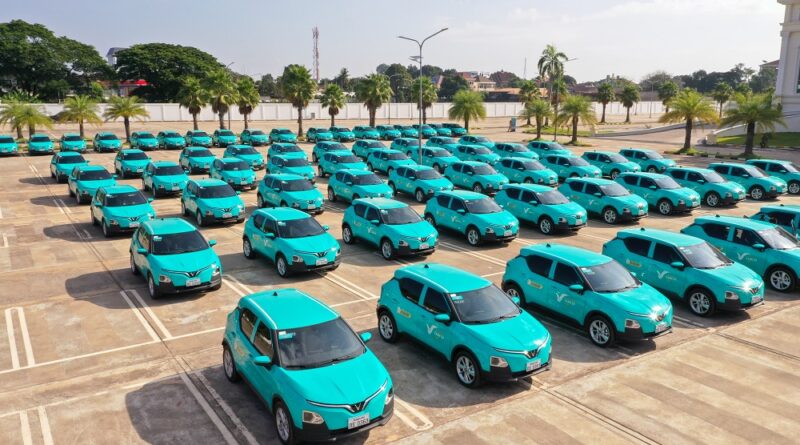
BYD to Assemble Vehicles in Malaysia

BYD Malaysia has selected Inokom Corporation Sdn. Bhd., a subsidiary of Sime Motors based in Kulim, Kedah, as its local assembly partner. The move marks a key milestone in the electric vehicle manufacturer’s strategy to assemble completely knocked-down vehicles within the country. The collaboration was formalized through the signing of … [continued]

Still Smoking: The PHEV Emissions Scandal Continues

Summary Analysis of official 2024 real-world data reveals that plug-in hybrid electric vehicles (PHEVs) continue to exhibit a widening gap between real-world performance and official WLTP (Worldwide Harmonised Light Vehicle Test Procedure) testing values. On average, real-world emissions for 2024 PHEV models were nearly six times higher than official figures. The … [continued]

If Modern Agriculture Were a Person, It Would Be a Sociopath: Can Regenerative Farming Save…

Naming the problem: A sociopathic agricultural system There is a great paradox in modern agriculture. The agro-industrial sector is feeding people while harming society and starving the planet. In 1962, one farmer fed 25.8 persons; today, it is 155.[1] But according to the UN, global agrifood systems incur roughly $12 … [continued]