UC Berkeley

An electron microscope image of single-celled methanogens, members of the archaea domain. They are ubiquitous in oxygen-free environments, turning simple foods into methane, a potent greenhouse gas. Alienor Baskevitch/UC Berkeley

Scientists Hack Microbes to Identify Environmental Sources of Methane

UC Berkeley researchers tweaked a key enzyme involved in microbial methane production to understand the unique fingerprints of different environments on Earth that generate the greenhouse gas. By Robert Sanders Roughly two-thirds of all emissions of atmospheric methane — a highly potent greenhouse gas that is warming planet Earth — come … [continued]

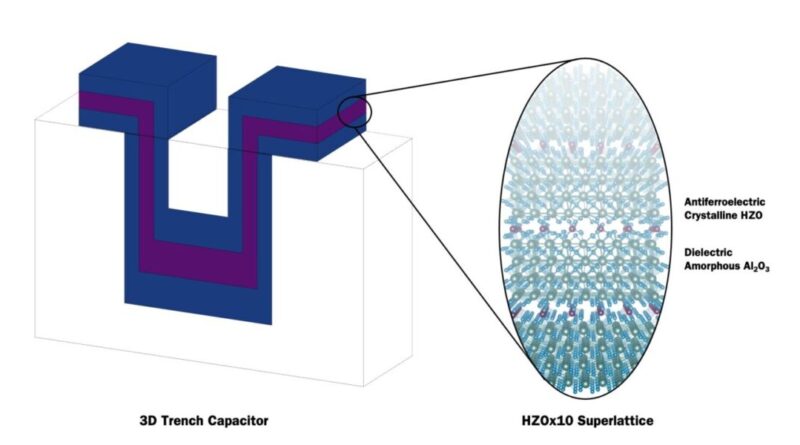
Image: (Credit: Nirmaan Shanker/Suraj Cheema)Lawrence Berkeley National Laboratory (Berkeley Lab) nbsp;

Groundbreaking Microcapacitors Could Power Chips of the Future

Scientists developed microcapacitors with ultrahigh energy and power density, paving the way for on-chip energy storage in electronic devices In the ongoing quest to make electronic devices ever smaller and more energy efficient, researchers want to bring energy storage directly onto microchips, reducing the losses incurred when power is transported … [continued]

The Transformation of Africa’s Energy Sector

Originally published by UC Berkeley Goldman School of Public Policy To meet the development needs of a growing population, Africa’s electricity sector requires a major transformation. Despite important changes over the past decade, efforts to expand and modernize the sector need to be redoubled. Indeed, current electrification rates, generation-capacity levels, … [continued]

2035: Clean Grid 90%, Electrify 50%

For those deeply interested in our future energy system and how it will evolve, I highly recommend two in-depth papers published in the last year. Here I will show a similar vision step-by-step using some of the same assumptions and publicly available data using “back of the envelope calculations” (spreadsheets).