The US Can Still Make Tidal Energy Happen
A new round of tidal energy activity is beginning to surface in the US, including a plan to install slim, powerful tidal turbines from the Scottish firm Orbital Marine Power in Washington State.

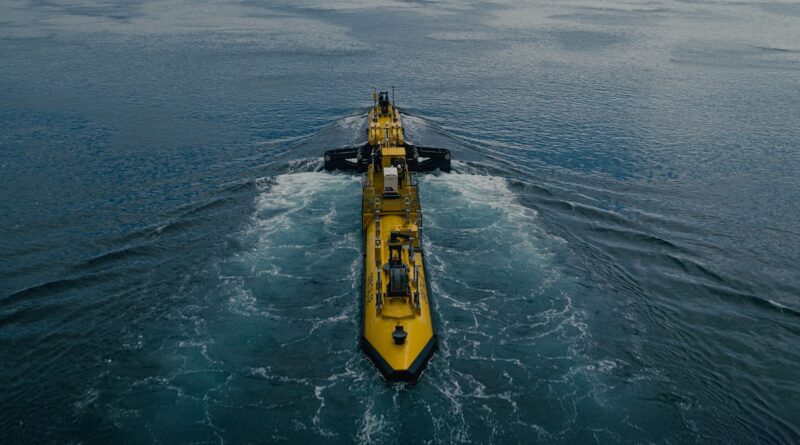
A new round of tidal energy activity is beginning to surface in the US, including a plan to install slim, powerful tidal turbines from the Scottish firm Orbital Marine Power in Washington State.

A newly announced collaboration between the US and Norway reveals that marine energy somehow made the list of US President Trump’s preferred energy resources under the “American Energy Dominance” plan.
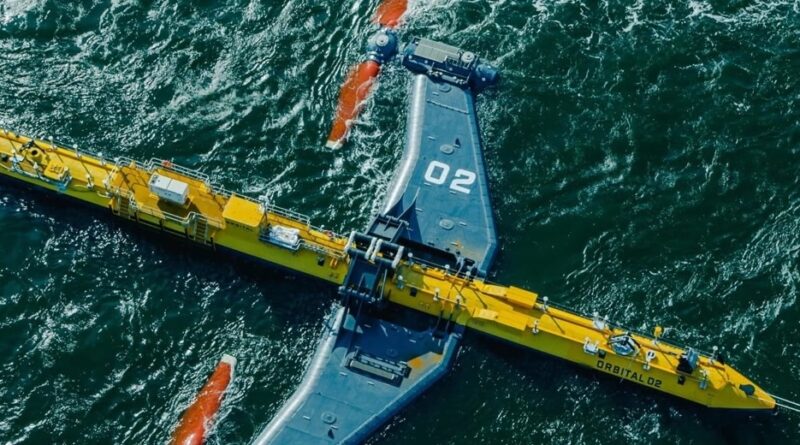
The US could be among the first nations to install a new floating tidal energy turbine billed as the largest tidal device of its kind in the world, though that may depend on the results of the next Presidential election.
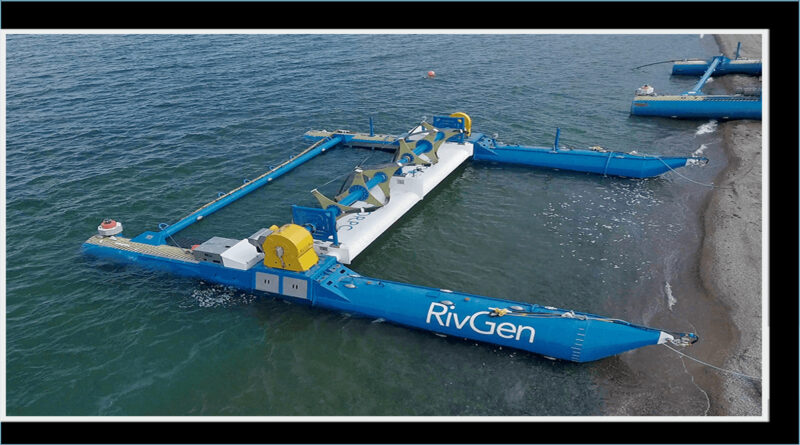
When the sun rises on America each day, it hits Eastport, Maine — the easternmost point of the continental US — first. Eastport is a small community of 1300 hardy people who live on an island on the edge of the Bay of Fundy. If you are looking to be … [continued]
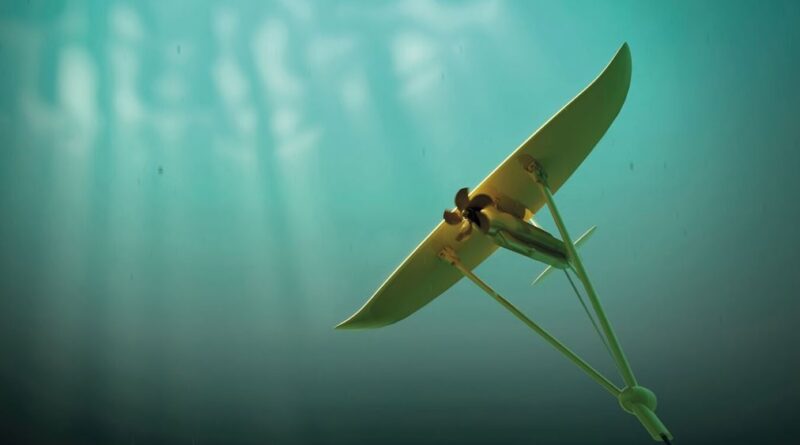
The secrets of tidal energy are finally beginning to crack open, as demonstrated by an ambitious 200-megawatt tidal project in the Faroe Islands featuring new “Dragon Class” kite-style underwater turbines.
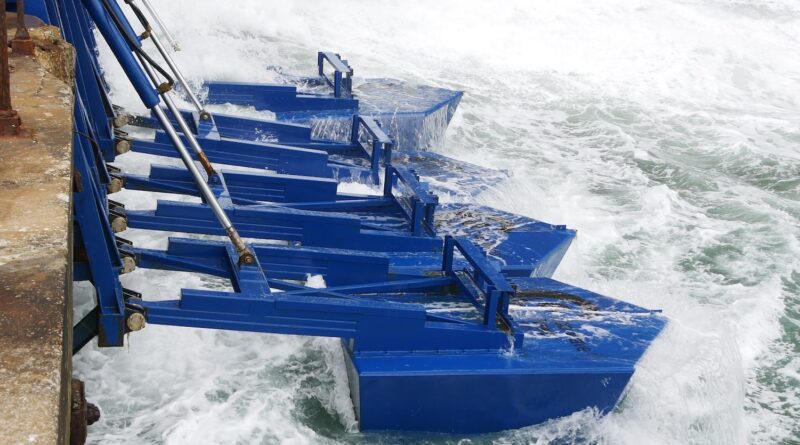
US lawmakers propose a new $1 billion funding pot to stimulate launch the domestic marine energy industry into the big leagues of the renewable energy transition.

The Turbine Will Collect and Share Data To Deepen Our Understanding of Tidal Energy To innovate in marine energy requires some extracurriculars: turning wrenches at the barge, conducting trial runs in the wave pool, and talking through ideas with a supportive team. All this appeals to University of New Hampshire … [continued]

The 1,300 people who call Eastport, Maine, home live in the easternmost point in the continental United States. The bridged island, connected to the mainland by a single causeway, faces powerful Atlantic Ocean winds and is susceptible to disruptive power outages. But it was not always that way. The city … [continued]

Much of Alaska is empty—of humans, at least. Vast tundra and forest separate cities and villages, dividing the state into more than 150 isolated power grids. The largest of these grids, known as the Railbelt, carries 70% of the state’s electrical energy to about three-quarters of its population. Today, that … [continued]
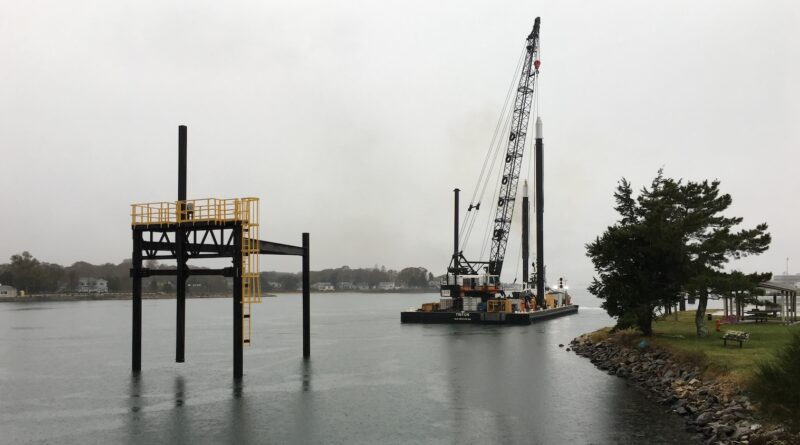
Tidal energy innovators are racing to harness renewable energy generated by the powerful force of the Moon on the oceans of the Earth.
