shipping

Future Proof Shipping Wasn’t Future Proof For Hydrogen Cargo

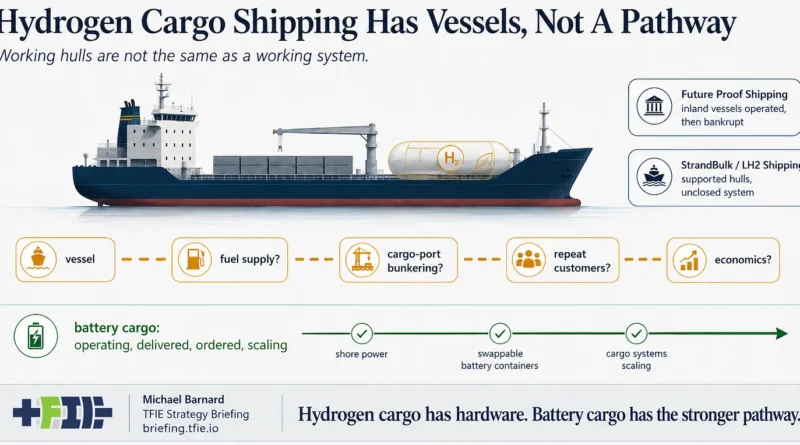
Future Proof Shipping gave hydrogen cargo shipping something most hydrogen shipping announcements never provide: working vessels. H2 Barge 1 and H2 Barge 2 were not artist renderings, conference-stage concepts or another memorandum of understanding. They were inland cargo vessels converted to hydrogen fuel-cell operation and put into real freight service … [continued]

Fossil Fuels Are 40% Of Freight Shipping Tonnage, But Half Its Fuel Use

Maritime fuel debates usually start with the wrong object. They look at today’s bunker fuel demand, line up replacement molecules, and ask whether ammonia, methanol, hydrogen, LNG, biofuels, or synthetic fuels can scale far enough to replace it. That sounds like a practical question, but it skips the larger one: … [continued]

Batteries Don’t Need To Electrify Every Ship To Reshape Shipping Fuels

A useful paper has landed in the Nature family on the techno-economics of electrifying short-sea shipping, and the result should make the maritime fuel debate a little less vague. The paper does not claim that every ship becomes battery-electric. It does not need to. It finds that by 2030 a … [continued]

Air Lubrication For Ships Is Real. The Air Still Isn’t Free.

The interesting part of Everllence and Silverstream’s Engine Supported Air Lubrication concept is not that ships can reduce drag by pushing air under the hull. That has been known for decades, and commercial systems are already in service. The interesting part is where the air comes from, because air lubrication’s … [continued]

Can Ship Design Stop Methane Emissions In Shallow Waters?

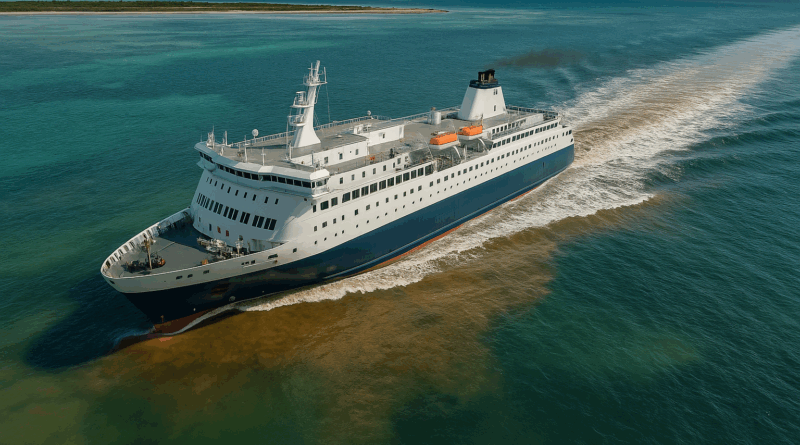
I was recently asked if reducing ship speeds is the only available solution to the methane emissions documented in a recent study from the journal Communications Earth & Environment. The research, focused on ship traffic in Neva Bay, Russia, revealed that vessels traveling faster than 12 knots with hull drafts … [continued]

Renewable-Powered Battery Swaps: Unlocking Ship Electrification At Global Canals

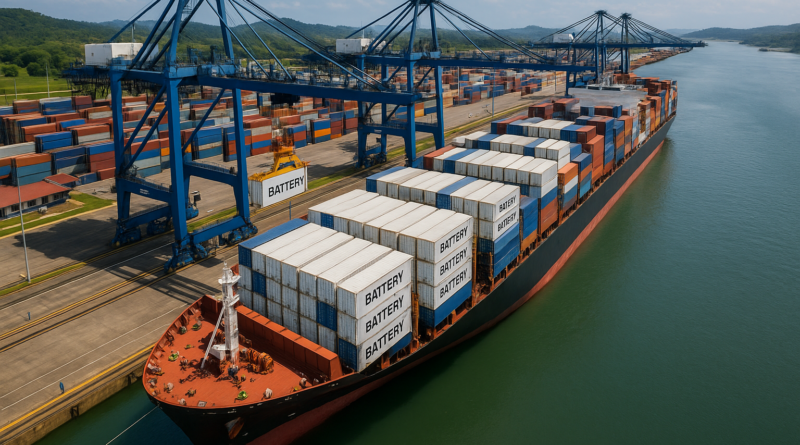
The Maersk McKinney Moller Institute published an analysis in late 2024 exploring the potential for battery-electric shipping. Their study rightly concluded that battery-powered ships are not only viable but increasingly competitive, driven by falling battery prices, rising energy density, and straightforward integration of battery containers onto vessels. They missed on … [continued]

Why Shipping’s Low-Carbon Future Relies More on Batteries & Biofuels Than Methanol

Maritime shipping, responsible for approximately 3% of global greenhouse gas emissions, stands at an unprecedented turning point. As we progress toward mid-century, decarbonization is no longer optional but mandatory, driven by stringent international regulations, including the International Maritimate Organization’s recent fuel carbon pricing decision and corporate sustainability commitments. This requirement … [continued]

Ports Plugging In: From Ground Vehicles To Ocean Shipping

Ports around the world face an enormous sustainability challenge. Currently responsible for approximately 3% of global carbon emissions, maritime operations and related logistics are under intense scrutiny to reduce their environmental impact. The 30-year roadmap outlined in my port electrification series provides a detailed, phased strategy to transition ports fully … [continued]