Scientists Search The Underside Of Glaciers For Clues To Sea Level Rise
Researchers are developing new techniques for studying glaciers to better understand how they interact with the oceans.

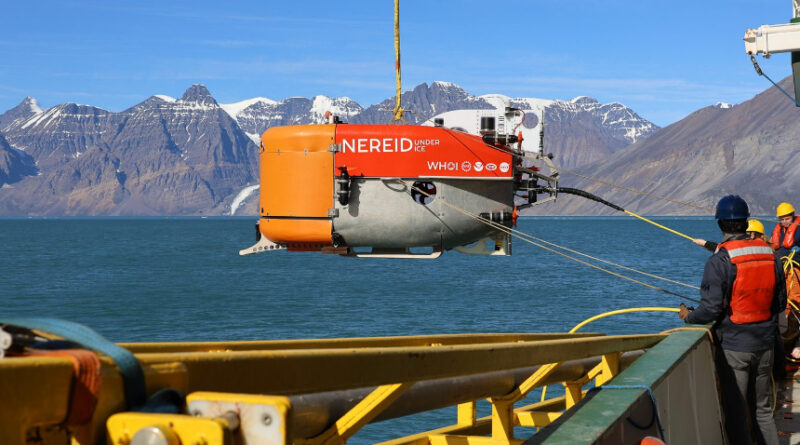
Researchers are developing new techniques for studying glaciers to better understand how they interact with the oceans.

In the Himalayas, not far from the base of Mount Everest, lies the Imja-Lhotse Shar Glacier, where David Rounce conducted his doctoral research. From 2013 to 2017, Rounce and his team visited Nepal to measure the glacier as it rapidly receded — and as the lake at its base grew. … [continued]

Mapping a large coastal glacier in Alaska revealed that its bulk sits below sea level and is undercut by channels, making it vulnerable to accelerated melting in an already deteriorating coastal habitat.
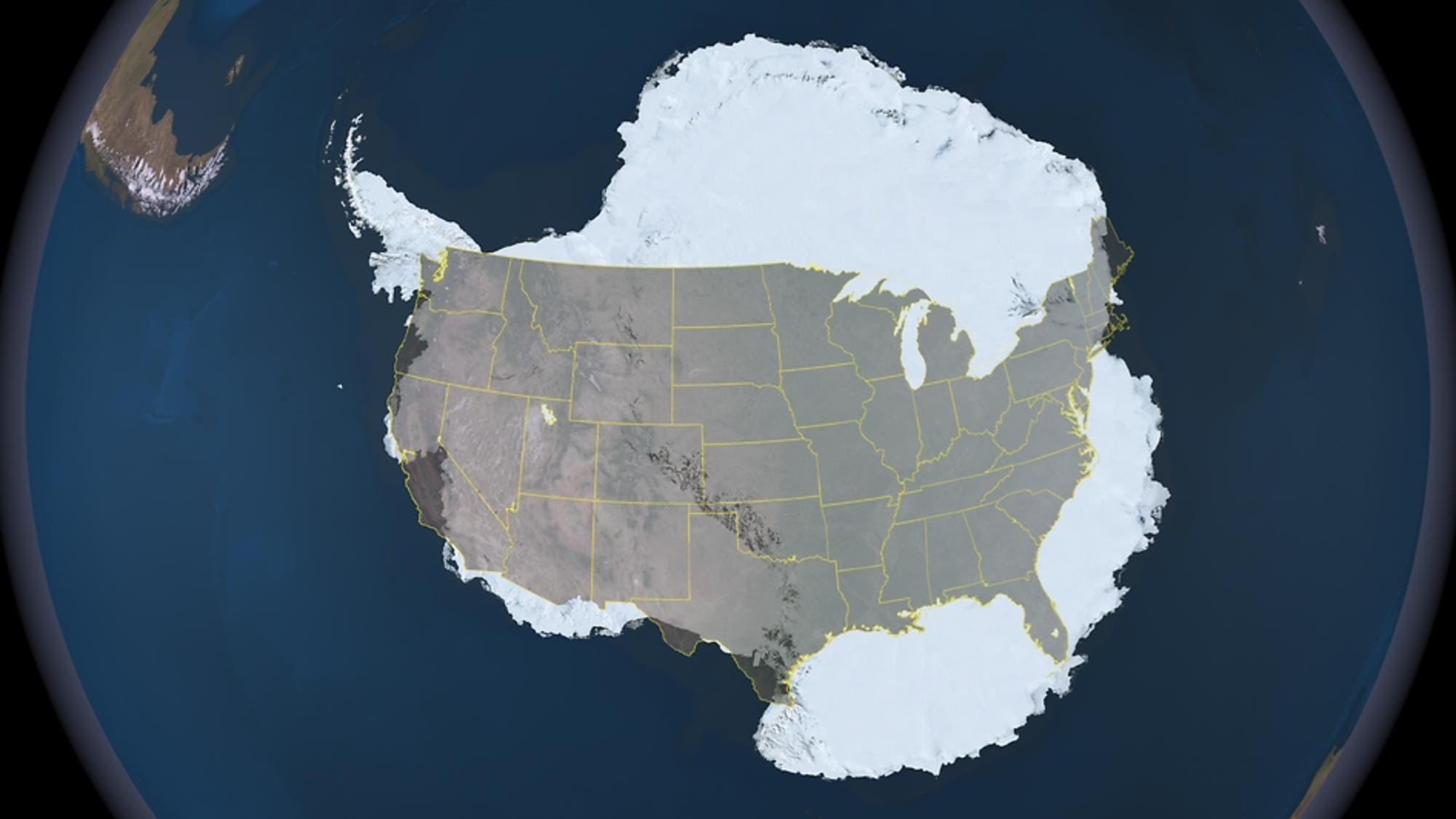
Climate researchers using sophisticated new tools are discovering what is driving changes in the Antarctica ice sheet.
As meltwater rushes through the cracks in the Antarctic ice shelves, it can destroy the ice shelves in minutes or hours. This is amplified by the warming atmosphere, and as the warming continues, this phenomenon may happen more often than not.
I served as a Peace Corps volunteer in Bolivia from 1964–1966. Being an avid skier from the Adirondack Mountains in New York, I wanted to test my skills at the highest ski resort in the world, Mount Chacaltaya, a 45-minute drive from the capital of Bolivia, La Paz. At 18,000 feet above sea level, Chacaltaya rises well above the tree line. A small shack at 12,000 feet, warmed by a wood stove, housed used skis, moldy leather boots, bags of salted yucca chips, and bottled water.
A new paper has emerged with fresh data from NASA providing a visual of Antarctica’s rapidly melting ice.
Every month, climate scientists make new discoveries that advance our understanding of climate change’s causes and impacts. The research gives a clearer picture of the threats we already face and explores what’s to come if we don’t reduce emissions at a quicker pace.
A new report by 84 climate scientists around the world warns that the pace of melting of the Antarctica ice sheet is accelerating. Sea level rise of 4 feet or more by the end of this century could be the result.
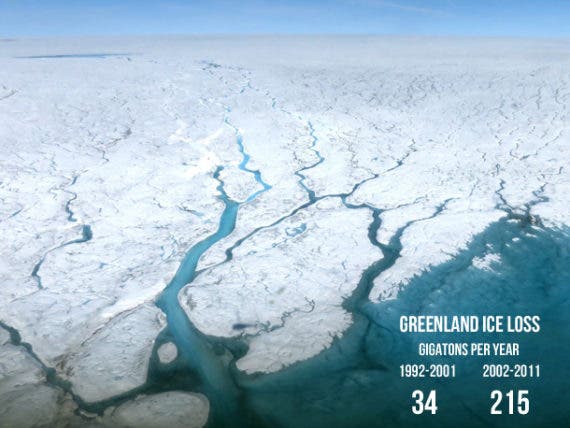
As the ice sheets of the world melt, an enormous amount of pressure will be lifted off of the continental crusts that play host to them, as well as the surrounding oceanic basins. Something similar is broadly true, but to a much lesser degree, of the world’s remaining large glaciers (think of the Himalayas).
