Aviation

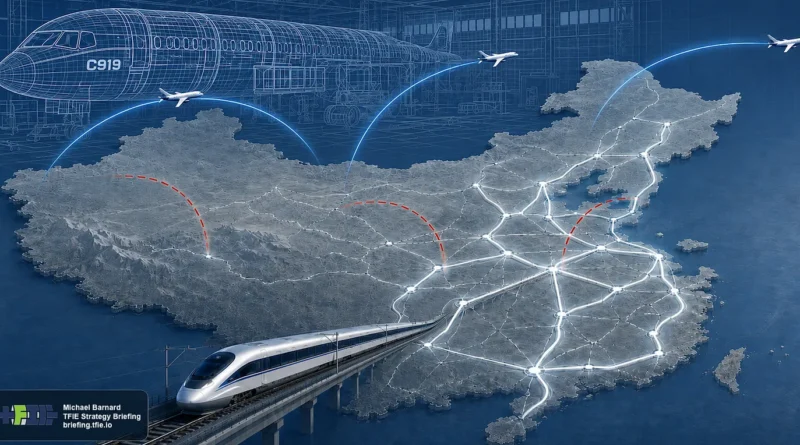
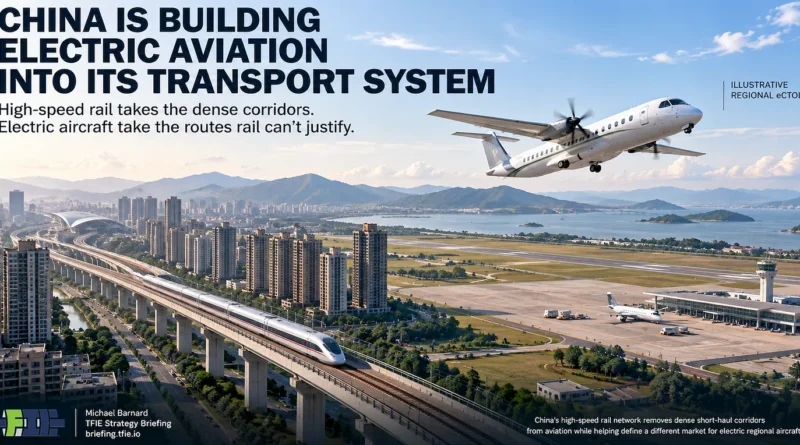
China’s Electric Aviation Advantage Is A Transport System, Not A Prototype

The electric-aviation contest is often presented as a race between aircraft startups. That is probably the wrong unit of analysis. An airplane that flies once, wins a certification milestone or accumulates a large order book has demonstrated something useful, but it has not demonstrated an industry. What matters is whether … [continued]

UK Trying to Advance Hydrogen Aviation. Likelihood by 2050 is still under 1%

The UK Civil Aviation Authority announced its latest Hydrogen Challenge in the same week as I published my updated assessment of hydrogen passenger aviation. The regulator is examining hydrogen-aircraft turnarounds at London City Airport, cryogenic hydrogen storage and airside supply, while its broader hydrogen aviation roadmap targets scaled operations for … [continued]

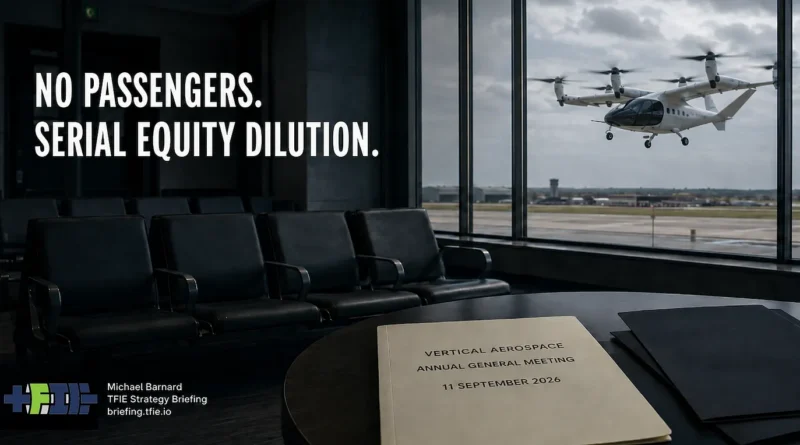
Vertical Aerospace’s eVTOL Can Fly. The Passenger Business Is Still Unproven

Vertical Aerospace’s July appearance at the Farnborough International Airshow was a real engineering milestone. The company publicly demonstrated piloted transition between vertical and wingborne flight, something a powered-lift aircraft has to do safely and repeatedly before certification can advance. Vertical then flew on successive days in front of a large … [continued]

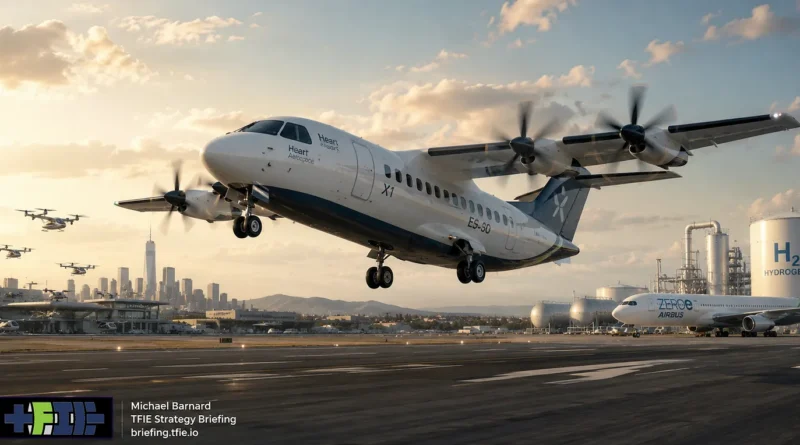
Heart Aerospace Just Flew The Aviation Transition Investors Should Be Putting Billions Into

Heart Aerospace’s X1 demonstrator flew for 27 minutes on August 12 from Plattsburgh International Airport, powered entirely by batteries. The aircraft has a 106-foot wingspan, weighed more than 25,000 pounds at takeoff and drew more than a megawatt at peak. Heart calls it the largest battery-electric aircraft ever flown. The … [continued]

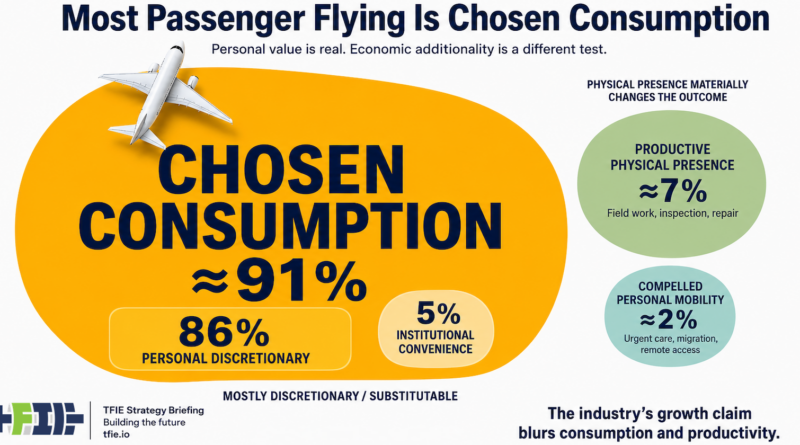
Aviation’s $4 Trillion Footprint Does Not Prove Every Flight Adds Growth

Aviation performs useful economic work. It connects remote communities, moves urgent and high-value cargo, brings visitors to places that genuinely depend on tourism and enables work that still requires people to be physically present with equipment, sites, customers or negotiating partners. Those are strong arguments for aviation as a service. … [continued]

China Is Making Boeing Optional

Boeing expects Chinese airlines to require 8,830 new commercial aircraft by 2043. That sounds like an enormous opportunity until the denominator is corrected. China is not starting with aircraft demand and asking which manufacturer should supply it. It is deciding how people should move, assigning dense corridors to electric rail, … [continued]

Aviation Fuel Demand Doesn’t Collapse. Cheap Kerosene Growth Does.

Aviation is one of the harder transition sectors to model well because it invites two bad shortcuts. One is to assume that flying keeps growing as it did in the cheap-kerosene era, with a cleaner molecule somehow dropped into the same demand curve. The other is to assume that decarbonization … [continued]

From Kitty Hawk to Supernal: The Shrinking Future of eVTOLs

Supernal’s decision to pause work on its eVTOL aircraft is a signal that the sector is entering a different phase. Hyundai created Supernal with strong funding, a long timeline, and a clear plan to bring a five-seat air taxi to market around 2028. If a global automaker with significant resources … [continued]

SAF Takes Off & Ticket Prices Follow: The Real Cost Of Greener Air Travel

A traveler books a long-haul flight from Frankfurt to Singapore and notices a line item labeled “Environmental Surcharge.” It’s not optional, and it’s not tiny. For most economy passengers, it adds somewhere between €6 and €20. In business class, it can go much higher. At first glance, this might seem … [continued]