If The White House Won’t Save US Farmers, Agrivoltaics Will
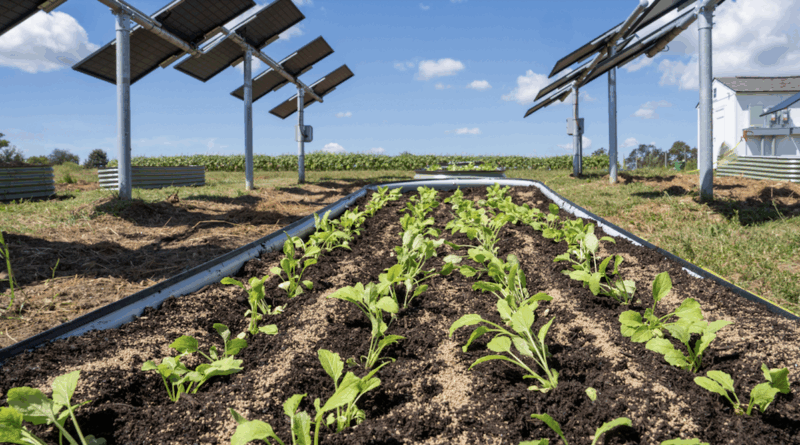
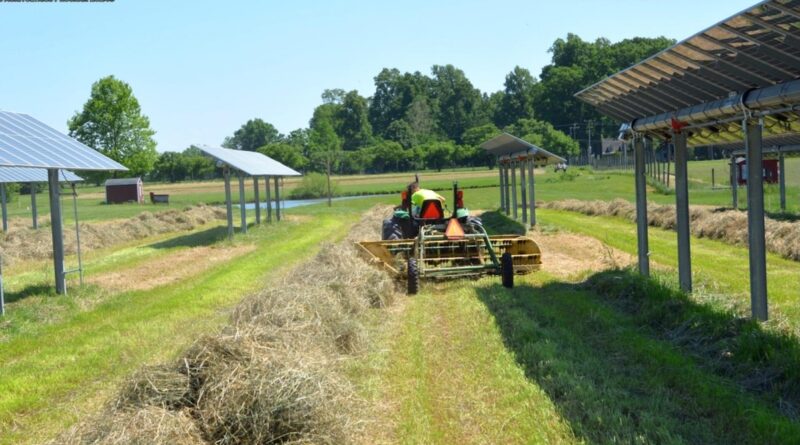
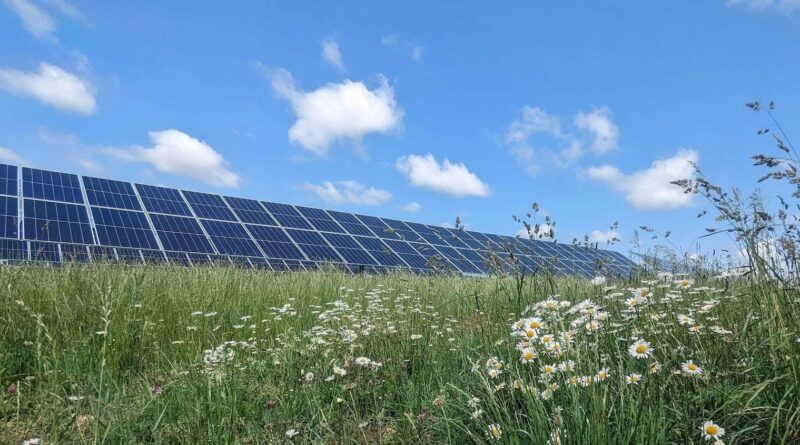
Agrivoltaic solar arrays provide space for grazing, crops, and other farming activities between rows of solar panels, helping to preserve farmland from real estate development.

 Agrivoltaic solar arrays provide space for grazing, crops, and other farming activities between rows of solar panels, helping to preserve farmland from real estate development (by Werner Slocum / National Renewable Energy Laboratory).
Agrivoltaic solar arrays provide space for grazing, crops, and other farming activities between rows of solar panels, helping to preserve farmland from real estate development.
New Jersey Governor-Elect Mikie Sherrill will zero in on solar power as the fastest, most economical way to add more electricity to the grid.
The EU Innovation Fund is supporting a new project that combines an agrivoltaic system with a wind turbine to produce green hydrogen.
EV batteries and solar panels are among the new clean technologies aimed at helping US farmers cut costs, improve crop yields, and improve livestock health, too.
Bifacial solar panels are among the new technologies at work to maximize the land use efficiency of agrivoltaic systems.
A small but mighty agrivoltaic project in Virginia aims to demonstrate that US farmers can successfully grow rows of food between rows of solar panels.
Despite the abrupt U-turn in federal energy policy, solar farming innovators continue to push the envelope on agrivoltaic practices that combine farm productivity with renewable energy generation, habitat restoration, and soil conservation.
Reactivate, American Farmland Trust, and Edelen Renewables Community Solar recently announced a new partnership: Farmers Powering Communities (FPC). The mission of Farmers Powering Communities is: “Bringing together those working to feed the planet with those working to power America.” The goal is to install 500 MW of community solar power … [continued]
 US solar energy developers continue to keep the clean power movement alive in the US, despite the sudden shift in federal energy policy.
US solar energy developers continue to keep the clean power movement alive in the US, despite the sudden shift in federal energy policy.
Silicon Ranch and Meta are bringing a new 100-megawatt solar power plant to South Carolina, along with a land stewardship plan for soil and habitat cultivation among the solar panels.