Carbon Pricing

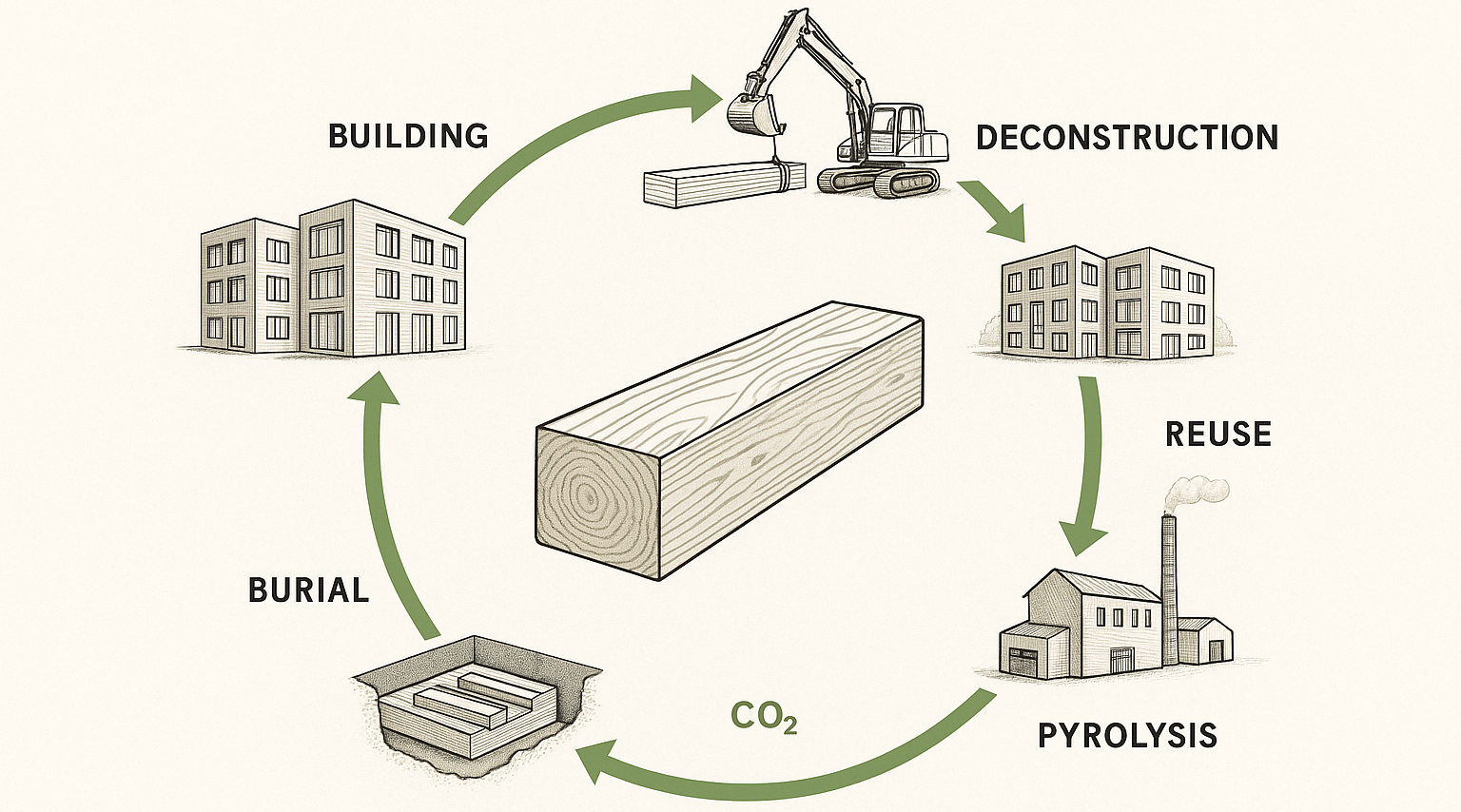
From Reuse To Burial: Managing Mass Timber Beyond The Building Stage

Mass timber has become a leading candidate for reducing the carbon footprint of construction. Its appeal lies in the way it displaces high emission materials like concrete and steel, and in the fact that it carries biogenic carbon stored from the atmosphere into buildings. That carbon advantage is only secure … [continued]

Why Canada Must Align Sequestered Carbon Accounting With Global Markets

When the small British Columbia, Canada, town of Lytton burned to the ground in 2021, it became a stark reminder of climate change and the risks facing communities built with conventional methods. The town experienced such an extreme of heat a day earlier that it broke records by 5° Celsius … [continued]

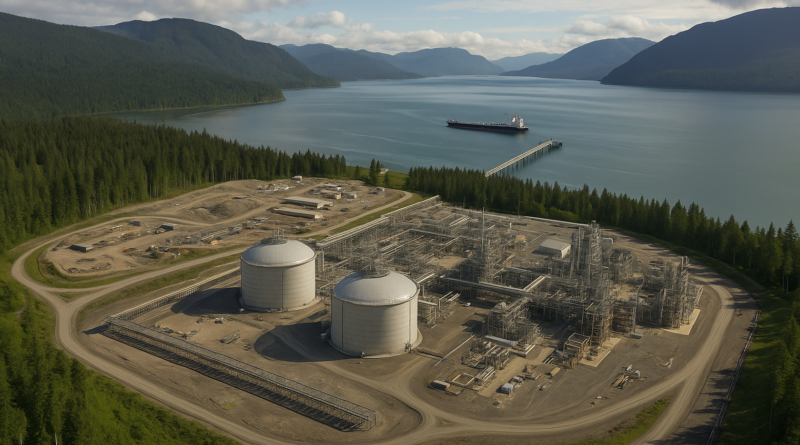
Billions In Subsidies Flow To LNG Canada As Kitimat Terminal Nears Launch

As Kitimat prepares to ship its first liquefied natural gas cargoes in the coming couple of weeks, billions more in subsidies and favorable fiscal treatment for fossil fuel infrastructure come sharply into focus, along with the 2.2 billion tons of greenhouse gases the facility will be responsible for over its … [continued]

IMO’s Crucial Moment: How Shipping Finally Started Tackling Climate Change

In the wake of the International Maritime Organization’s vote to price carbon in shipping fuels, I had the opportunity to sit down with an insider and expert on maritime decarbonization, Tristan Smith. He’s the former director of a maritime advisory services consultancy, UMAS, and professor at University College London. This … [continued]

Carney’s Challenge: Steering Canada through Housing, Climate, and Trump’s Trade Storm

On election night, Mark Carney stepped onto the stage with a blend of cautious optimism and measured pragmatism. As Canada’s new Prime Minister, the former Bank of Canada governor, UN climate envoy, and Brookfield executive and director offered a reassuring message to a nation facing multiple crises—economic, geopolitical, climatic, and … [continued]

Carney Takes The Helm: What’s Next for Canada’s Carbon Policy?

With Mark Carney stepping in as the new leader of the federal Liberal Party, Canada’s carbon pricing system faces a critical juncture. Long a proponent of market-driven climate policy, Carney inherits a system designed to reduce emissions while maintaining economic competitiveness. The current framework consists of a consumer-facing fuel charge, … [continued]

Cement Decarbonization Policy Makers Need To Understand All Levers

The global cement industry, long recognized as a backbone of infrastructure development, faces mounting pressure to reduce its environmental impact. Responsible for approximately 7–8% of global carbon emissions, cement production is one of the most carbon-intensive industrial processes. Yet, as climate policies tighten and innovation accelerates, the industry stands at … [continued]

World Moving On Without USA As It Declines

For the past eight years, the United States has been missing in action in climate leadership globally. Biden’s climate policy experiments, aimed as much at attempting to deal with the root causes of working class and middle class grievance as at useful emissions reductions, will persist in some diminished form. … [continued]

Methane Expert Rob Jackson Of Global Carbon Project Talks Solutions

Recently I had the opportunity to sit down with Rob Jackson, scientist, author, and director of the Global Carbon Project to talk cow burps, landfills, and shale oil, all in aid of the very big global warming problem that is methane. This is the second half of our conversation, lightly … [continued]

We Can’t Wait For Carbon Removal Technologies To Reduce GHG Emissions

In 2015 world leaders gathered in Paris and sang praises about their collective ability to set measured goals to stop anthropogenic climate change. Limiting global warming to 1.5°C would require “rapid and deep and in most cases immediate GHG emission reductions in all sectors,” the Intergovernmental Panel on Climate Change … [continued]