Batteries

T&E, European Metals, and RECHARGE Call on Co-decision Makers to Strengthen Battery Supply Chains in…

As negotiations on the Industrial Accelerator Act (IAA) progress, a joint letter by T&E, European Metals and RECHARGE calls on the integration of primary and recycled battery grade materials, as well as critical midstream components like pCAM and AAMs. The IAA is a first strong first step towards Europe’s industrial … [continued]
Grid Connection at European Ports & Airports: Solutions to Accelerate Transport Electrification

Imagine buying an electric van for your business, then discovering the cable connecting it to the grid won’t be installed for another ten years. That, roughly, is the position Europe’s ports and airports are in today. Brussels has told them, by law, to electrify but the grid needs to follow. … [continued]

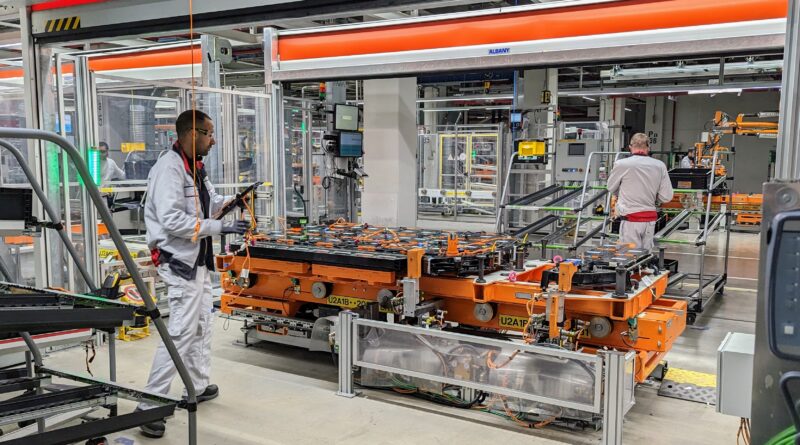
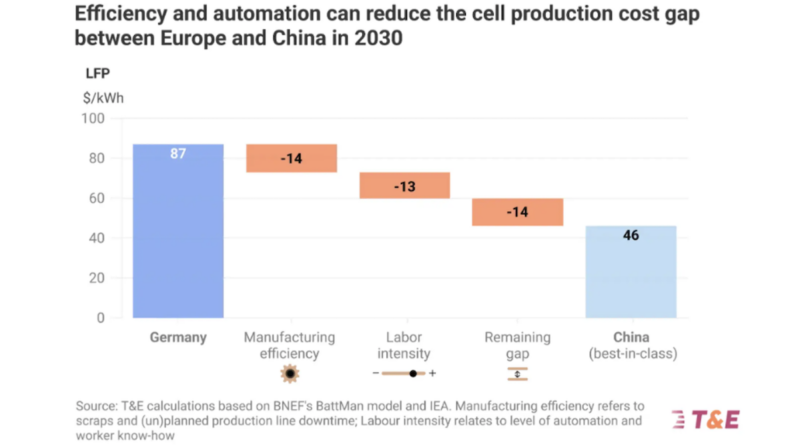
Ready to Scale: Europe Will Have Enough Cells to Meet Demand and Grow Its Domestic…

Made-in-EU requirements for all battery components would secure cell demand and investments in midstream production. New analysis on the feasibility of cell and cathode requirements¹, finds that by 2030 sufficient amounts of Made-in-EU cells will be available for the IAA scope — including corporate and private EVs falling under a … [continued]

GM Really Wasn’t Kidding About Those New LMR EV Batteries

Regardless of the sharp U-turn in federal energy policy, General Motors is on track to manufacture EV batteries based on an LMR formula that delivers improved performance at a lower cost.

Donut Battery Vindicated: Element Analysis Proves Battery Not Lithium Or Sodium

The latest release from Donut Lab’s “I Donut Believe” series is a surprise. Donut Lab has always used the proof series to puncture false claims and conspiracy theories. This one smashes lithium battery conspiracy theories. Truly, Ziroth is wrong. More and more, critics are clinging to falsehoods like cult followers … [continued]

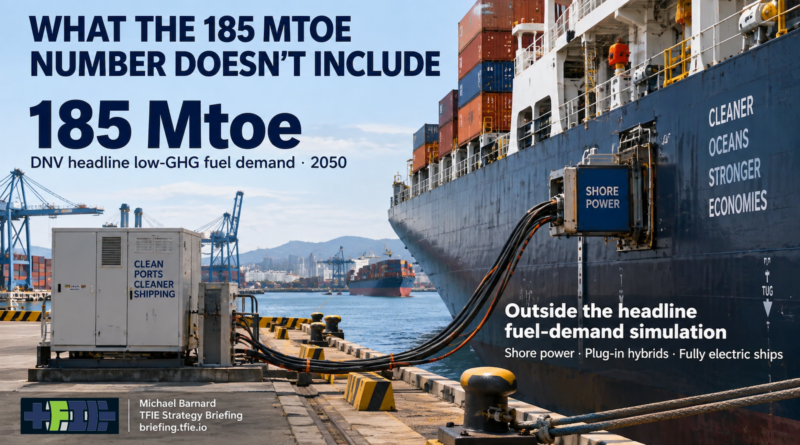
DNV’s 2050 Fuel Forecast Leaves Out Electrification

DNV’s new Maritime Forecast to 2050 puts a very large number on shipping’s future demand for low-carbon molecules. In its strongest global-regulation scenario, internationally operating ships above 400 gross tonnes require about 185 million tonnes of oil equivalent of low-GHG fuel in 2050, roughly 7.7 to 7.8 exajoules. That implies … [continued]