Mass Transit / Public Transit

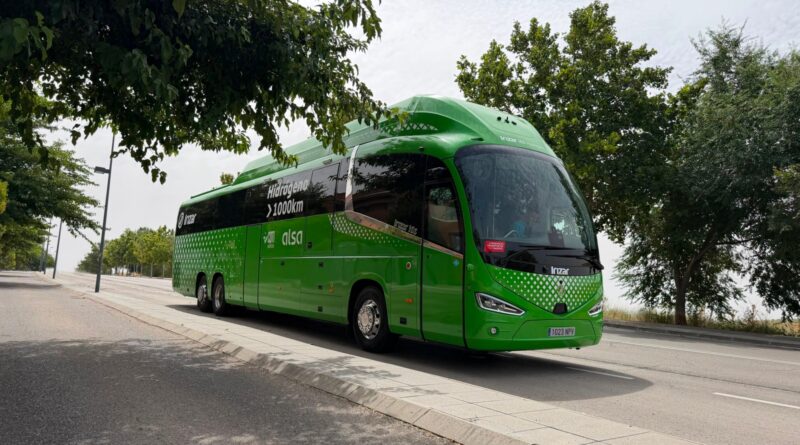
Aberdeen Paid £556k Per Hydrogen Bus. Five Years Later, First Bus Is Paying £30k

Aberdeen’s hydrogen double-deckers have finally produced a useful market price, and it is more revealing than another theoretical argument about fuel-cell efficiency, hydrogen costs or refuelling infrastructure. First Bus is set to buy 23 Wrightbus StreetDeck Hydroliners for £30,000 each. Aberdeen City Council originally spent about £13.9 million on the … [continued]
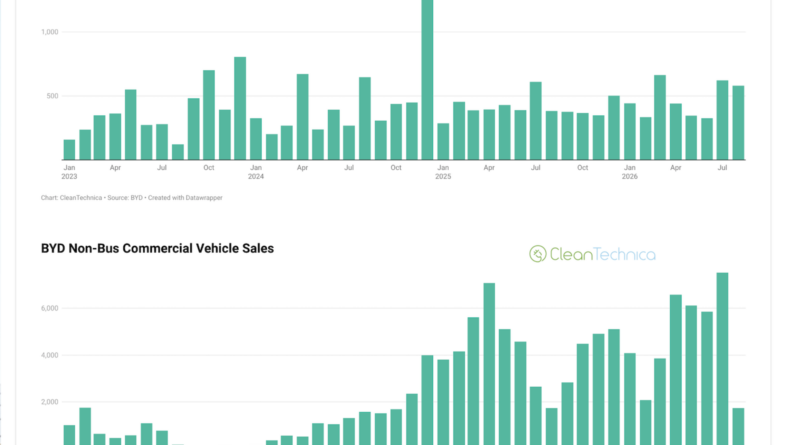
BYD Electric Bus Sales Up 51.8% in August

Following up on our report on BYD’s passenger vehicle sales trends, let’s have a look at what’s happening with its commercial vehicle sales. As a reminder, all of BYD’s commercial vehicles are full electrics. Starting with its bus business, BYD’s electric bus sales were down slightly month over month — … [continued]

VinFast Minio Green a.k.a VF2 Is A Superior Tiny EV

VINFAST is aggressively pursuing its electric vehicle ambitions, highlighted by the recent unveiling of the Minio Green, a micro-EV designed for the unique demands of urban mobility. This new model isn’t merely a concept; Vinfast  to bringing it to mass market, positioning it as a compelling four-wheeled alternative to motorcycles, … [continued]

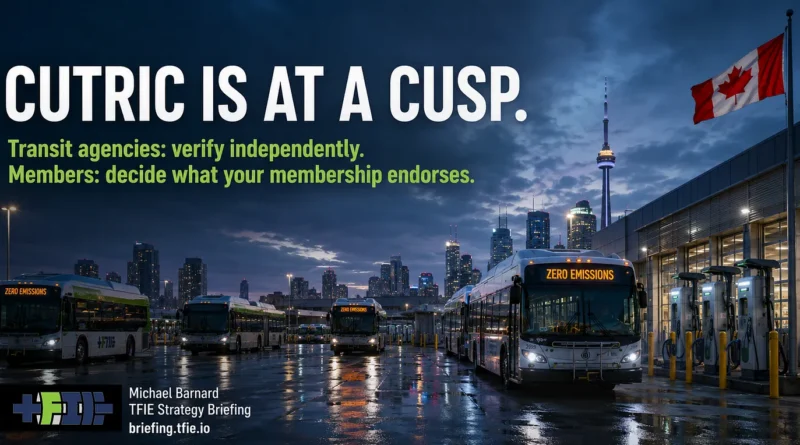
CUTRIC Has Lost The Right To Be Treated As A Neutral Transit Authority

CUTRIC has a credibility problem that extends well beyond its long enthusiasm for hydrogen buses. The underlying issue is whether an organization whose mission includes commercializing technologies should receive a presumption of neutrality when it advises transit agencies on investments worth hundreds of millions of dollars. After reviewing CUTRIC’s strategy, … [continued]

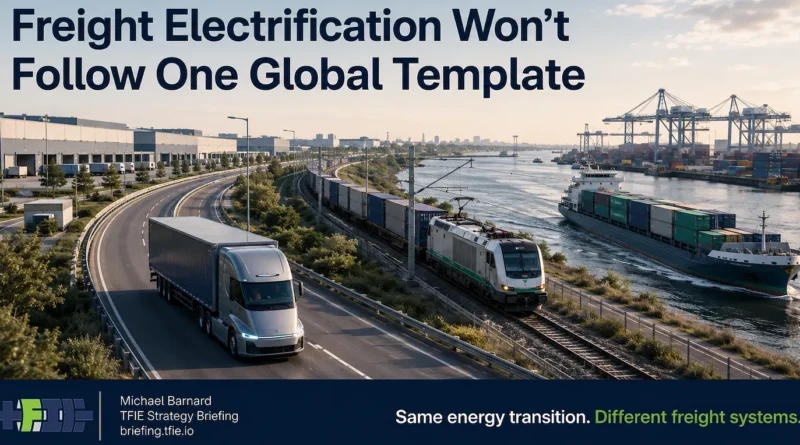
Battery Costs Are Global. Freight Geography Isn’t.

Battery costs are falling globally, but freight does not begin from a common starting point. China, India, Europe and the United States move domestic cargo through very different combinations of road, rail and water, so cheaper batteries will not produce one standard freight-electrification pathway. Using the best comparable data I … [continued]

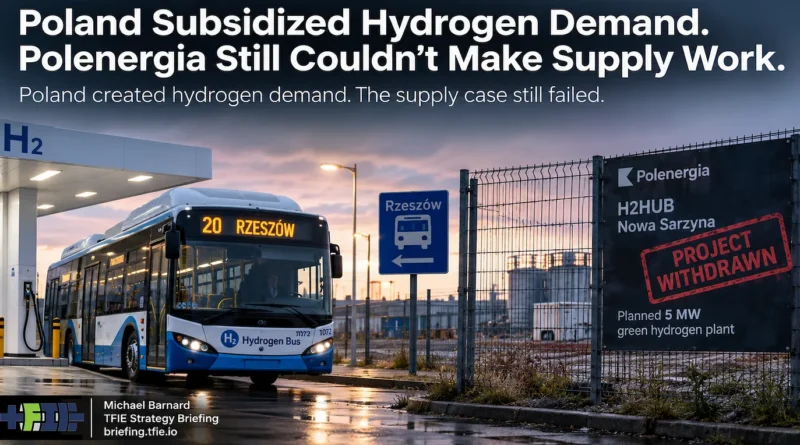
Poland Created Hydrogen Bus Demand. Polenergia Still Walked Away From Supply.

Poland did something hydrogen advocates have spent years saying governments need to do: it created real demand. Public subsidies helped put hydrogen buses into Polish cities, refueling infrastructure received support, and renewable-hydrogen projects were offered public money as well. By April 2026, Poland had 153 hydrogen buses registered, 140 already … [continued]

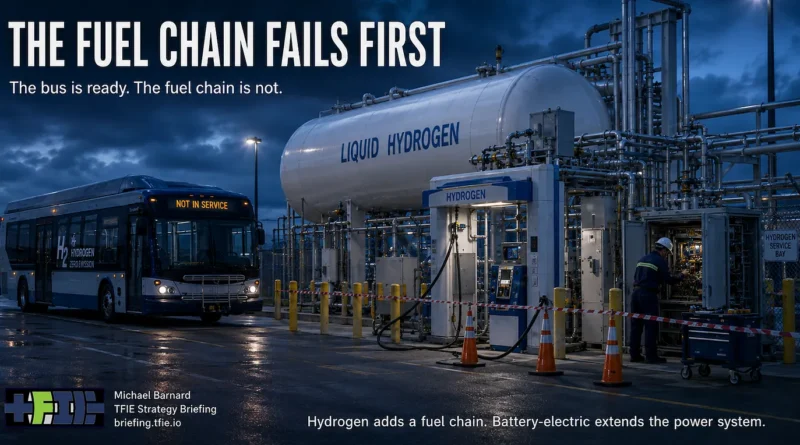
OCTA Is Spending Again On Hydrogen Because The Fuel Chain Failed

The Orange County Transportation Authority is spending another $27.6 million on hydrogen infrastructure as it expands its fuel-cell bus fleet from 10 buses toward 50. Read the announcement quickly and it sounds like ordinary fleet growth: more buses require more fueling capacity. OCTA’s history makes the story much less straightforward. … [continued]

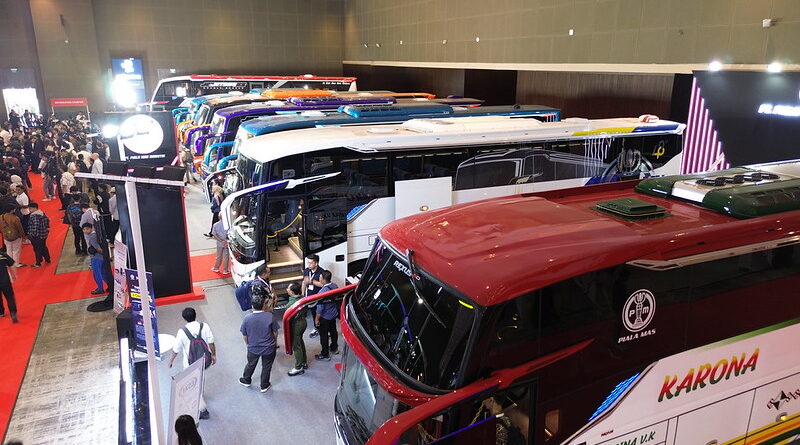
Jakarta Solidifies Role As Southeast Asian Fleet Electrification Epicenter At Busworld 2026

This story came two months and a half late. It was buried under the many stories propped up in the content management system. But the article remains relevant. I adjusted the tone and the tenses to catch up. The hype surrounding Jakarta’s transit transition was already building well before the … [continued]

Ember’s Electric Coaches Show Intercity Bus Electrification Is Already Here

Edinburgh makes electric transit visible. The city has electrified regional rail, trams and a growing number of electric buses, including large battery-electric double-deckers that stand out from the pavement. That progress is important, but it is not especially surprising. Urban buses were always expected to be among the first heavy … [continued]