Hydroelectric

Hydropower Generation Expected to Recover Despite Snow Drought in the West

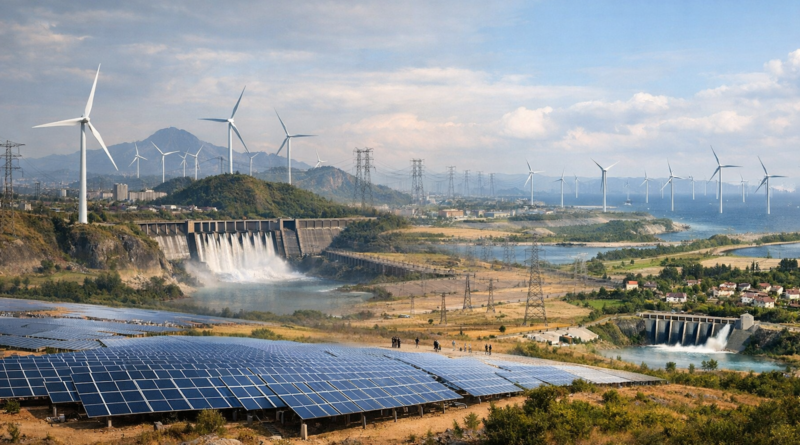
In our April Short-Term Energy Outlook (STEO), we expect U.S. hydropower generation will increase by 5% in 2026 but remain 1.8% below the 10-year average following snow drought conditions in some states. Hydropower generation in 2025 increased to 245 billion kilowatthours (BkWh), about 4 BkWh more than the record-low generation year 2024. … [continued]

Find The Lego: How Indonesia Can Turn Diesel Generator Retirement Into A Scalable Program

Indonesia has reached the point where replacing remote diesel generation with solar and batteries is no longer a speculative clean energy idea. It is an economic and strategic proposition, and the timing of PT Perusahaan Listrik Negara’s (PLN), Indonesia’s state electricity company, latest announcement matters. While the utility’s April statement … [continued]

China Leads, India Surges, America Lags Badly in the Clean Power Buildout

JMK Research’s report on India’s fiscal 2026 renewable additions crossed my screen and forced a wider question. If India had just added 44.6 GW of solar in a single fiscal year and reached 150.26 GW of installed solar by March 31, 2026, what did the broader global league table of … [continued]

In Alaska, a Data Center Inside a Power Plant, Inside a Microgrid

The U.S. Department of Energy Helped Cordova With Its Local Microgrid. Now the Remote City Is Localizing Its Data Too. For years, the Cordova Electric Cooperative in Alaska has worked to source its energy closer to home. Hydropower and battery energy storage now supply Cordova’s highly seasonal electric demand. This … [continued]

Philippines Hands Over Strategic Hydropower Complex to Private Consortium

The Philippine government has formally turned over operations of the Caliraya–Botocan–Kalayaan (CBK) Hydroelectric Power Plant complex in Laguna to the Aboitiz-led Thunder Consortium, completing one of the country’s most consequential power sector privatizations at a time when grid flexibility is becoming just as important as sheer generation capacity. The Thunder … [continued]

Why China’s Aluminum Industry May Have Reached Peak CO2

China’s aluminum manufacturing CO2 emissions likely peaked in 2024, not because production collapsed or because a single policy suddenly bit, but because the structure of where aluminum is made and how it is made changed in ways that compound over time. Aluminum is a useful material to examine because it … [continued]