Author: World Resources Institute

Solar-Powered Battery Swap Stations Could Speed Rwanda’s Shift to Electric “Motos”

Like many parts of Africa, motorcycles are the most popular form of transportation among Rwanda’s 13.3 million people. Whether they’re commuting to work or school, transporting jugs of water from the local taps, or just running everyday errands, people on “motos” can be found zipping up and down most busy … [continued]

A New Solution to Power Africa: Productive Use of Renewable Energy

Access to electricity in sub-Saharan Africa has improved tremendously over the last decade, reaching 49.4% of the population in 2022, up from 33% in 2010. Yet, while electricity access has grown, electricity consumption has not. While this would be considered a good thing in much of the world, for Africa, it is a discouraging indicator of … [continued]

4 Climate Stories that Will Define 2024

Last year shattered global heat records. The world witnessed the effects of rising temperatures in the form of devastating wildfires, severe flooding, extreme heatwaves and more. Poor countries and communities who have contributed the least to causing the climate crisis are bearing the brunt of its accelerating impacts. The UN’s … [continued]

Check Out This Dataset of U.S. School Bus Depots

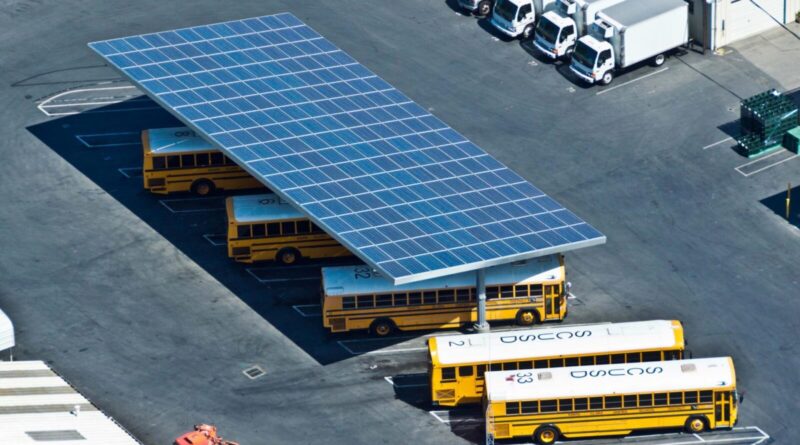
This technical note, describes the methods used to create a dataset of school bus depot locations in the United States. There are nearly half a million school buses in the country but almost no public information about where they are kept. Environmental justice literature describes how school bus depots may … [continued]

Public Transport for All: How to Unlock Climate & Development Benefits from Sustainable Mobility

Public transport provides a myriad of benefits that can help countries reach climate and development goals. There’s no better solution to moving large numbers of people efficiently, cheaply, and sustainably. Electric buses emit less than half as much carbon as fossil fuel-burning private cars per passenger per kilometer traveled. Quality … [continued]

Tracking Climate Action: How the World Can Still Limit Warming to 1.5°C

This article focuses on the 2023 findings of the annual State of Climate Action report series. View past articles here: 2022 | 2021 | 2020. Today’s climate change headlines often seem at odds with each other. One day, it’s catastrophic wildfires wreaking havoc around the world; the next, it’s an … [continued]

How the US Can Electrify Its Public Fleets, from City Buses to Garbage Trucks

Public vehicle fleets, which include everything from city buses and school buses to garbage trucks and law enforcement vehicles, make up a significant share of traffic on U.S. roads. There are 645,000 vehicles in the federal fleet, 500,000 in state fleets across the country, more than 3 million municipal and … [continued]

Many Underserved Communities Face EV ‘Charging Deserts’ — These 5 Strategies Can Help

The rapid acceleration of electric vehicle adoption in the United States comes with the risk of leaving historically disadvantaged communities behind if charging infrastructure isn’t adequately expanded. Many people of color and people living in rural areas, low-income neighborhoods and other underserved communities already face financial hurdles to purchasing electric … [continued]