
Stellantis BOW Takes Autonomous Delivery to The Next Level
Support CleanTechnica's work through a Substack subscription, on Patreon, or on Stripe. Help us produce all of the high-quality, original content we publish week after week despite the challenges of content-scraping AI, antisocial media, inflation, and other hurdles.
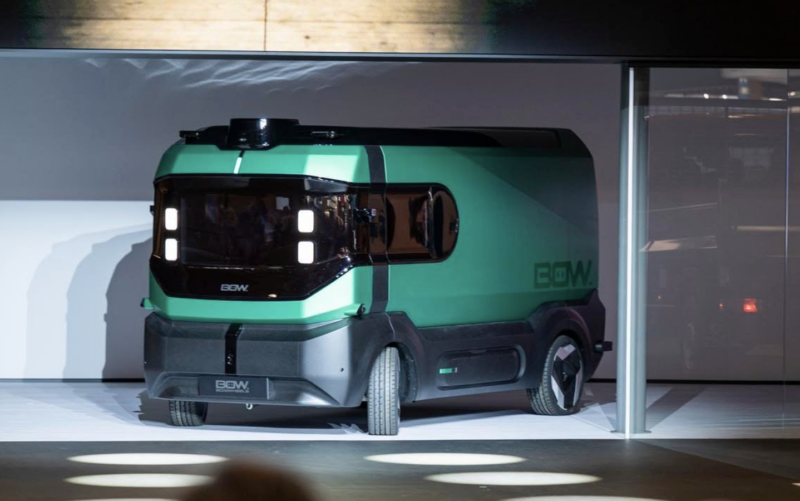
HANOVER, Germany — Among the many electric vehicles at IAA Transportation 2026, the Stellantis BOW is hard to miss.
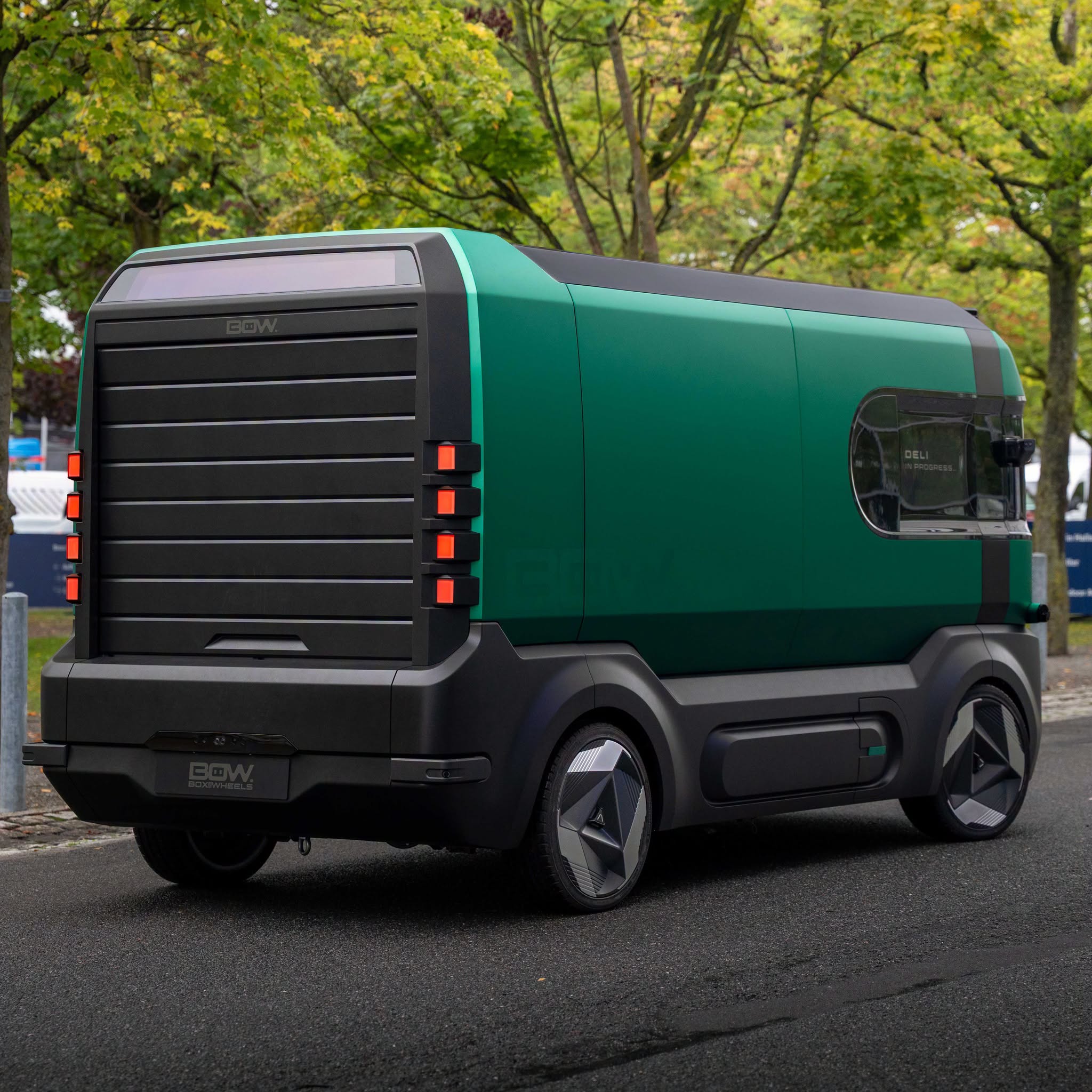
It is small, green and looks nothing like a conventional delivery van. There is no cab and no driver’s seat. The cargo body sits over four wheels, with cameras and sensors built into the vehicle, including a prominent sensor unit on the roof.
BOW stands for Box-on-Wheels. Stellantis Pro One developed the autonomous electric vehicle with UQI Robotics as a concept for moving goods without a driver. The idea is aimed at the last mile, but Stellantis is also looking at places where the vehicle can operate in a more controlled environment. Factories, hospitals and airports are among the possible applications.
A vehicle running around an airport or a factory has a much easier job than one sent into the middle of a European city. Its operating area can be defined, routes can be mapped and the number of things it has to deal with can be limited.
Stellantis is using BOW to look at what happens when an electric commercial vehicle is designed around autonomous operation from the beginning rather than starting with a conventional van and adding automated driving equipment.
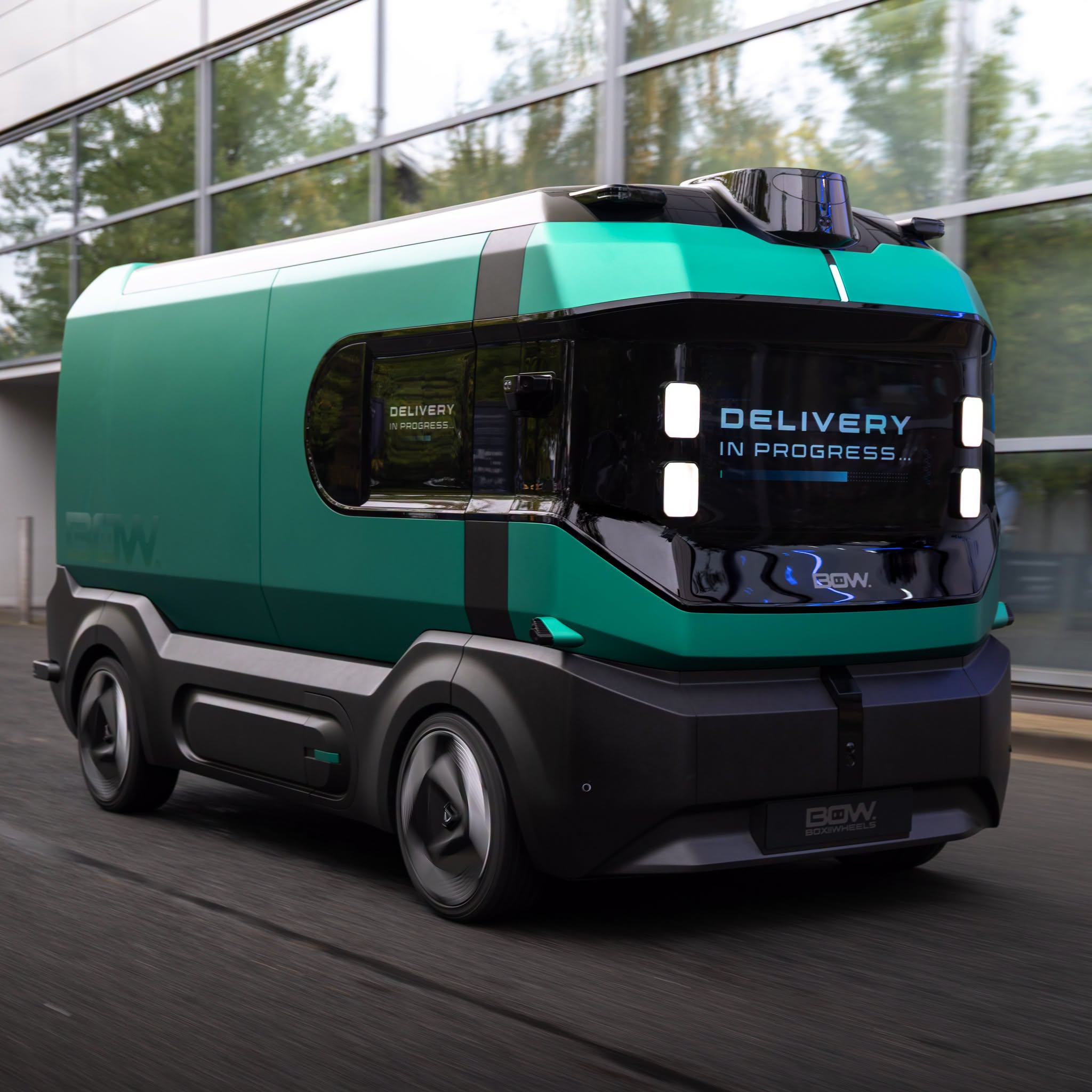
There is no need to accommodate a driver, so the space inside can be used for cargo. The vehicle is essentially a mobile box with the hardware needed to move it around.
At this stage, Stellantis is not giving BOW a full set of production specifications. There is no announced battery size, range, payload capacity, maximum speed or charging time. It is a development project, not a production vehicle.
That also means some of the numbers circulating around concept vehicles should be treated carefully. There is no reason to assume that BOW uses the battery, motor or other components of one of Stellantis’ existing electric vans.
UQI Robotics is responsible for much of the autonomous and robotics technology being explored in the project. Stellantis brings the commercial-vehicle side, including its experience with fleet customers and logistics.
The partnership is looking at how the vehicle could fit into an actual delivery operation rather than simply demonstrating that an autonomous vehicle can drive from one point to another.
A delivery vehicle normally requires someone to drive it from the depot to the customer and back again. If the driving part can eventually be automated, the logistics operation can be organized around the movement of the goods rather than the working hours of the driver. But that is still a considerable step away.
Autonomous driving in a controlled industrial site is one thing. Sending a driverless vehicle through a city with pedestrians, bicycles, parked cars, roadworks and unpredictable traffic is another.
Stellantis is therefore treating BOW as a way of testing the concept and its possible applications. There is no production timetable yet. What makes it stand out at IAA is the design. Most of the electric commercial vehicles on display are recognizably vans or trucks that have been converted to battery power. BOW starts with a different assumption, because there is no reason for it to look like a van if nobody is going to sit in the van.
That is about as far as Stellantis is taking the idea for now. The company has the vehicle at IAA, it is demonstrating the autonomous technology and it is working with UQI Robotics to see where the concept can make sense commercially. But standing in front of BOW at IAA, it is clear what Stellantis is experimenting with: not simply an electric delivery van, but a delivery vehicle in which the driver has disappeared from the design.
Sign up for CleanTechnica's Weekly Substack for Zach and Scott's in-depth analyses and high level summaries, sign up for our daily newsletter, and follow us on Google News!
Have a tip for CleanTechnica? Want to advertise? Want to suggest a guest for our CleanTech Talk podcast? Contact us here.
Sign up for our daily newsletter for 10–15 new cleantech stories a day. Or sign up for our weekly one on top stories of the week if daily is too frequent.


CleanTechnica uses affiliate links. See our policy here.
CleanTechnica's Comment Policy

