

Australian Plugin Vehicle Sales, September Update — Are Mainstream Media Finally Waking Up?

This is David’s 1000th article for CleanTechnica!
In September, 2026, a total of 108,778 new vehicles were delivered to Australian drivers. Of these, 36,000 came with a plug, giving a penetration rate of 33%; that is 24% BEV (26,000) and 9% PHEV (10,072). All numbers and percentages are approximate. CarExpert tells us that EV sales are up about 120% year on year, while petrol cars are down 36% and diesel 18%. This seems to be a similar story over the last few months. Will we make it to 40% by the end of the year? Depends on the shipping schedules. But it looks like, “Steady as she goes, captain.”
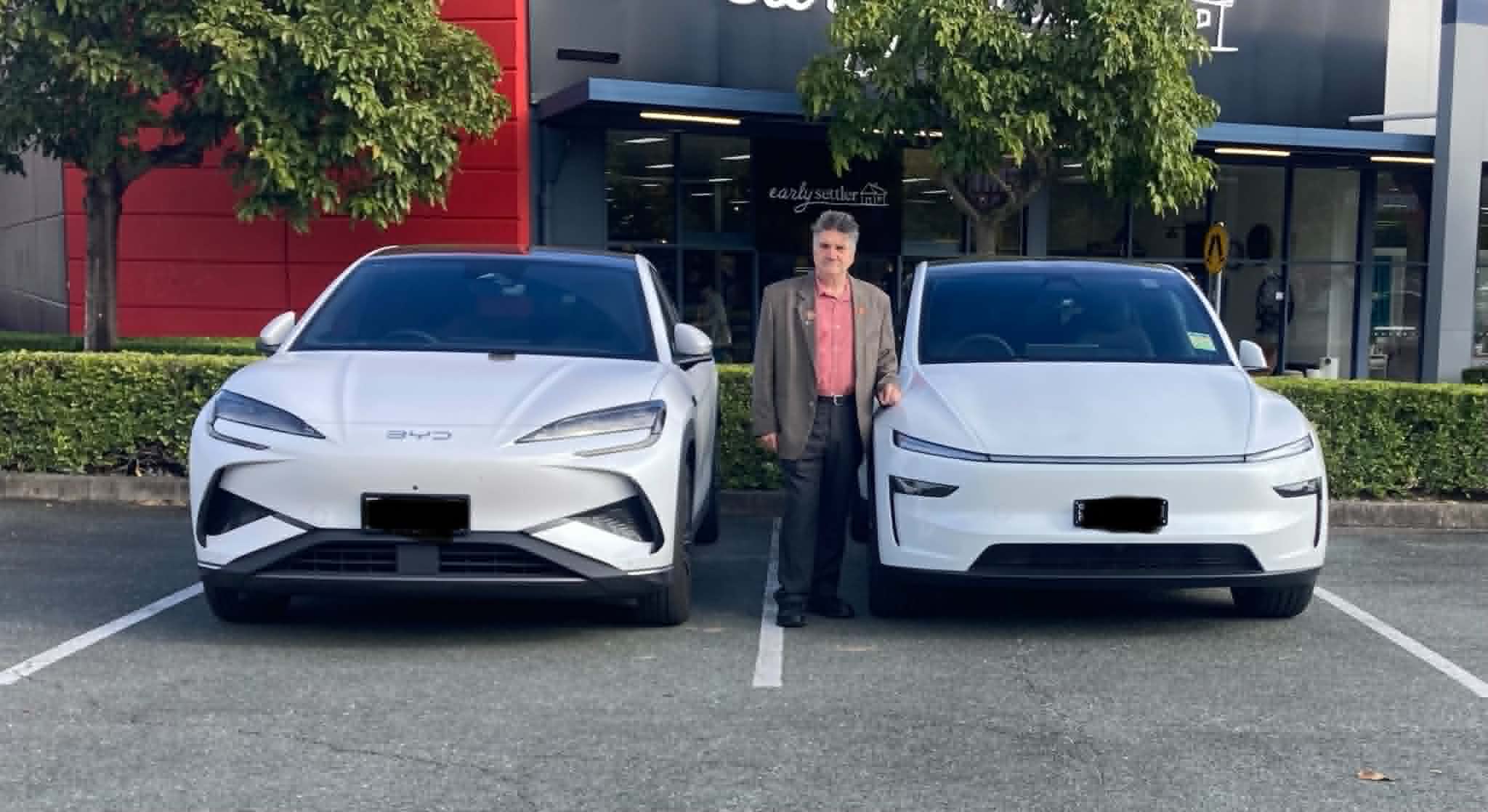
The media are waking up, with EV news reports on the ABC (Majella was in this one), and SBS heralding the change on Australia’s roads. Conservatives are desperately looking for arguments to slow the transition — Chinese cars spy on you; not enough technicians to work on them if they break down; what will we do with all of those depleted batteries? It isn’t working. The sky is still falling on those trying to sell outdated and dangerous technology.
A CarsGuide journalist made this interesting comment: “To be honest, I didn’t think this would happen so fast, but it really does appear the end is nigh for the internal combustion engine in Australia, because for the first time, sales of electric cars have overtaken petrol ones.” Some journalists are finding it difficult to make the transition, with one media report containing the advice from an experienced journo that an electric car could add 30 km of range overnight, when plugged into a house socket. Anybody driving an EV knows that this is a massive miscalculation — more like 100 km of range!
Australia is already starting to see the road fleet transition. 500,000 EVs on the road currently equates to 3% of registered vehicles. Majella and I play a game, checking how many EVs are in the car park when we go grocery shopping — last week there were: 2 Teslas, a Peugeot, 3 BYD, an IONIQ 5. That’s seven in a carpark amongst 50 cars. Bit of a crude analysis — but it equated to 14% of the ALDI shopping fleet!
Australian car buyers are pivoting away from fossil fuels towards plugin cars from China. Japan is no longer our largest supplier. Australians are now buying double the number of cars from China than they do from Japan. Toyota is hanging onto the best-selling brand title, but BYD has now risen to #2 and is making every effort to increase its sales — with discounts and new models, it has achieved price parity. Notable on the winners and losers chart: BYD has increased its sales by 61%; Geely by 870%; and Zeekr by 1,608%. The Koreans are not doing too badly; it is the European and Japanese brands that are suffering.
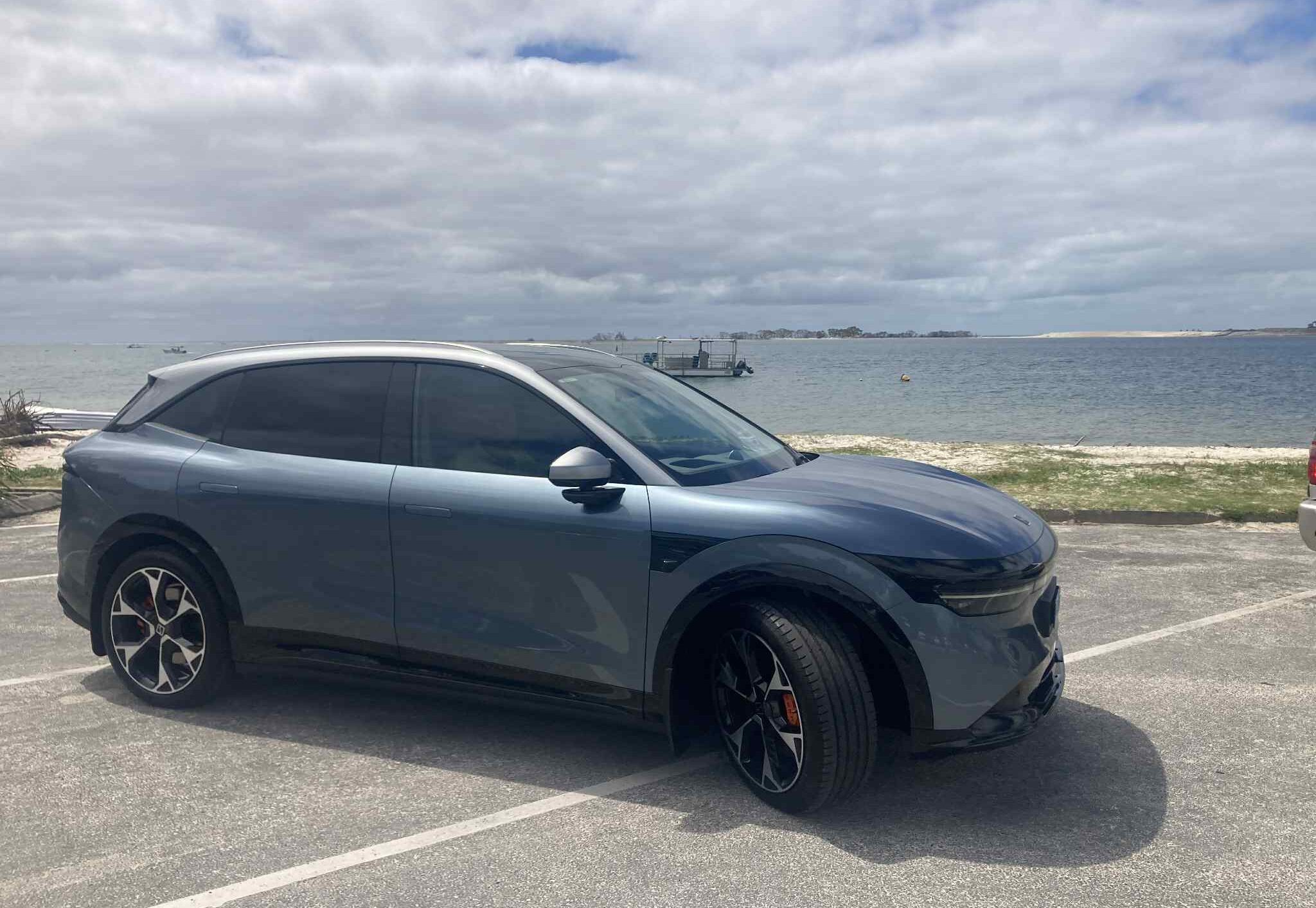
Best-selling battery electric vehicles in Australia in September 2026:
1. Tesla Model Y — 4,476 — Year to date 35,930
2. BYD Sea Lion 7 — 2,687 — YTD 19,964
3. Geely EX 5 — 2,008 — YTD 12,745
4. Jaecoo J5 — 1,754 — YTD 10,664
5. Zeekr 7X — 1,628 — YTD 10,800
6. Geely EX 2 — 1,211 — YTD 2,964
7. Tesla Model 3 — 1,178 — YTD 5,775
8. BYD Atto 2 — 936 — YTD 8,673
9. MG4 Urban — 735 — YTD 2,907
10. BYD Atto 1 — 633 — YTD 4,471
Curious readers can compare with last month’s top ten here. Model Y sales are down about 30%, but the Tesla is still king of the hill. Although the style of cars seems to consistently be favouring SUVs, it is good to see a range of sizes in the top 10 — from the large Tesla Model Y and Sealion 7 to the small Geely EX2 and BYD Atto 1 (Seagull). The SUV style still dominates. Kia has slipped out of the top ten, replaced by the MG4 Urban and the BYD Atto 1. The Kia EV3 achieved 564 deliveries, and the Kia EV5 achieved 509. The Toyota BZ4 slipped from 15th place to 17th.
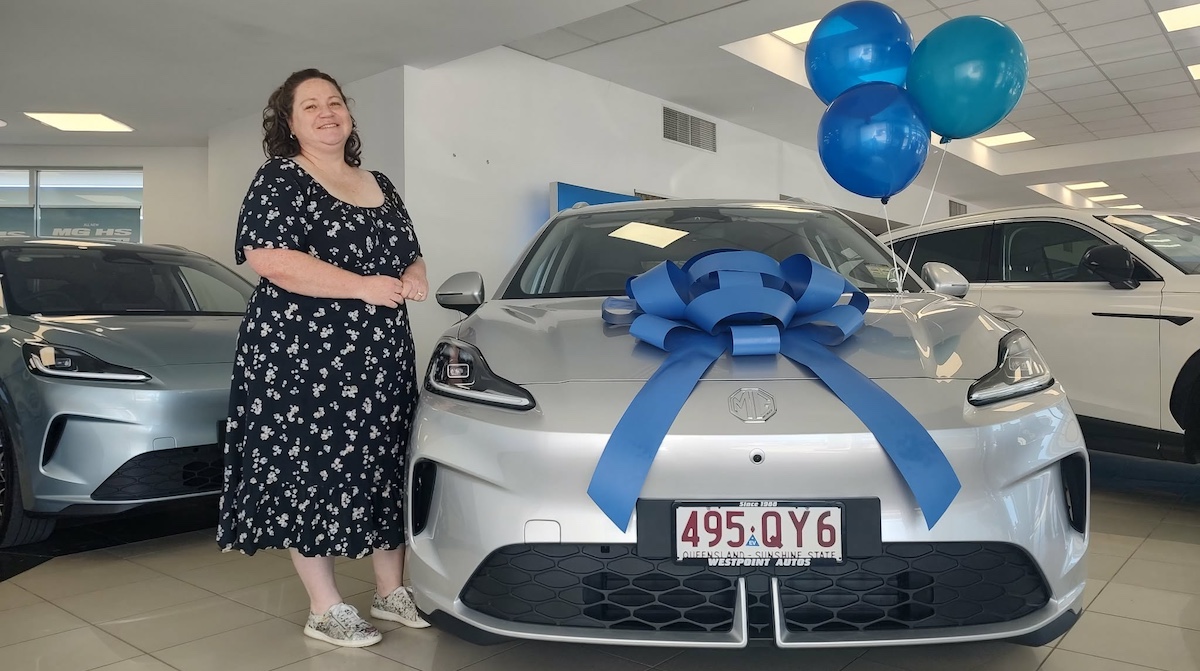
The relaunched Great Wall ORA, as a compact SUV, just missed out on the top ten, with 609 deliveries. In the overall market, the Tesla Model Y came in third, behind the Ford Ranger and the Toyota RAV4 (some of these would have been plugin hybrids). In fifth place was the BYD Sealion 7, and in eight place was the Geely EX5. Four of the top ten were utes. In exciting news, MG has launched a BEV ute — the MG MU9. 119 have been delivered, most likely to dealers for test drives. Stay tuned, this may very well be the vehicle to shake up the Australian ute heavy market.
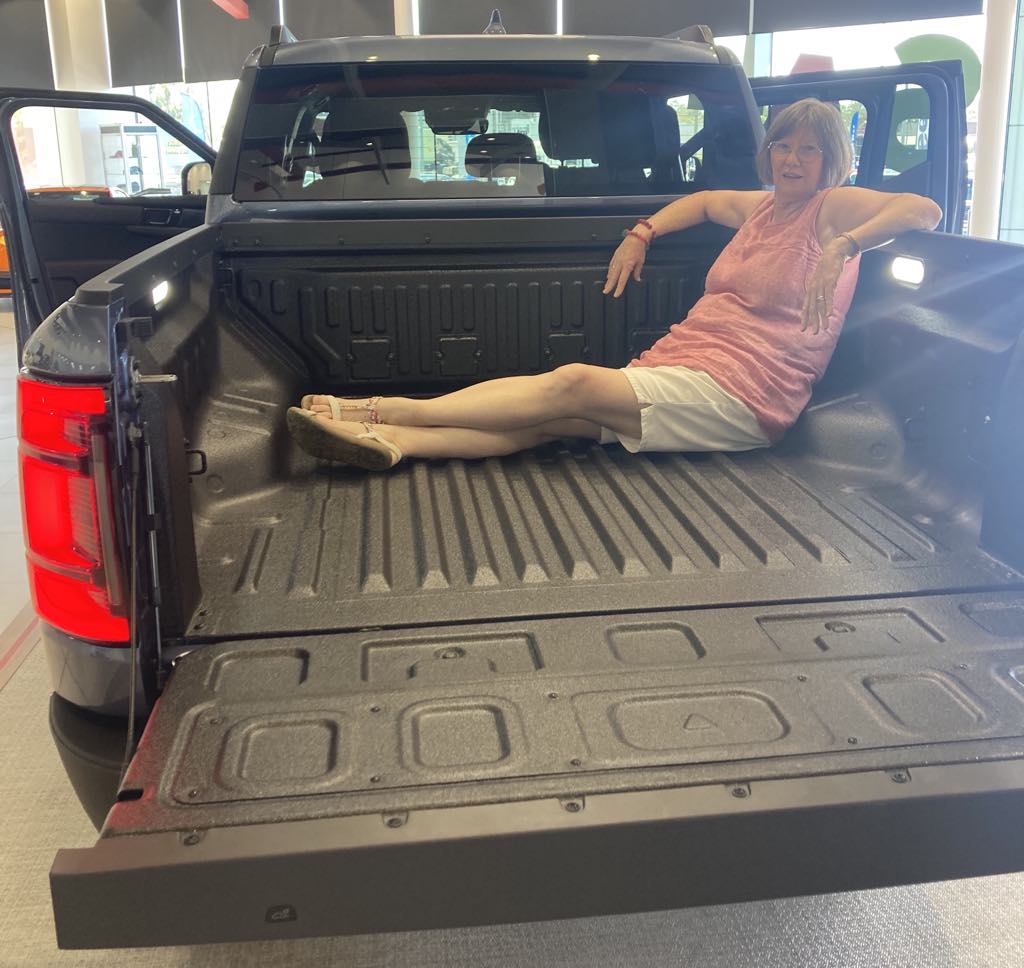
Let’s talk about PHEVs, baby. Plugin hybrid sales jumped 122.7% year on year compared with September 2025, while conventional hybrid sales increased 20.7%.
Three thousand plugin BYD PHEVs — mostly the Shark 6 — were sold. Contributions to the total also came from the Mitsubishi Outlander and the Ford PHEV. Surprisingly, to me, it appears that the newly introduced Toyota RAV4 GR Sport PHEV is being positioned as a niche, premium, flagship variant rather than a mass-volume model. As CarExpert puts it, “So far, sales of Toyota’s plug-in hybrid (PHEV) in Australia remain extremely low, effectively hovering near zero or limited to double-digit figures for September 2026. The brand has historically avoided pushing plug-in hybrid technology in Australia.”
Chery launched a “Stockman” diesel PHEV at Electrify Everything in Melbourne. The conversation around this is whether diesel will work as a plugin hybrid if the diesel engine doesn’t get enough use. Stay tuned. My diesel knowledge is near to zero. Would any readers like to comment on the value of a diesel PHEV?
In the battle of the brands, it’s a tight race between Tesla and BYD, with a sales difference of only a few hundred in September and a few thousand year to date. BYD, however, has clearly sold more plugin vehicles in Australia so far this year than Tesla. Geely is in a far distant third place and likely to remain so.
Comments on the August update contained the following two observations. The first, on calling sealed hybrids HEVs or Hybrid Electric Vehicles: “his terminology normalizes EVs (even though it’s incorrect). EVs are the majority, they are normal, if you buy a gas car now, at this late date, you are the outsider, the other, the laggard.” You could compare it to smoking, I guess. Thank you, Scott.
And from MJE: “It is staggering to see the top eight EVs all made in China. I can’t see how the European manufacturers can stay in the market if their products are overpriced and their technology a generation behind (it reminds me of when British cars dropped out a couple of generations ago).
“Australia is a good indicator for world markets unfettered by distorting tariffs and relatively price sensitive. The size of the country also makes a mockery of those claiming geography hampers EV adoption.”
Australians have had a reputation for being fast adopters of new technology. It has only taken war-created fuel insecurity and price hikes to overcome the FUD perpetuated by the fossil fuel industry and ignorant sheeple. The dam has broken. The demand is there, and Chinese production has risen to meet it. The future is bright and electric.

