
10 Facts About The Tesla Cybercab
Support CleanTechnica's work through a Substack subscription, on Patreon, or on Stripe. Help us produce all of the high-quality, original content we publish week after week despite the challenges of content-scraping AI, antisocial media, inflation, and other hurdles.
The Tesla Cybercab has officially launched. What that means in the medium term is not yet clear, but there are a variety of facts we now have on our desk following the launch. Let’s roll through them.
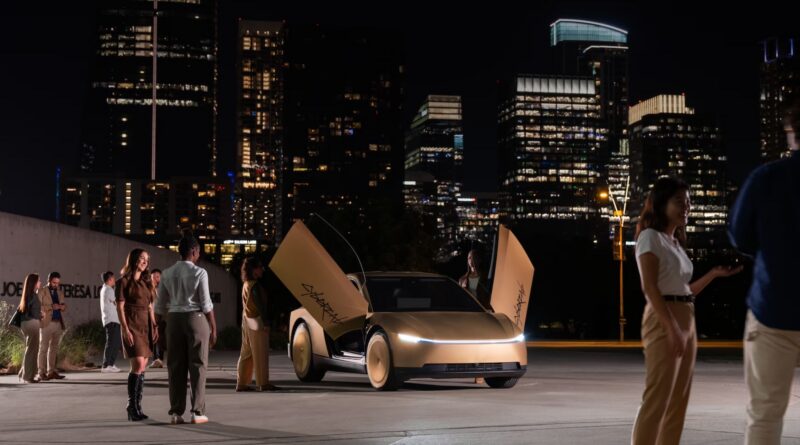
- The Tesla Cybercab has been launched and is available to the public to hail as a robotaxi in part of Austin, Texas. (There are reportedly 45 Cybercabs launched in Austin at the moment.)
- You can hail the Cybercab via Tesla’s RoboTaxi smartphone app. Tesla says that when you get into a Cybercab, it will adjust to your seating position and AC preferences and will start playing whatever music or videos you had playing on your phone. (For those of us who have been driving Teslas, we are used to all of this except the part at the end about the car’s infotainment system playing the videos you were streaming. We’ll have to see that in action to see how it works and with which apps.)
- The Cybercab does not include a steering wheel, pedals, or side mirrors, and seats just two passengers.
- The Cybercab has a drag coefficient under 0.20, which is super low. You can tell from the vehicle design, including the large and smooth hubcaps, that efficiency was a key focus of the vehicle. (Note that the GM EV1, which had similar hubcaps, had a drag coefficient of 0.19 and the Tesla Model 3 has a drag coefficient of 0.22.)
- Tesla says the Cybercab’s electric motor is “18 percent smaller, 25 percent lighter, and more efficient than other top-performing electric vehicle drive units.” Again, efficiency and low cost have been key areas of focus.
- The Cybercab is powered by a 48-kWh lithium-ion battery pack that includes 4680 Tesla battery cells.
- The Cybercab is produced using Tesla’s “unboxed manufacturing” process, which is supposed to make the manufacturing line 50% shorter and dramatically cut costs.
- Instead of using conventional vehicle materials for the body panels and painting the Cybercab, Tesla uses reaction injection molding (RIM) — which is typically used to produce normal car fenders, spoilers, dashboards, and some other components — and gold-colored plastic. Again, this is reportedly about cutting costs — painting vehicles comes at a notable cost. (Why is the Cybercab gold? ‘Cause we live in ‘Murica, I guess.)
- The only sensors the Cybercab uses are cameras — no radar or lidar.
- The car’s butterfly doors open and close automatically.
We’ll see how this plays out. The launch is official, and there seem to be a few dozen Cybercabs on the road in Austin. Where the robotaxi service goes from here is anyone’s guess.
Anything else important that I missed here?
Sign up for CleanTechnica's Weekly Substack for Zach and Scott's in-depth analyses and high level summaries, sign up for our daily newsletter, and follow us on Google News!
Have a tip for CleanTechnica? Want to advertise? Want to suggest a guest for our CleanTech Talk podcast? Contact us here.
Sign up for our daily newsletter for 10–15 new cleantech stories a day. Or sign up for our weekly one on top stories of the week if daily is too frequent.


CleanTechnica uses affiliate links. See our policy here.
CleanTechnica's Comment Policy

