Trump’s Gift To Coal Miners: Less Coal Jobs, More Black Lung Disease
Support CleanTechnica's work through a Substack subscription, on Patreon, or on Stripe. Help us produce all of the high-quality, original content we publish week after week despite the challenges of content-scraping AI, antisocial media, inflation, and other hurdles.
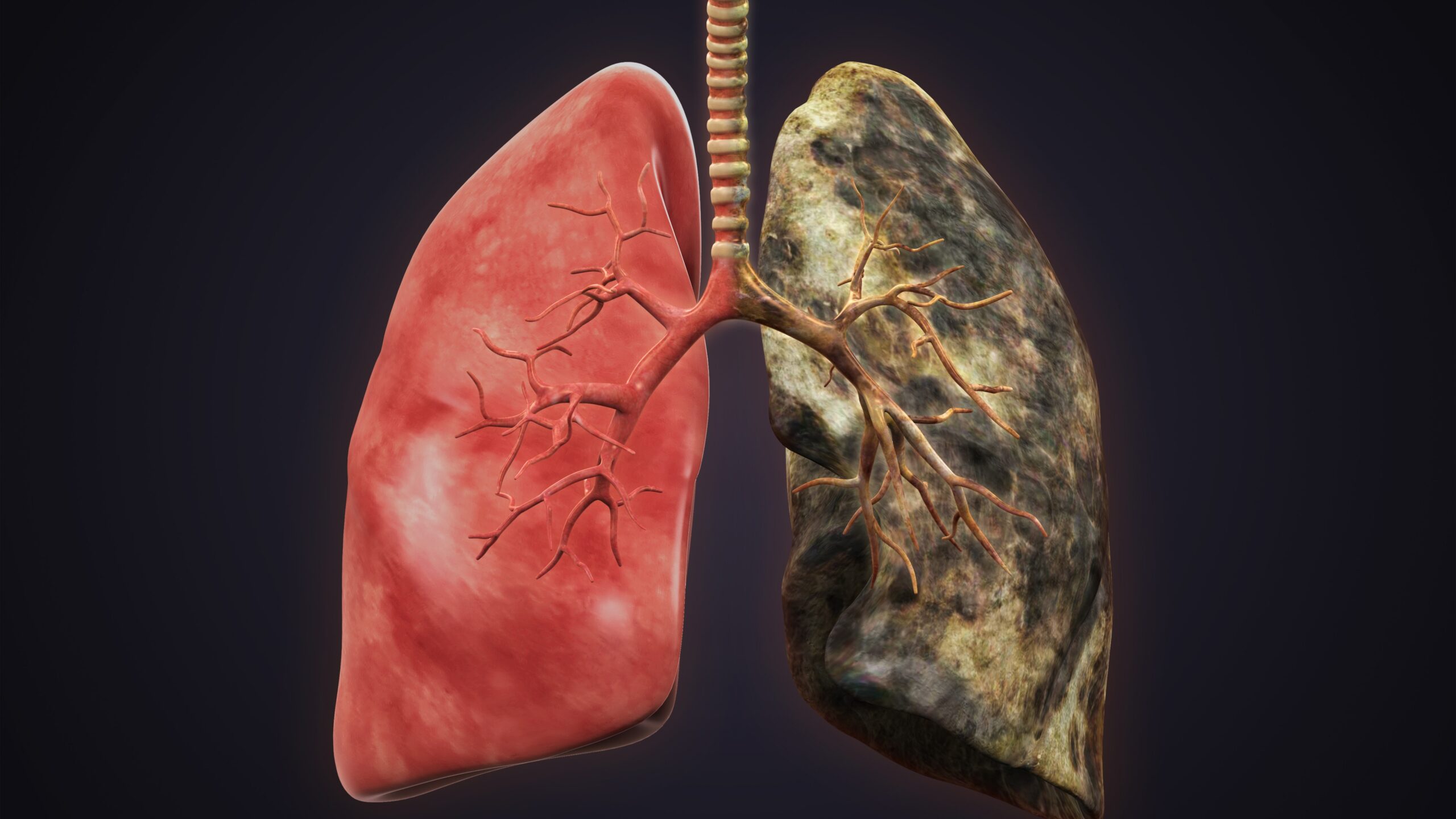
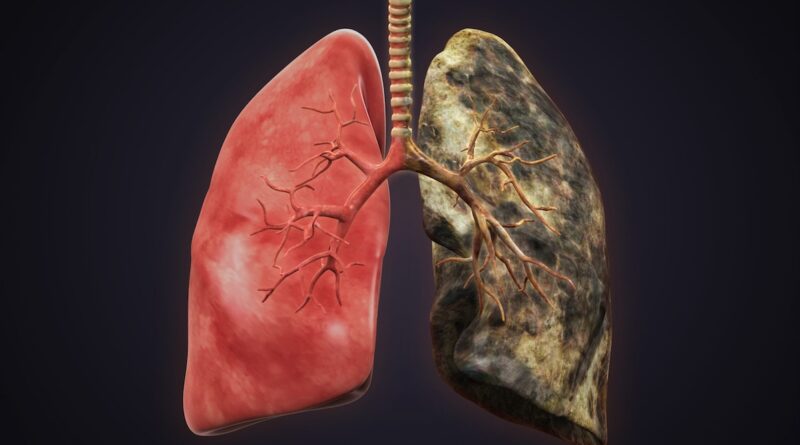
You just can’t make this stuff up. US President Donald Trump swept into the Oval Office — twice — with a grand promise to save coal jobs, but somehow he forgot the part about saving the humans who fill those jobs. Come to think of it, that’s on brand for Trump. However, it’s bad news for coal miners, who are dying off at an alarming rate from black lung disease, an incurable, often lethal condition caused by inhaling fine particles of silica dust in poorly ventilated coal mines.
Black Lung Disease And The Curious Case Of Appalachia
Also called CWP for coal workers’ pneumoconiosis, black lung disease was widespread but poorly understood and under-documented in the US throughout most of the 20th century. The the 1969 Federal Coal Mine Health and Safety Act finally established a surveillance and screening regimen under the umbrella of NIOSH, the National Institute for Occupational Safety and Health.
The first CWP survey was completed in 1974, revealing that black lung disease was a common consequence of holding down a coal job. A full 32.5% of veteran coal workers with 25 or more years of experience were diagnosed with black lung in 1974. The finding sparked new federal legislation requiring dust control and other improvements. That effort was a success, with black lung cases dwindling down to under 5% by 2000, including newer workers as well as 25-year veterans.
So much for the good news. In a brief update recently published in The American Journal of Respiratory and Critical Care Medicine, NIOSH staff note that black lung cases began ticking upwards after 2000, though not uniformly throughout the country. The study team found only modest increases in some regions but an alarming blast of activity in the Appalachian states of Kentucky, Virginia, and West Virginia, where black lung now stands at 32.5% overall, including newer miners as well as 25-year veterans.
“Although rates are highest in miners with the longest tenures, increases in CWP prevalence are evident across all tenure groups with more than 10 years of mining experience in central Appalachia. This indicates that the burden of disease is affecting younger miners and not confined to the most experienced workers,” the team emphasizes.
Making Coal Jobs More Dangerous Again
NIOSH further notes that markers associated with CWP have also intensified. Those markers include an increase in extreme black lung outcomes, namely, lung transplants and death, as well as cases of the disabling lung disease progressive massive fibrosis. The NIOSH team also notes an increase in federal black lung benefits claims. Altogether, the signs point to a “notably sharper increase in CWP prevalence in central Appalachian miners in the post-COVID era.”
The post-COVID timeline includes both the Biden and Trump administrations. However, the federal Mine Safety and Health Administration did address the rise in CWP cases during Biden’s term in office. In 2024, the agency proposed a new rule requiring mining operations to limit worker exposure to silica dust, rather than forcing miners to depend on personal protective equipment.
The new rule was soon challenged by mining stakeholders (shocker!), and last year the Mine Safety and Health Administration announced that it would not enforce the new rule.
“Pending the outcome of litigation, it is uncertain whether or when the 2024 Silica Rule will be implemented. What is certain is that the prevalence of pneumoconiosis among coal workers participating in [the CWP screenings] has reached its highest level in the past 35 years,” NIOSH reminds everyone.
And, that’s where Elon Musk comes enters the picture. In March of this year, the organization National Black Lung Association and more than three dozen other interested parties co-signed a letter to Congress describing their concerns over the increase in black lung cases tracked by NIOSH. While addressing a downturn in enforcement during the Biden years, the letter also name-checks Trump’s “DOGE” budget-cutting office, which was administered by a chainsaw-wielding (yes, a literal chainsaw) Elon Musk last year.
“By early 2025, due to downsizing driven by DOGE, MSHA lost approximately 200 employees, roughly 10% of its staffing,” the letter reads.
“In March of 2025, an individual representing Department of Labor workers for the American Federation of Government Employees shared with a reporter that inspectors were barely keeping up with their mandatory inspections – semi-annual inspections at surface mines and quarterly inspections at underground mines,” the letter goes on.
“An analysis of MSHA inspections from 2025 and 2026 shows that the total number of inspections completed by the agency dropped by 5%, a decrease of nearly 2,000 inspections,” the letter adds for good measure.
The letter also gives Health and Human Services Secretary Robert F. Kennedy, Jr. part of the credit for making coal jobs more dangerous (breaks added for readability):
On April 1, 2025, Department of Health and Human Services (HHS) Secretary Kennedy announced a 10,000-employee reduction of HHS staff, including nearly 900 employees at the NIOSH, which amounts to two-thirds of their employees.
This includes offices in Pittsburgh, PA, which has a robust mine safety department, and Morgantown, WV, that administers ECWHSP.
Operations at these facilities severely disrupted critical mining research, respirator approval certification, coal miner health surveillance, and other critical worker safety programs.
The United Mine Workers Of America Would Like A Word
Ouch! Against this backdrop, it’s worth noting that coal miners and their communities turned out with enthusiasm to vote for Trump in both 2016 and 2024, particularly in West Virginia and other parts of Appalachia.
This time around, the bloom fell off the rose in short order. UMWA began lobbying for enforcement of the new silica dust rule last year, and CBS News was among the media to amplify the message. The fact is that coal jobs are not what they used to be. The Appalachian miners of today are scrambling after the last shards of remaining coal in an environment that exposes them to more silica dust than in past generations, even as the Trump administration continues to shred basic safety backstops.
The United Mine Workers of America further notes that the machinery of modern mining has also contributed to the intensification of silica exposure in Appalachia, with nonunion mines at the “heart of the crisis.”
“Many miners are already using respirators, yet black lung rates are at a 50-year peak because masks alone cannot protect miners from the massive volume of toxic silica dust generated by high-powered machinery,” UMWA explained in a press release earlier this week, on August 13.
“Federal law mandates that the mine environment itself must be made safe through dust control and ventilation—not that workers must adapt to toxic air to earn a living,” the union emphasizes.
Less Coal Jobs
UMWA is once again calling upon the Trump administration to enforce the 2024 silica dust rule, reject industry efforts to substitute personal respirators for proper ventilation, and penalize mine operators that cut into high-quartz rock.
Good luck with that. Meanwhile, Trump’s crusade for coal jobs continues, only not. Despite a recent uptick in coal-fueled power generation, Virginia and Kentucky alone lost more than 1,600 coal jobs from the beginning of last year into this February. Thermal coal exports also fell last year, largely resulting from Trump’s trade war against China, and global demand for metallurgical coal from the US also fell last year. More recently, in June the coal industry portal Coal Hub reported that coal production has not increased compared to last year, registering a slight downturn with some regional fluctuations.
The Trump administration has spitballed the idea of opening up new mines on federal land, but transporting the coal off site is a whole ‘nother kettle of fish, and private sector investors are unlikely to put up stakes for the necessary equipment and workforce in a shrinking market. After all, Election Day 2028 is just around the corner…
Image: With cases of black lung disease skyrocketing and cutbacks on mine safety enforcement, coal jobs are more hazardous now than at any time in the past 50 years (courtesy of NIOSH).
Sign up for CleanTechnica's Weekly Substack for Zach and Scott's in-depth analyses and high level summaries, sign up for our daily newsletter, and follow us on Google News!
Have a tip for CleanTechnica? Want to advertise? Want to suggest a guest for our CleanTech Talk podcast? Contact us here.
Sign up for our daily newsletter for 10–15 new cleantech stories a day. Or sign up for our weekly one on top stories of the week if daily is too frequent.


CleanTechnica uses affiliate links. See our policy here.
CleanTechnica's Comment Policy