
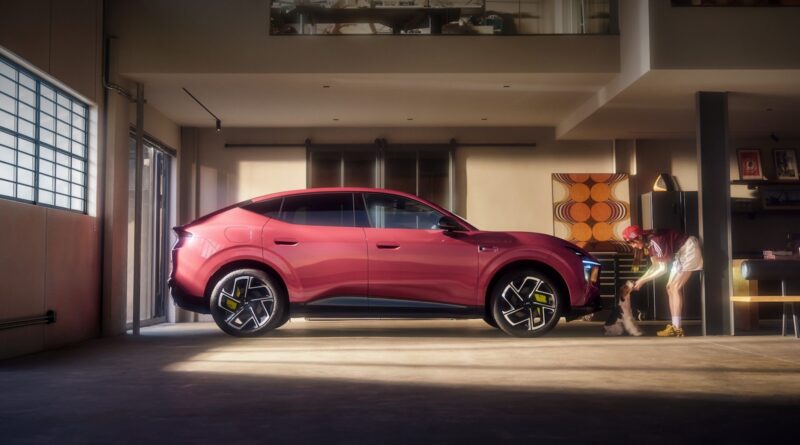
Republicans & Democrats in Congress Unite in Effort to Ban Chinese Electric Vehicles
Support CleanTechnica's work through a Substack subscription, on Patreon, or on Stripe. Help us produce all of the high-quality, original content we publish week after week despite the challenges of content-scraping AI, antisocial media, inflation, and other hurdles.
Let’s start with the obvious: there’s no need to ban a major consumer product coming from the country that leads the world (by far) in producing and buying that product if that product isn’t highly competitive. If China was producing crappy electric cars that Americans wouldn’t buy, there wouldn’t be such fervor to block them from the US market. We all know what is going on. US automakers are scared of Chinese electric vehicles, can’t compete with them, and have leaned on top US policymakers in Congress and the White House in order to block their sale in this country.
In the latest news on this front, on July 15, the US Senate Commerce Committee will vote on a proposed bipartisan bill to block Chinese companies from selling electric cars in the USA.
“Republican Senator Bernie Moreno of Ohio and Democratic Senator Elissa Slotkin of Michigan proposed legislation in April to codify a regulation imposed by the Biden administration that effectively bans all Chinese automakers from selling passenger vehicles in the U.S. and takes other steps to prevent China from entering the U.S. light-duty market,” Reuters reports. While President Biden supported the US EV industry and EV manufacturing in the United States tremendously, part of the largest manufacturing reshoring legislation in the history of the country, he also kept up and built on President Trump’s initial anti-China tariffs on electric vehicles. This legislation goes beyond tariffs.
The crux of the argument here is that vehicles designed in China that include advanced connectivity and software pose a national security threat to the country. Such vehicles could collect sensitive personal information on American owners. Does this seem like a truly legit national security issue? Not to me, but it’s the excuse that works to effectively completely ban Chinese EVs in the country.
Note that people in Europe, South America, Australia, other parts of Asia, and now Canada are already happily buying these Chinese electric vehicles. Also note that there is apparently no concern about such vehicles designed in Japan, Europe, or South Korea. In fact, auto companies from those places have been involved in the lobbying for this legislation! “In March, auto trade groups representing nearly all major car companies — including the Detroit Three, Volkswagen (VOWG.DE), Hyundai (005380.KS), and Toyota (7203.T), parts manufacturers, auto dealers and others — urged the U.S. government to keep out Chinese carmakers, citing ‘serious concerns about China’s ongoing efforts to dominate global automotive manufacturing and to gain access to the U.S. market.'”
So, really, there’s no hiding here. They just don’t want to compete with Chinese automakers.
This legislation comes even with 100% tariffs on Chinese EVs already in place. Similar legislation has also been introduced in the House of Representatives.
It’s completely obvious that US automakers — as well as those from other countries — are far behind Chinese automakers in the development and production of low-cost, high-quality, high-tech electric vehicles. They are pulling out all the stops here in order to protect themselves in the world’s second large auto market, doing everything they can to not have to compete with those cars, SUVs, and trucks.
Will this legislation get passed? Probably. Will Chinese EV producers find a way around the challenge? Who knows? Maybe they will just focus on dominating the rest of the world auto market.
Sign up for CleanTechnica's Weekly Substack for Zach and Scott's in-depth analyses and high level summaries, sign up for our daily newsletter, and follow us on Google News!
Have a tip for CleanTechnica? Want to advertise? Want to suggest a guest for our CleanTech Talk podcast? Contact us here.
Sign up for our daily newsletter for 15 new cleantech stories a day. Or sign up for our weekly one on top stories of the week if daily is too frequent.


CleanTechnica uses affiliate links. See our policy here.
CleanTechnica's Comment Policy

