Honda Pursues New Blended Silicon-Carbon EV Batteries
Support CleanTechnica's work through a Substack subscription, on Patreon, or on Stripe. Help us produce all of the high-quality, original content we publish week after week despite the challenges of content-scraping AI, antisocial media, inflation, and other hurdles.
The vehicle electrification movement has been running on three cylinders in the US, but it’s a big world out there. In the latest development on the global EV scene, the Xcelerator Ventures branch of the Japanese powerhouse Honda has just become a shareholder in the UK firm Nexeon, putting the automaker front and center in the race to bring silicon EV batteries to the market.
Honda Wants More EV Batteries
The Nexeon investment is part of Honda’s long term plan announced back in 2022, wherein the company pledged to invest $10 billion per year to ramp up its electrification journey with support from Xcelerator Ventures. In battery procurement, Honda mapped out regional supply chains for lithium-ion EV batteries including GM’s Ultium line in North America (since rebranded), an expansion of its existing relationship with CATL in China, and a new partnership with Envision AESC in Japan.
The 2022 announcement also looked to the future, including a $43 billion yen investment in a demonstration line for Honda’s ongoing all-solid-state battery program.
“In the areas of electrification technologies, including batteries, as well as software and connected technologies, for the acceleration of its development efforts, Honda will strive for a significant enhancement of development capabilities,” Honda emphasized, adding that it will “proactively pursue inter-industry collaboration and alliances, as well as investments in startups.”
Nexeon Has Silicon EV Batteries Up Its Sleeve
That brings us to the Xcelerator investment in Nexeon. The deal was announced earlier today without disclosing the sum, but let’s guess it was substantial. In 2022 Nexeon announced a strategic partnership and investment with the Korean firm SKC, totaling $170 million over two rounds. “Additionally, a further US$50m of commercial investments is being made in Nexeon’s technologies as a consequence of the investment round,” the company noted.
Nexeon crossed the CleanTechnica radar the following year, when Panasonic announced that it would be manufacturing EV batteries in the US, deploying “special silicon anode material” from Nexeon, at its forthcoming factory in De Soto, Kansas.
In a press statement announcing plans for the new factory, Panasonic summarized what all the fuss is about. “Silicon materials are considered the key to boosting battery performance because their theoretical capacity is approximately 10 times than that of graphite, which is currently commonly used as an anode material,” the company noted.
“However, there is a hurdle to increasing the percentage of silicon in anodes as problems arise from its expansion characteristics when the cells are charged, resulting in battery capacity fade,” they added, with the implication being that Nexeon has solved the expansion problem (see lots more silicon battery background here).
Blended Silicon Anodes Win UK Seal Of Approval
With Honda investment in its pocket, Nexeon will continue developing its new anode. “Nexeon’s silicon anode technology is a cornerstone of next-generation energy storage,” the company emphasizes.
That remains to be seen, but last year the company did get the seal of approval from the UK’s Advanced Propulsion Center, in a report titled, “Electrical Energy Storage Innovation Opportunity Report, 2025.” The report name-checked Nexeon’s silicon-blended anodes among the three most commercial-ready innovations in the UK for 2025, listing:
Improved energy density and range: Silicon can significantly increase a cell’s gravimetric energy density, which in turn boosts electric vehicle (EV) range by reducing anode mass.
Cost reductions: While currently more expensive, this technology is expected to lead to lower cost cells and battery packs in the long term.
Alleviating supply chain constraints: Silicon-blended anodes can help reduce graphite consumption, potentially easing supply chain limitations.
Market access: Si-blended anodes can be used across the entire existing and potential lithium-ion transportation battery market that uses graphite anodes.
“By 2030, it is anticipated that up to 25% of the global Battery Electric Vehicle (BEV) market will utilize graphite and silicon-blended anodes (<20% Si),” Nexeon notes.
Meanwhile, Here In The USA…
Nexeon is not waiting around for the investor grass to grow under its feet. Last December the company announced that its first blended silicon-carbon plant is production-ready, located in Gunsan, Korea.
Among other strategic advantages of the Gunsan location, Nexeon cites “direct access and proximity to leading Asian battery cell producers, accelerating integration into their existing battery supply chains.”
“The successful commissioning of the Gunsan production plant positions Nexeon for sustainable and low-risk capacity expansion,” Nexeon emphasized.
If you’re thinking that thing about “low-risk capacity expansion” is a not-so-subtle dig at the sharp U-turn in federal EV policy here in the US, drop a note in the discussion thread. Before you do, consider that Panasonic did make considerable progress in its plans for the De Soto facility, only to run into the buzzsaw of last year’s “Big, Beautiful” tax bill engineered by US President Donald Trump and the Republican majority in Congress.
The Kansas Reflector recapped the state of play on July 11 last year, just days after the President signed the bill into law, eliminating the $7,5000 federal EV tax credit in one swipe of his pen.
“Panasonic is delaying full production in its De Soto battery plant because of dropping electric car sales and U.S. policies that do not support electric cars, international media reports,” the Reflector summarized.
“The $4 billion economic development project, billed as the largest in Kansas history, is threatened because of decreased electric car sales at Tesla and skepticism from President Donald Trump about encouraging electric vehicle adoption,” added reporter Morgan Chilson, citing a report in Nikkei Asia.
That’s too bad for Panasonic and Kansas, too. As noted by the Reflector, Panasonic received generous tax credits and other incentives from the state of Kansas through its APEX economic development program. “Under the APEX deal, Panasonic was expected to receive $829.2 million over 10 years,” the Reflector noted, adding that Kansas expected a return of $26 for every $1 invested in tax incentives.
The City of De Soto also chipped in with $229 million in public road, water, and other infrastructure improvements in support of the new factory.
Not to worry. Panasonic did not entirely drop the ball and run. In December the company re-affirmed its plans for manufacturing EV batteries in Kansas, and it is continuing to build out the facility. As of this past February the plant was nearing 50% capacity, with 1,400 employees out of a planned workforce of 4,000 on the job and the wheels in motion to hire 300 more.
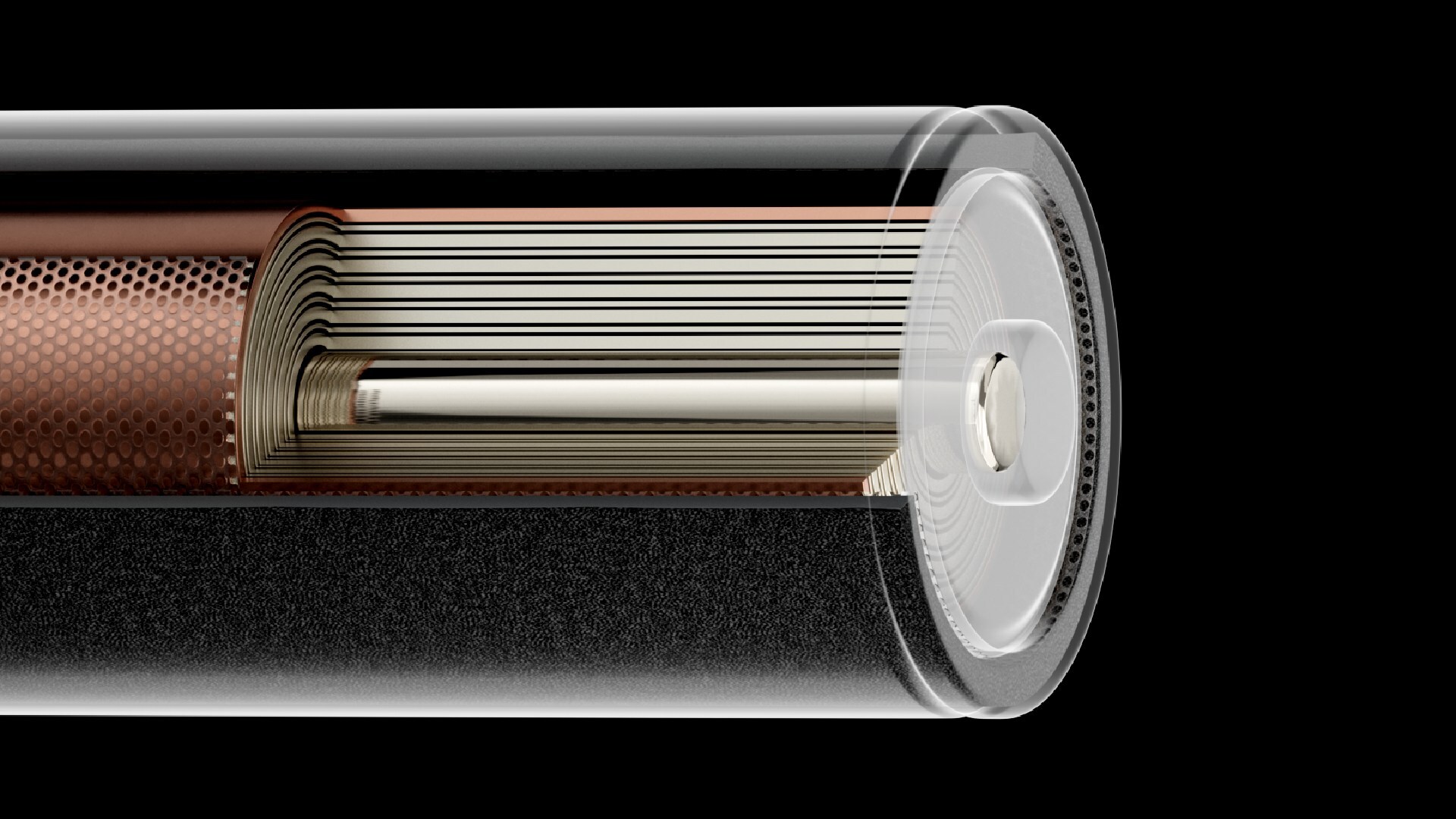
Photo: EV batteries are getting a blended silicon-carbon anode makeover from the UK firm Nexeon, which has just attracted Honda as a new strategic investor (courtesy of Nexeon via prnewswire.com).
Sign up for CleanTechnica's Weekly Substack for Zach and Scott's in-depth analyses and high level summaries, sign up for our daily newsletter, and follow us on Google News!
Have a tip for CleanTechnica? Want to advertise? Want to suggest a guest for our CleanTech Talk podcast? Contact us here.
Sign up for our daily newsletter for 15 new cleantech stories a day. Or sign up for our weekly one on top stories of the week if daily is too frequent.


CleanTechnica uses affiliate links. See our policy here.
CleanTechnica's Comment Policy