
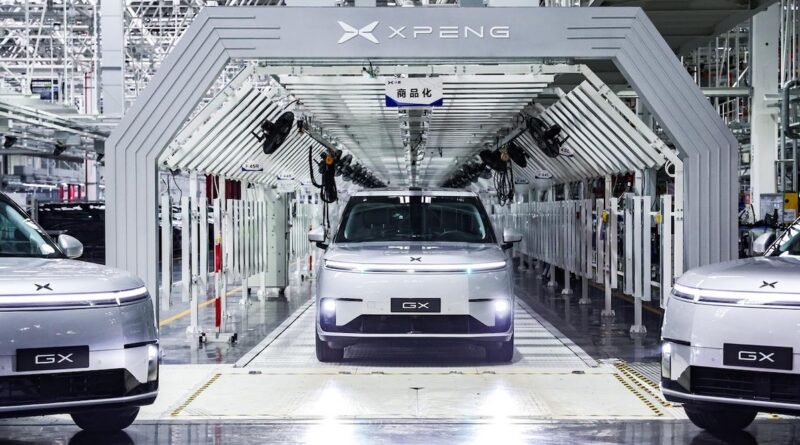
XPENG Starts Producing Robotaxis
Support CleanTechnica's work through a Substack subscription, on Patreon, or on Stripe. Help us produce all of the high-quality, original content we publish week after week despite the challenges of content-scraping AI, antisocial media, inflation, and other hurdles.
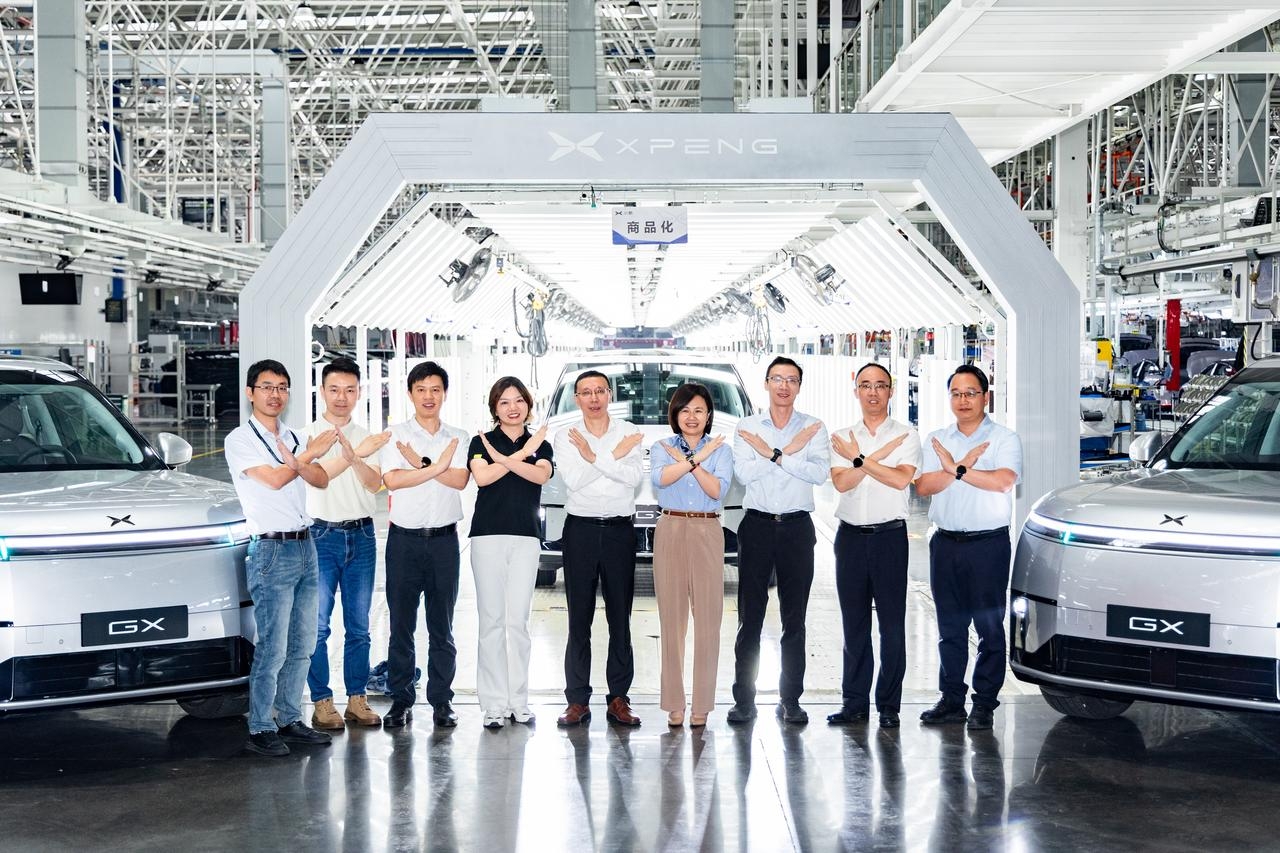
XPENG has been quick to develop its autonomous driving capabilities. It feels like the company is still so young, and now it’s making robotaxis! A couple of days ago, the company announced “the official rollout of its first mass-produced Robotaxi in Guangzhou.”
While there are other robotaxis roaming the roads of China from tech giant Baidu and dedicated robotaxi firms, this is a different thing — it’s a passenger car company producing robotaxis! “This marks the first time in China that an automaker has achieved mass production of a Robotaxi through full-stack, in-house development,” XPENG writes.
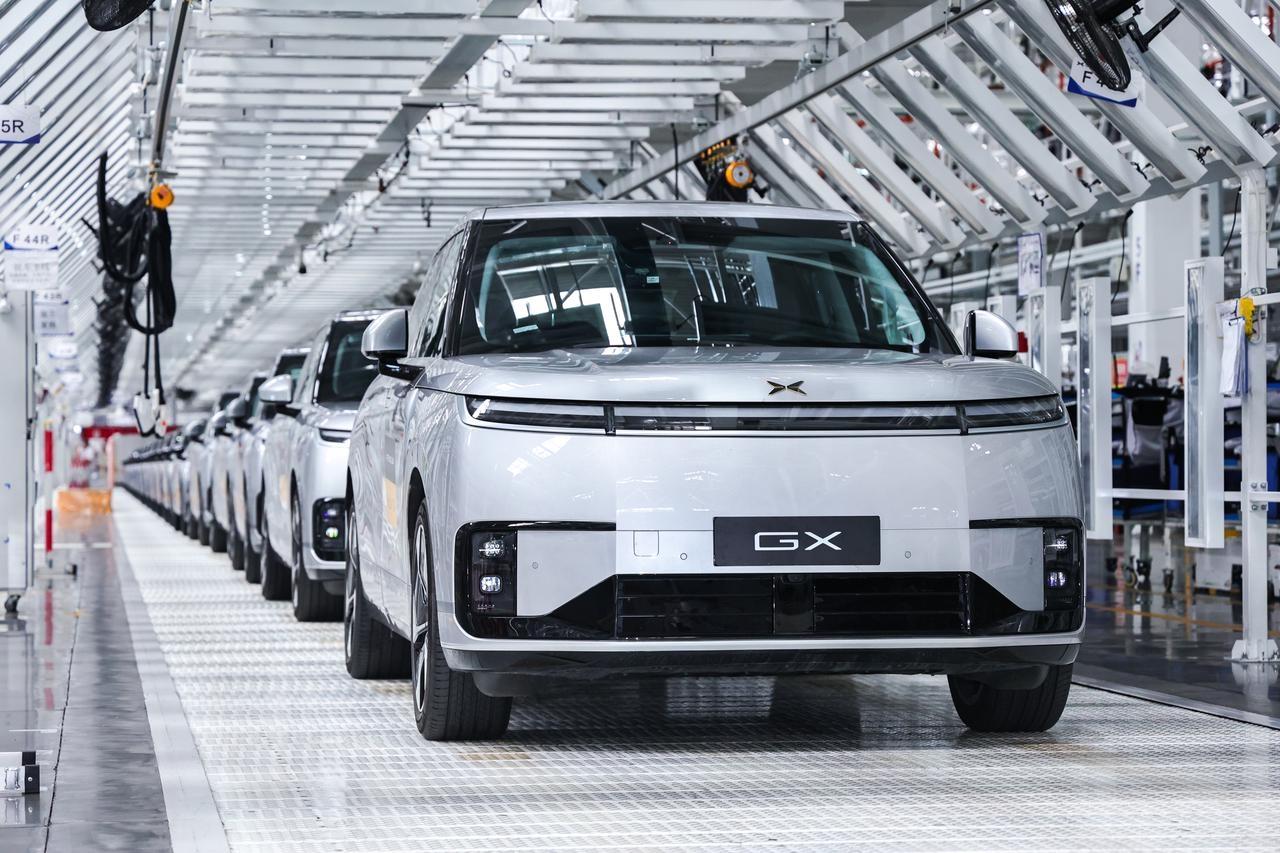
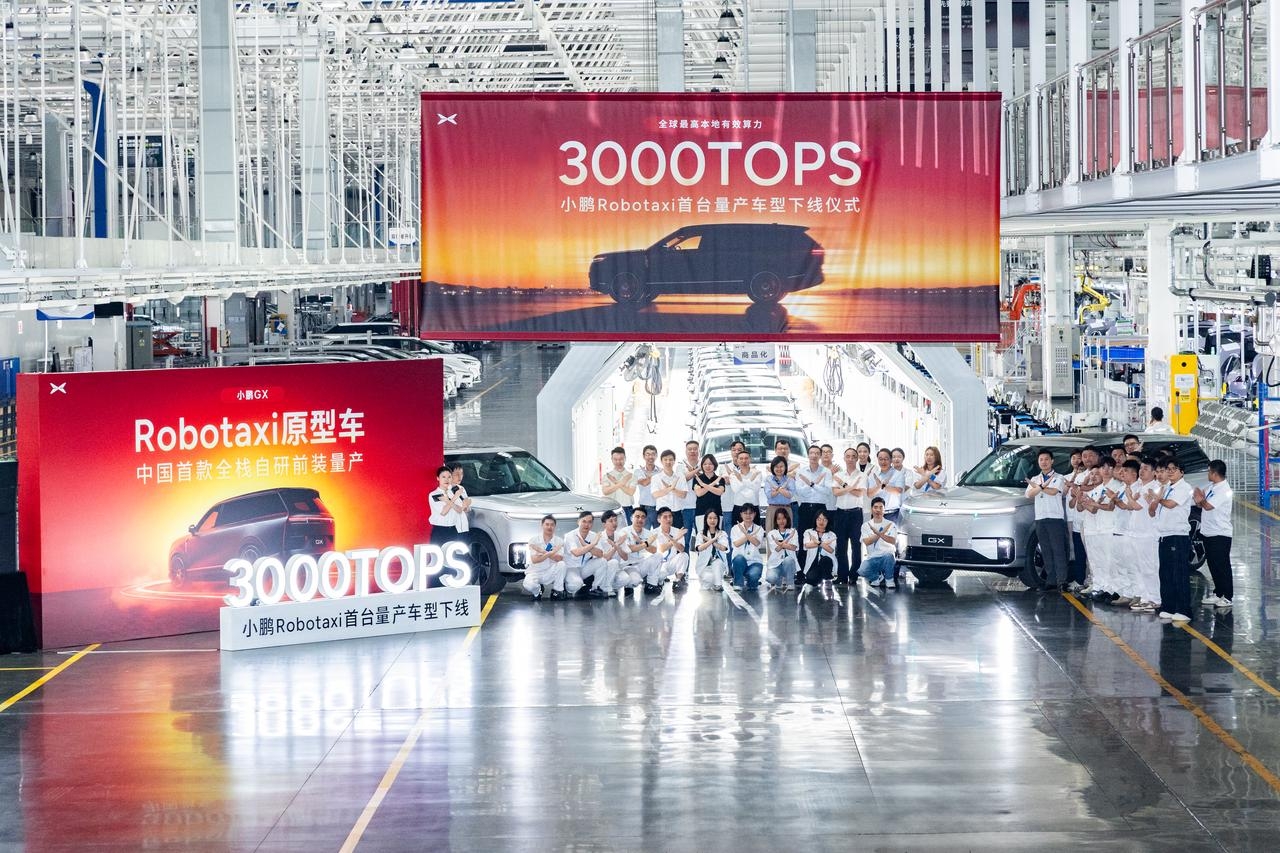
“The newly unveiled Robotaxi, built on the XPENG GX platform, is China’s first production-ready, pre-assembled Robotaxi model developed entirely with in-house technologies and engineered to L4 autonomous driving standards. Powered by four self-developed Turing AI chips, it delivers an industry-leading effective on-board computing power of 3,000 TOPS.” Catch that? “Developed entirely with in-house technologies” tells us that XPENG has developed the core technologies within the robotaxi that make it possible.
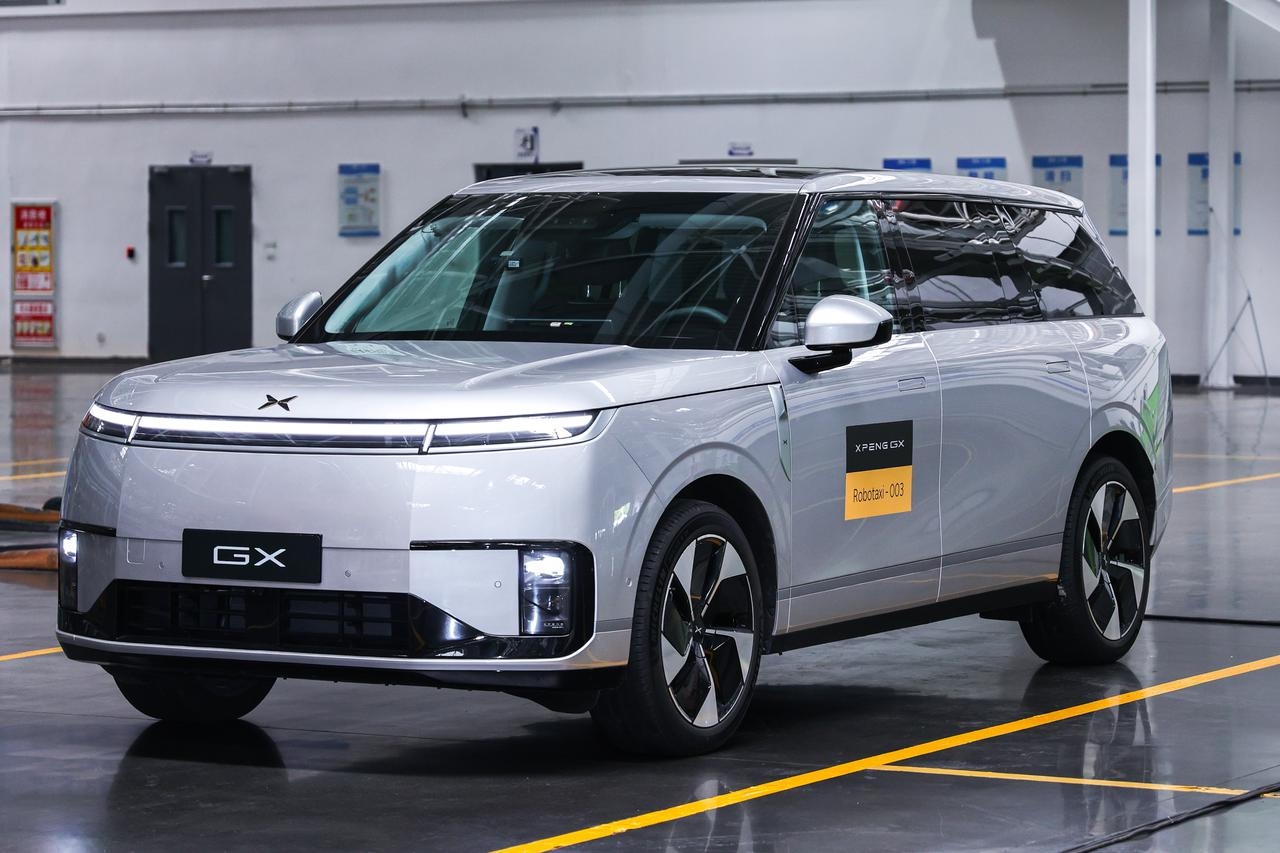
XPENG isn’t playing around. It’s talking about Level 4 autonomous driving capability. Furthermore, it’s already been testing that on the road. “In January of this year, XPENG Robotaxi secured a road testing permit for intelligent connected vehicles in Guangzhou, formally entering the phase of routine L4 public road testing. In March, the company established its Robotaxi business unit to oversee product definition, R&D testing, and operations, thereby accelerating the commercialization roadmap.”
Could XPENG leapfrog Tesla in this regard? Did it already do so? XPENG was once criticized for being too much of a “Tesla copycat” and following too closely in Tesla’s footsteps. But in this case, the company seems to be accelerating ahead. That said, Elon Musk has claimed for years that it’s an unnecessary to use LiDAR in a self-driving vehicle, and XPENG made statements here in exactly the same kind of way. “XPENG’s Robotaxi operates without LiDAR or high-definition maps. Instead, it adopts a pure vision solution, with decision-making driven by the VLA 2.0 end-to-end large model. The model eliminates the language-translation step inherent in traditional ‘Vision-Language-Action’ three-stage architectures, compressing system response latency to under 80 milliseconds. It also offers enhanced urban generalization capabilities, supporting cross-city and even cross-border deployment.”
Then, inside the car, the new GX has features to make the it a comfortable, convenient, smooth vehicle for robotaxi riders. “Designed to deliver premium, safe, luxurious and intelligent travel experience, the mass-produced Robotaxi is equipped with practical intelligent cabin configurations including privacy glass, comfort gravity seats and rear in-car entertainment screens. Passengers can enjoy multimedia entertainment and adjust in-car settings via built-in voice assistant during rides.”
Pilot robotaxi operations are supposed to begin later this year, and programs with no human supervisors onboard are supposed to go live in 2027. “XPENG plans to initiate pilot Robotaxi operations in the second half of this year to validate technical viability, user acceptance, and the complete business model. The company aims to achieve fully autonomous operations without on-site safety officer by early 2027.” XPENG has been quite good at meeting its targets and not overhyping what it’s going to do. This is different from making cars, though. Let’s see how successful it ends up being. However, based on its track record, I have to assume the company is going to make its timeline targets on this.
“The Robotaxi sector is currently at a critical inflection point, transitioning from technical validation to large-scale commercialization. As a full-stack automaker with in-house capabilities spanning software, chips, and complete vehicles, XPENG is positioned to move directly to scaled delivery upon completion of technical validation, thereby shortening the cycle from R&D to commercial operations,” the company adds. Hmm. We’ll see. That seems to be foretelling huge growth from the company. Could 2027 be a massive year for XPENG?
Sign up for CleanTechnica's Weekly Substack for Zach and Scott's in-depth analyses and high level summaries, sign up for our daily newsletter, and follow us on Google News!
Have a tip for CleanTechnica? Want to advertise? Want to suggest a guest for our CleanTech Talk podcast? Contact us here.
Sign up for our daily newsletter for 10–15 new cleantech stories a day. Or sign up for our weekly one on top stories of the week if daily is too frequent.


CleanTechnica uses affiliate links. See our policy here.
CleanTechnica's Comment Policy

