

Could Trade Routes That Once Oppressed Now Liberate The Atlantic From Fossil Fuels? (Skipping the US?)
Support CleanTechnica's work through a Substack subscription or on Stripe.
Or support our Kickstarter campaign!

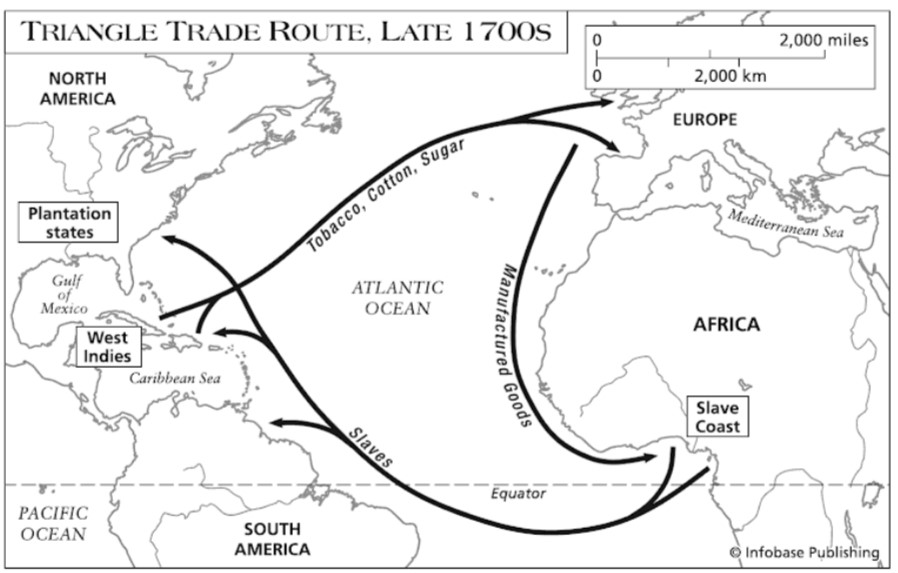
So far this month, we have seen global trade start to realign on multiple fronts. Past relationships are failing. New alliances are forming. Canada created an opening for Chinese EVs. The UK is headed to China to repair the relationship between the two countries. Finland is also looking for a deeper relationship to counter Trump. Countries are embracing cooperation in the face of rising nationalism. People are also boycotting America. Even our friends are trying to talk less about the US (we aren’t all bad, and some of us could use all the friends we can get now).
While it is easy to blame just the abuse of Trump for the realignment, it builds upon a pattern of one-sided selfishness and partner neglect that extends much further. Mechanisms that we created for multilateralism were manipulated for our benefit. Perhaps most notable is the blockage of WTO Appellate Body appointees that would have been able to adjudicate rules-based trade. We also pull out of agreements regularly, making our word worth little. Much of the distorted relationship was fueled by oil and held in place by military spending — created by a coalition of legacy industry, labor for legacy industry, and legacy energy that extended beyond simple party lines. It was unhealthy for progress, unhealthy for our partner countries, and unhealthy for the planet.
However, new possibilities are emerging. I was speaking with my friend George from Ghana last week about much of this. His country is likely on the brink of a major transition. Seeing Remeredzai Joseph Kuhudzai’s recent posts gave me additional context on Africa. While many in America would have a hard time picking these countries out on a map, if you take the time to look, the potential trade implications extend far beyond Africa. Some of the new potential trade routes traverse the same waters as historic routes of human oppression. However, new clean technology has the potential to move previously exploited people out of poverty and also move the world away from fossil fuels.
New Opportunity For Atlantic Trade
Chinese companies are increasingly building clean technology factories in Europe. The BYD Seagull/Dolphin Mini/Dolphin Surf is about to start production in Hungary, to be followed by several other models. In addition, a Turkish factory is under construction and BYD has been seen scouting additional factory sites in Spain. XPENG is making cars in Austria. Geely is expanding production through its array of brands. Leapmotor is making cars in Spain.… Overall, production of EVs for the European market is anticipated to be largely localized. And the Western localization isn’t limited to just Europe. Canada is likely to start manufacturing EVs with Chinese companies. Canada also has deepening trade relations with the EU, which could lead to Canadian exports to Europe as well as Canadians getting access to more European EVs. However, the trade potential extends farther.
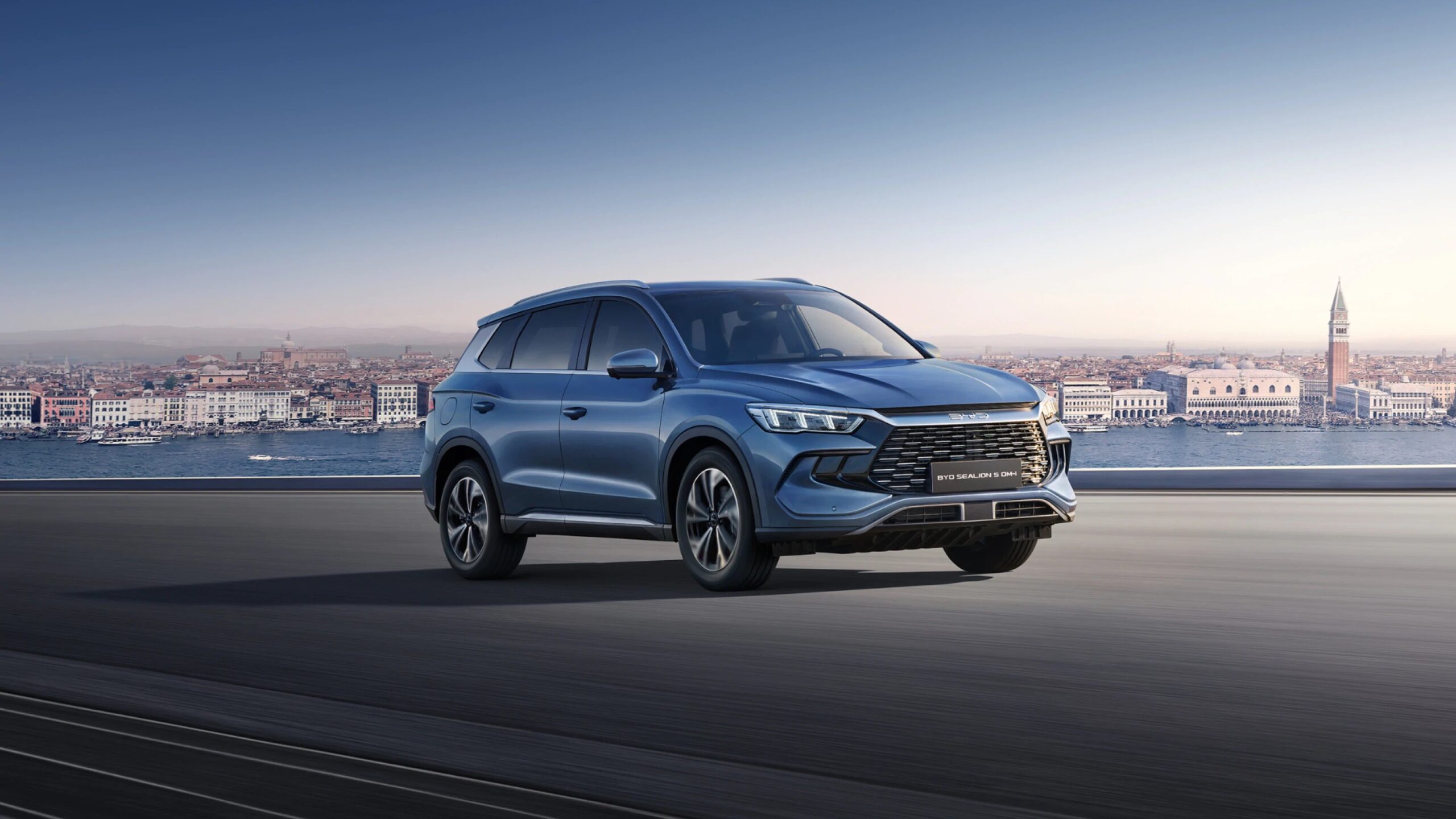
The EU recently established a free trade agreement with Mercosur countries (Argentina, Brazil, Paraguay, Uruguay, and Bolivia). That agreement may still be waiting on a lengthy legal review, but the trade relationship appears to be deepening. Vehicles well suited for Europe are likely to be produced in the local market, but product availability could also expand through trade. Looking to expand product offerings by trading with South America makes sense. South America has a wealth of lithium. BYD currently runs an LFP battery plant in Brazil and started making cars at a former Ford plant last year. Several models make sense for export. For example, the BYD Sealion 5 DM-i was recently introduced in Europe, priced below some ICE SUVs/CUVs. However, this is essentially a 2023 Song Pro. It is not the current Song Pro being sold in China, which has a different interior and exterior, as well as intelligent driving and the more advanced DMI 5.0 platform with greater efficiency and 220 km of battery range. It really does not make sense to manufacture a car in China that isn’t sold in China. But the car sold in Europe is also made in Brazil. These affordable vehicles will sell well in LATAM with local production, but they could also supply Europe. The King is a in similar situation, having been replaced in China with the more efficient, 210 km range Seal 05. But it is also scaling up in Brazil for global markets.
But the realignment can continue. Many African countries have trade agreements with LATAM. 97% of African exports enter Europe tariff-free. All African exports enter China tariff-free. EV manufacturing is expanding on the continent. For example, Ghana is currently establishing a number of EV manufacturing agreements with Chinese companies. BYD has also previously had discussions about manufacturing expansion into Ghana. Chery recently agreed to take over Nissan’s factory in South Africa. Multiple Chinese EV manufacturers are also exploring African manufacturing. Many vehicles tailored for African markets would also likely make sense for South American customers.
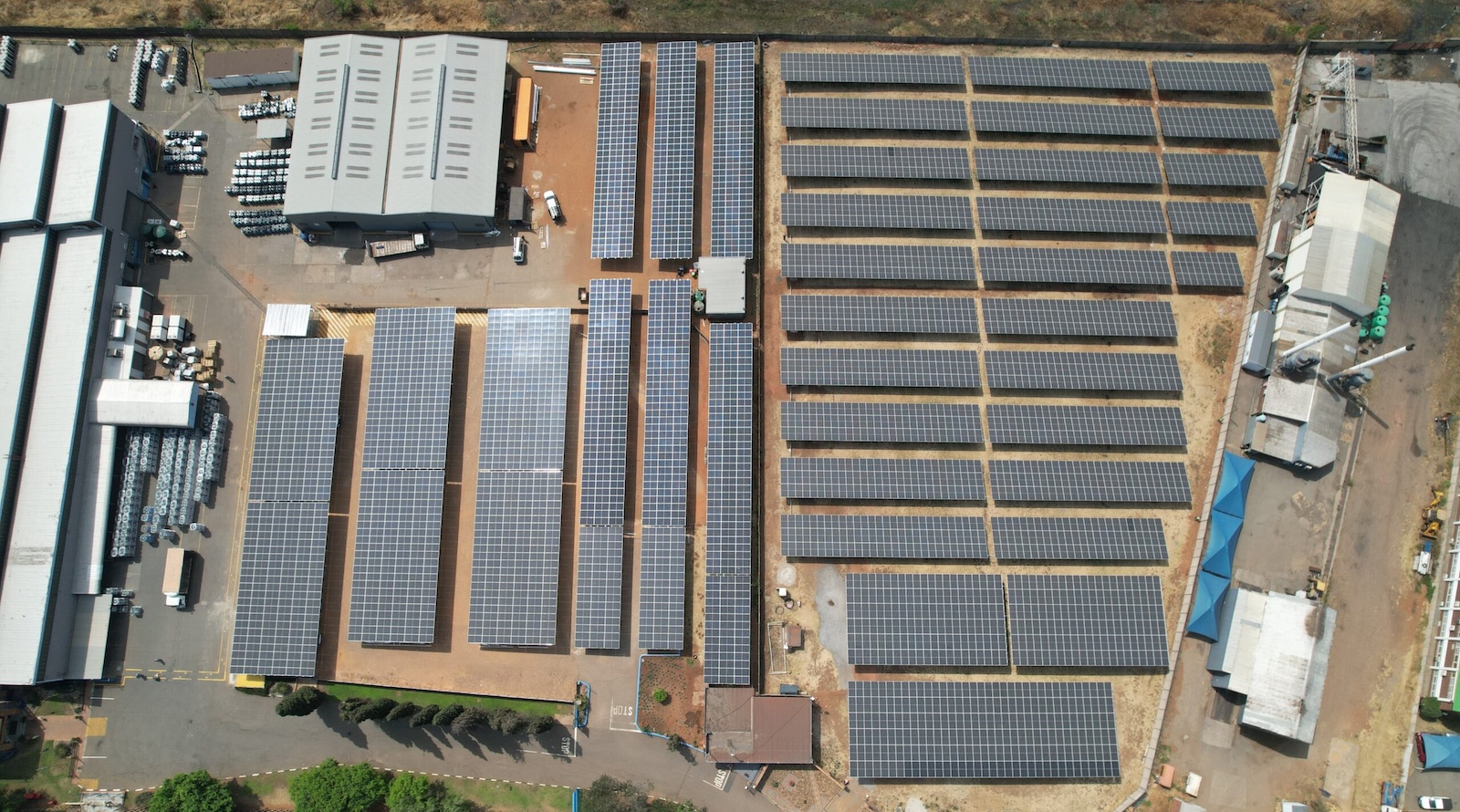
While the Sahara Desert divides the continent, it also provides a great solar resource in relative proximity to several countries. With renewable energy development, electricity could potentially become very inexpensive. Compared to China or Europe, labor prices are relatively low. Education is improving rapidly. Several countries do not only have mineral wealth, but also the increasing capability to process those minerals and add value.
In addition, Africa has a lot of potential to develop a circular economy. Many car imports to Africa are currently used vehicles, but the experience can leave something to be desired. Software isn’t updated, radio stations and some features might not work, etc. It can leave a bad taste in the mouths of buyers who might one day be looking to buy new. With the overall durability of EVs, these cars are far from worn out when they are imported and could stay on the road for many years. I think a kind of factory-certified pre-owned offering, where the cars receive a deep detail, get software updates, get mechanical refreshes, etc. would make a lot of sense. It might not make sense in a country with high labor costs, but it could in Africa. And, once those cars reach end of life, the batteries could then be repurposed or recycled to re-enter the supply chain.
Geography Of Realigning Trade
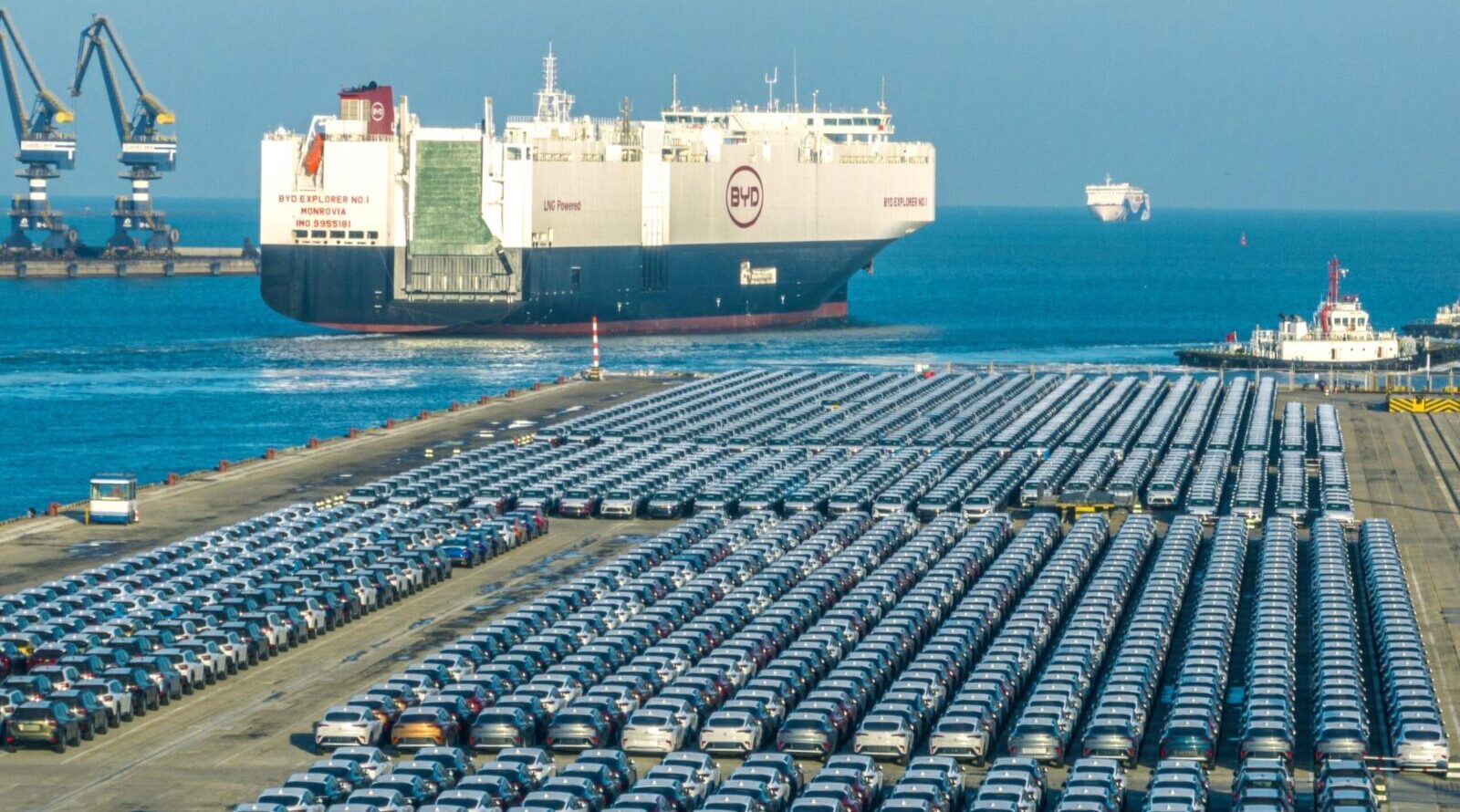
If you look on a map, Africa is fewer than 3000 km from Brazil, much closer than many realize. But ocean currents also make a major contribution. While modern cargo ships can move against the current, they end up going significantly slower and consume more fuel in the process. As such, it often still makes sense for ships to divert from a straight path to catch the currents. In addition, shorter distances between ports and the efficiency provided by ocean currents make green shipping corridors more viable.
Overall, ocean currents take a clockwise pattern in the North Atlantic and a counterclockwise pattern in the South Atlantic. Those currents support shipping from Africa to Brazil and on to other parts of Latin America. There is also an equatorial counter current that flows from South America towards Africa. The current then joins the Gulf Stream to travel north and east to Europe. Eastern Canadian ports are a slight detour.
In the past, these trade routes were dominated by Western companies and had specific cargo at each stop. They delivered oppression for some and wealth for others. However, in a more developed and multilateral world, stops can be made to load and unload goods that benefit each party. Ships can potentially travel full while transporting goods to the next stop on the route.
Of course, Atlantic trade does not mean an exclusion of Asia from trade. BRICS and the Belt and Road Initiative (BRI) have contributed to much of the development of the countries in this emerging trade ecosystem. A realignment of many countries to become more friendly with China is enabling much of the technological development. Many of those countries, like China, were held back by previous colonialism. And Chinese companies are building many of the factories bordering the Atlantic.
Southeast Asia is also expanding at a rapid rate. As China’s economy evolves and labor prices rise, other countries are stepping in to manufacture clean technology products. New plants are being built in Thailand, Indonesia, Vietnam, Pakistan … these will help supply APAC and East Africa, as well as markets further away.
And perhaps the biggest news is the EU’s new free trade agreement with India. Canada seems to be following close behind. India, previously subjugated by the West, could also now play a much larger role in the overall global economic transition away from fossil fuels.
Asia fueling global trade is somewhat expected by now. However, the potential for new Atlantic trade is significant due to changing economic roles and social implications. Countries are moving away from models that simply exploit their resources. In the case of Africa and LATAM, the resource most egregiously exploited by the West was people. While mining has placed scars on the land, the scars on humanity were in many ways more devastating. Global trade now has the ability to empower the descendants of the people it once oppressed.
New, More Equitable Roles
Europe has already largely shifted away from its 19th century role of being the world’s factory. First the US took over, and then Asian countries emerged. Now Africa and LATAM also have the opportunity to emerge, raising their people out of poverty, as we did previously. Their success does not mean that others will be worse off overall. Trade is not a zero-sum game. People trade the value they create for what they value more. However, unlike the destruction of the past Industrial Revolution, the new economic emergence can simultaneously protect the environment globally. And the possibility of realizing previously untapped human potential is something we should all be excited about.
Of course, there is one obvious gap in the emerging trade route. While it may have been a major recipient in the historic slave trade, the US is not positioning itself to receive clean technology trade. As the world realigns, it is a shame to think that trade routes from Europe to Africa to LATAM (and potentially up to Canada) could skip the US. Those trade routes will accelerate access to affordable clean technology, reduce energy prices and improve standards of living. While we took longer to liberate enslaved people than most Western countries, we will also be on the path to becoming one of the slowest to liberate ourselves from fossil fuels.
However, with trade routes passing by our shores, we could easily rejoin the progress. When we do, we will not be the dominant player in clean technology. That ship has already sailed, and we are falling farther behind in our closed market. The world will also be far less dependent on the fossil fuels that we control. Ideally, the overall dynamic will become less about dominance. When we rejoin, we will need to be more of a team player. That might not please the narcissists, but it will ultimately be a healthier relationship for the US and the world overall.
Support CleanTechnica via Kickstarter

Sign up for CleanTechnica's Weekly Substack for Zach and Scott's in-depth analyses and high level summaries, sign up for our daily newsletter, and follow us on Google News!
Have a tip for CleanTechnica? Want to advertise? Want to suggest a guest for our CleanTech Talk podcast? Contact us here.
Sign up for our daily newsletter for 15 new cleantech stories a day. Or sign up for our weekly one on top stories of the week if daily is too frequent.
CleanTechnica uses affiliate links. See our policy here.
CleanTechnica's Comment Policy


