
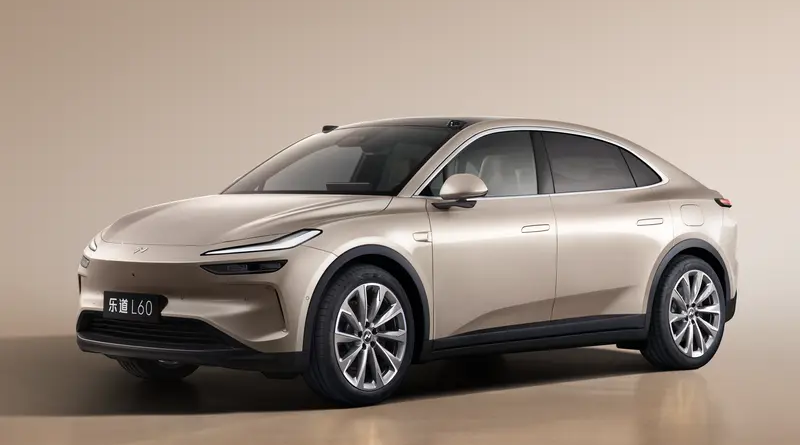
ONVO Exec Torches Extended-Range Electric Vehicles

The debate of the last 15 years rages on. Should automakers just focus on transitioning to fully electric vehicles as quickly as possible, or should they play in the half-electric, half-fossil fuel pool?
The Chevy Volt extended-range electric vehicle was released in 2010, a decade and a half ago. It had 40 miles of electric range and than a gas backup if you ran out of electricity. People loved it, especially considering that the fully electric Nissan LEAF it was competing with offered just about 70 miles of range… Many hoped that GM would use the technology in an SUV, a pickup truck, and more. But that didn’t happen.
Some automakers developed plugin hybrids with about half the electric range (if that). Others focused on fully electric vehicles. EV battery prices dropped off a water slide, and we now have electric vehicles with a few hundred miles of range for the price of that original Nissan LEAF.
It looked like full electrics would run away with the market, as they’ve all but done in Norway. However, as electric vehicle adoption has exploded in China, the country has brought back extended-range electric vehicles and adopted them more and more as a result. Not all are sold on this, though.
Shen Fei, the president of ONVO, NIO’s family-oriented sub-brand, has “chosen violence,” as social media jokers say these days. He has torn into the concept. Shen says that using large batteries like this in combination with a fossil-fueled powertrain is “a waste of resources.” The Paper, which conducted the interview with Shen, summarized his argument beyond that, stating that “not only do they take up more interior space, but the additional 15,000 yuan for a range extender also brings unnecessary cost burdens to car manufacturers and consumers.” That’s one thing I often think about — you’ve got to deal with the maintenance and potential repair of two different powertrains or fuel systems. Maybe that’s not a big problem for a couple of years, but it would theoretically add significant cost down the road.
Plus, as Shen said, it takes up more space and is just a waste of resources. And it all raises costs.
I like this Shen guy. What do you say?

