

NCP Chlorchem & Terra Firma Roll Out One Of South Africa’s Largest Behind-The-Meter Industrial Solar Installations
Support CleanTechnica's work through a Substack subscription or on Stripe.
The impressive technological progress in the solar industry over the past decade has resulted in a drastic reduction in prices of solar panels. This has accelerated the adoption of solar around the world. Having lagged compared to other places, solar panel shipments to a lot of African countries have surged over the past couple of years, led by South Africa. A lot of this adoption is being driven by large corporations looking to integrate more clean renewable energy in their energy mix. Of course, the unit economics of solar makes more sense now than ever before, meaning corporations will get to enjoy lower energy costs through offsetting daytime grid consumption with onsite solar or even through wheeling from operators that generate electricity offsite using solar panels.
Speaking of onsite solar installations in South Africa’s C&I sector, NCP Chlorchem, a major producer of chlorine and related chemicals used to treat drinking water, and Terra Firma, a developer of commercial and industrial solar and battery storage solutions, have launched a 27 MWp multi-phase solar program. When all the phases of this project are done, this project will be one of the largest standalone behind-the-meter industrial installations in South Africa and will be located at NCP’s main production site. 27MW of solar PV all installed at one site is a pretty big deal anywhere in the world, and it’s great to see projects of this magnitude in South Africa. This NCP facility is classified as a National Key Point, reflecting its strategic role in ensuring the supply of safe, clean water to millions of South Africans.

Over the past 15 years, electricity tariff increases have raced past CPI. The Centre for Renewable and Sustainable Energy Studies (CRSES) at Stellenbosch University says South Africa saw a significant rise in electricity costs between 2008 and 2023 (720%), which far outpaced SA’s inflation during the same period (215%), strongly incentivising more efficient electricity use and, from the mid-2010s, self-generation.
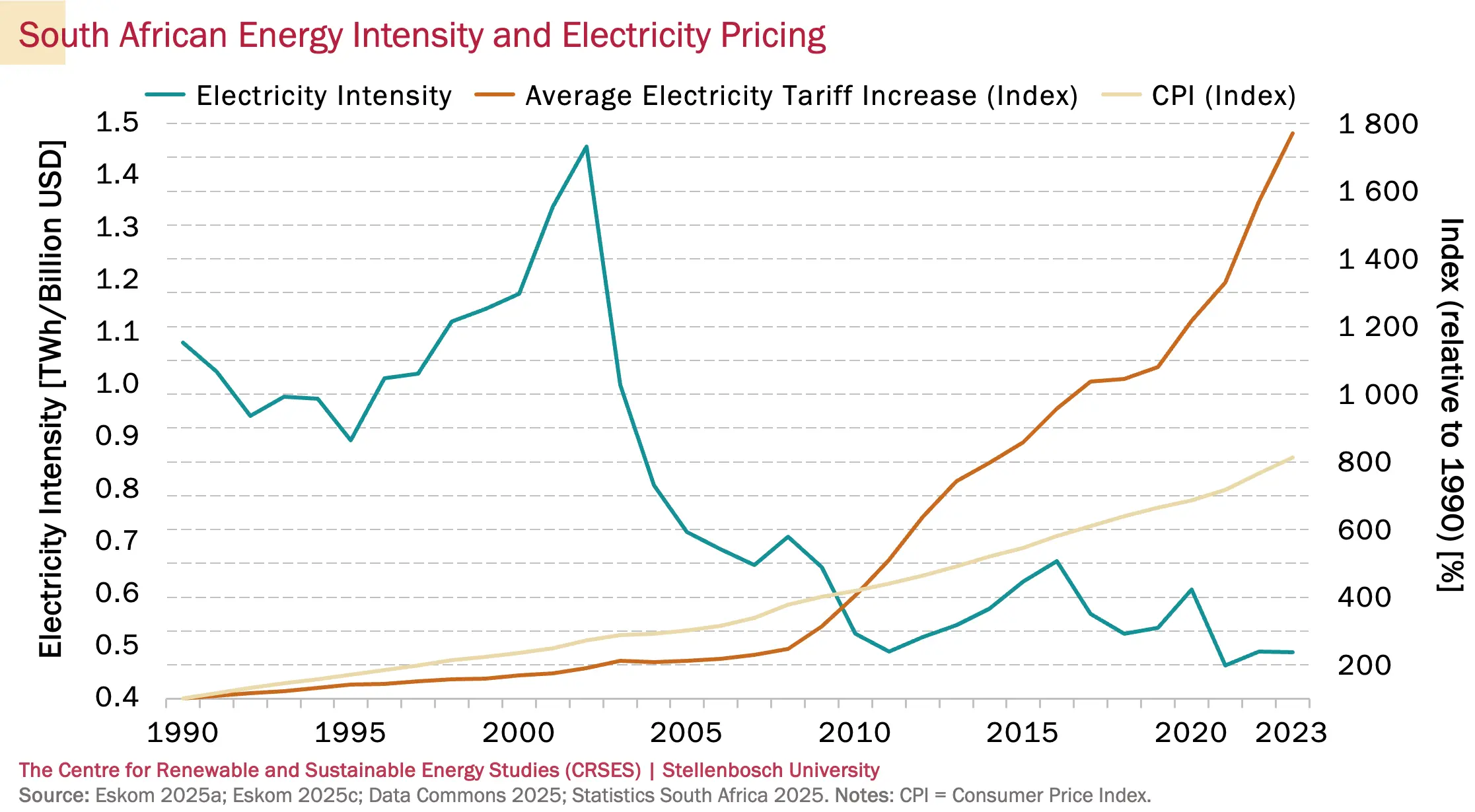
This environment characterized by high electricity tariffs has resulted in more companies adopting solar as shown in the chart below. Of course electricity rationing in South Africa over the past 5 years or so has also helped catalyze adoption. South Africa had to implement electricity rationing schedules due to an acute electricity generation shortfall. The worst of load-shedding seems to be behind us now, however, solar installations are still going strong as South Africans move to cushion themselves from the high electricity tariff environment.

NCP’s plant adds to this ever-growing installed capacity, adding some good clean renewables to South Africa’s electricity generation mix, which is great for a country where the electricity generation is dominated by coal-powered plants. NCP’s collaboration with Terra Firma on this solar program will supply a significant share of the site’s electricity demand, with several phases already completed, additional capacity coming online early in 2026, and full completion targeted by the end of 2026.
Terra Firma says as South Africa’s essential industries, such as NCP’s water chemicals plant, contend with soaring energy costs, an unstable grid and growing pressure to decarbonize, onsite renewables are becoming integral to long-term cost management and operational stability. As NCP’s operations are highly energy-intensive, long-term energy planning and emissions reduction have become central to its sustainability strategy. NCP’s solar journey began in 2023 with a 1.1 MWp pilot implemented under earlier regulatory caps that limited project size. South Africa has removed the old stringent regulatory requirements for licenses for large plants to catalyze adoption of solar by corporates. This has also played a major role in boosting solar installations in South Africa. NCP then expanded the solar plant’s capacity by adding a second phase of around 10 MWp combining rooftop, carport, and ground-mounted systems, now in the final stages of commissioning. A further 17.5 MWp is under construction, bringing total capacity to 27 MWp.
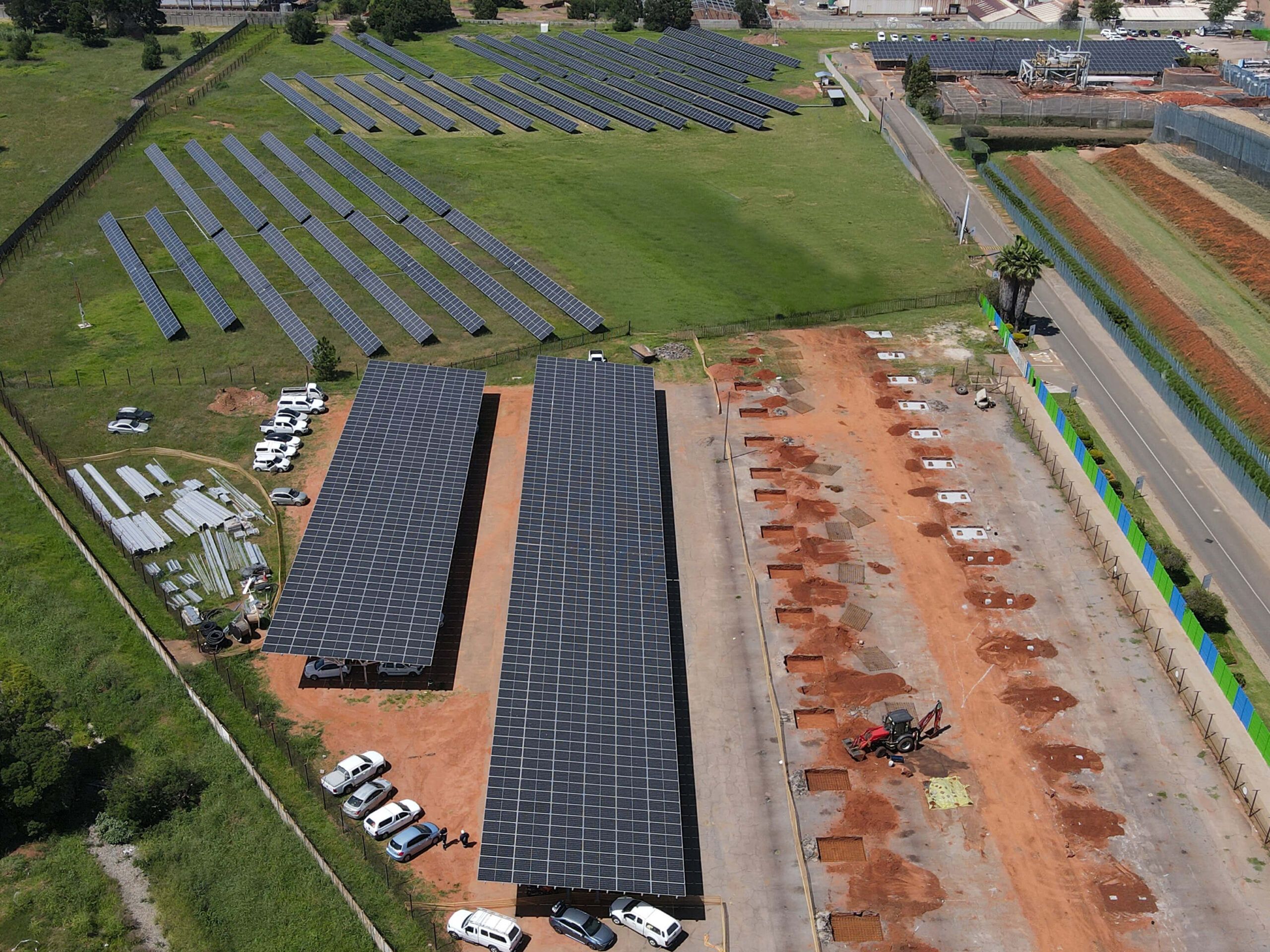
“As a producer of essential chemicals used in water and sanitation, sustainability is central to how we operate,” said Schalk Venter, MD, NCP. “Working with Terra Firma has allowed us to lower our carbon emissions and manage long-term energy costs more effectively. It’s a major step in building a more resilient and sustainable future for our operations.”
“As South Africa’s energy transition accelerates, more large energy users in complex industrial sectors are turning to onsite renewable systems to meet their cost and sustainability targets,” said Grant Berndsen, CEO, Terra Firma. “Supporting a facility as vital as NCP’s, where uninterrupted operations are essential to public health, highlights the importance of getting these projects right. Integrating a 27 MWp solar system into a live chemical production site demands careful planning and collaboration, with the highest possible safety standards and processes. The success of this programme shows how renewables can be delivered effectively within such a high-stakes environment. It sets a benchmark for secure, compliant industrial decarbonisation.”
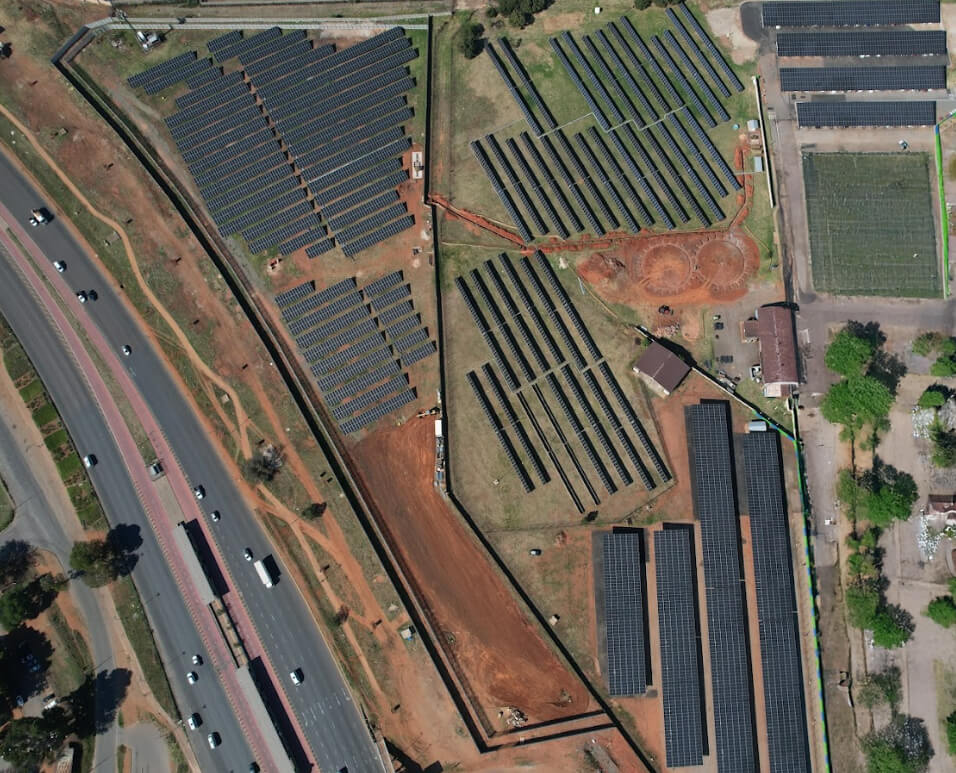
It’s great to see all this progress in the South African solar sector. I remember in my early days in the solar industry, around 2015, the most common solar panel was the 250W polycrystalline module. Nowadays it’s quite common here to find 615W modules, and modules made with monocrystalline cells are now more widely available at prices most consumers looking to install solar panels can afford. So in just 10 years, the most common solar module size has increased by about 2.5X. With solar panels now more affordable than ever, it means more homes and businesses can install solar panels on the space they have for much less. With the prices of solar panels at record lows, more companies will be encouraged to cover their carparks and rooftops with solar panels. It just makes more financial sense to add solar to your energy mix these days.
Prices of batteries for stationary storage applications have also fallen significantly over the past decade, allowing more homes and businesses to couple batteries with their existing or new solar installations. The synergistic effects between solar and batteries will drive further growth in the adoption of both technologies.
Images courtesy of Terra Firma
Sign up for CleanTechnica's Weekly Substack for Zach and Scott's in-depth analyses and high level summaries, sign up for our daily newsletter, and follow us on Google News!
Have a tip for CleanTechnica? Want to advertise? Want to suggest a guest for our CleanTech Talk podcast? Contact us here.
Sign up for our daily newsletter for 15 new cleantech stories a day. Or sign up for our weekly one on top stories of the week if daily is too frequent.


CleanTechnica uses affiliate links. See our policy here.
CleanTechnica's Comment Policy

