
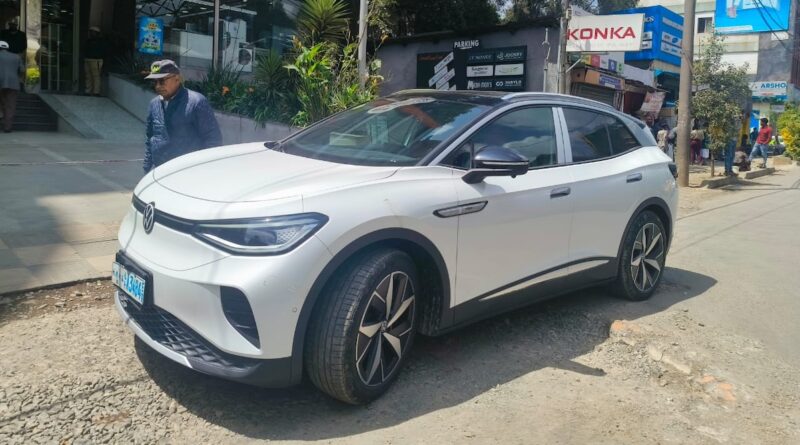
Ethiopia Could Open EV Floodgates Across Africa, Asia, And Beyond
Support CleanTechnica's work through a Substack subscription, on Patreon, or on Stripe. Help us produce all of the high-quality, original content we publish week after week despite the challenges of content-scraping AI, antisocial media, inflation, and other hurdles.
Last year, when Ethiopia decided to ban the import of fossil fuel vehicles, it was a huge and unprecedented move — not just for Africa, but for any country in the world. One immediately had to wonder, is this really going to happen? Were there going to be various concessions or exceptions, or would the country leadership receive backlash and rescind the policy? Or, optimistically, would other countries be inspired by Ethiopia and follow suit?
First of all, for an update on how things are going, read Remeredzai Kuhudzai’s latest article detailing recent news in Ethiopia with regard to this. It’s an excellent and fascinating piece. In short, though, the policy is still in place and the country has also just banned semi knocked down (SKD) and completely knocked down (CKD) kits for fossil fueled vehicles.
This news brought me back to the hope I had last year — that Ethiopia would inspire other countries to implement similar policies, especially countries without any core oil and gas industry. I’m certainly a little disappointed that Ethiopia still stands alone in this regard, but with the policy being reinforced and expanded rather than pulled back, and the country surely benefiting in multiple ways, one has to think that other countries will take note and eventually start implementing similar — or the same — policies.
We also now have BYD bringing competitive, affordable electric cars to more and more markets. A string of other auto companies are trailing behind it and trying to do the same. The options are growing, and several automakers are going to be looking more and more for markets to expand into. Imagine if a handful of countries around or near Ethiopia decide to do what Ethiopia has done. I could imagine these becoming hot, key markets for certain EV models. But, really, Ethiopia’s leadership should be inspiring countries around the globe.
If one or two countries copied Ethiopia’s policies, I think that could open up the floodgates for similar pro-EV policies (and EV sales) in countless countries. Why wouldn’t it? If Ethiopia’s fossil-fueled vehicle import ban works and helps the country, why wouldn’t other countries learn the lesson and come up with a similar/the same import ban?
I’m waiting for the floodgates to open on this one. Hopefully soon.
This article is also being published as our weekly column on Substack. You can subscribe there to help support CleanTechnica’s years of work in the cleantech media industry.
Sign up for CleanTechnica's Weekly Substack for Zach and Scott's in-depth analyses and high level summaries, sign up for our daily newsletter, and follow us on Google News!
Have a tip for CleanTechnica? Want to advertise? Want to suggest a guest for our CleanTech Talk podcast? Contact us here.
Sign up for our daily newsletter for 10–15 new cleantech stories a day. Or sign up for our weekly one on top stories of the week if daily is too frequent.


CleanTechnica uses affiliate links. See our policy here.
CleanTechnica's Comment Policy

