
More Rapid Renewable Energy & Energy Storage Deployment Needed for a Resilient Power Grid in Puerto Rico
Support CleanTechnica's work through a Substack subscription, on Patreon, or on Stripe. Help us produce all of the high-quality, original content we publish week after week despite the challenges of content-scraping AI, antisocial media, inflation, and other hurdles.
Results of the PR100 study outline near- and short-term strategies for Puerto Rico to achieve a renewable power grid by 2050
SAN JUAN, Puerto Rico—With lots of solar and wind power, energy storage, and advanced extreme weather impact modeling, Puerto Rico could achieve a 100% renewable power grid by 2050. These and other recommendations are the results of the Puerto Rico Grid Resilience and Transitions to 100% Renewable Energy Study (PR100), announced today.
For the last two years, six Department of Energy national laboratories, with extensive input from stakeholders in Puerto Rico, studied how the island can build a renewable, resilient grid.
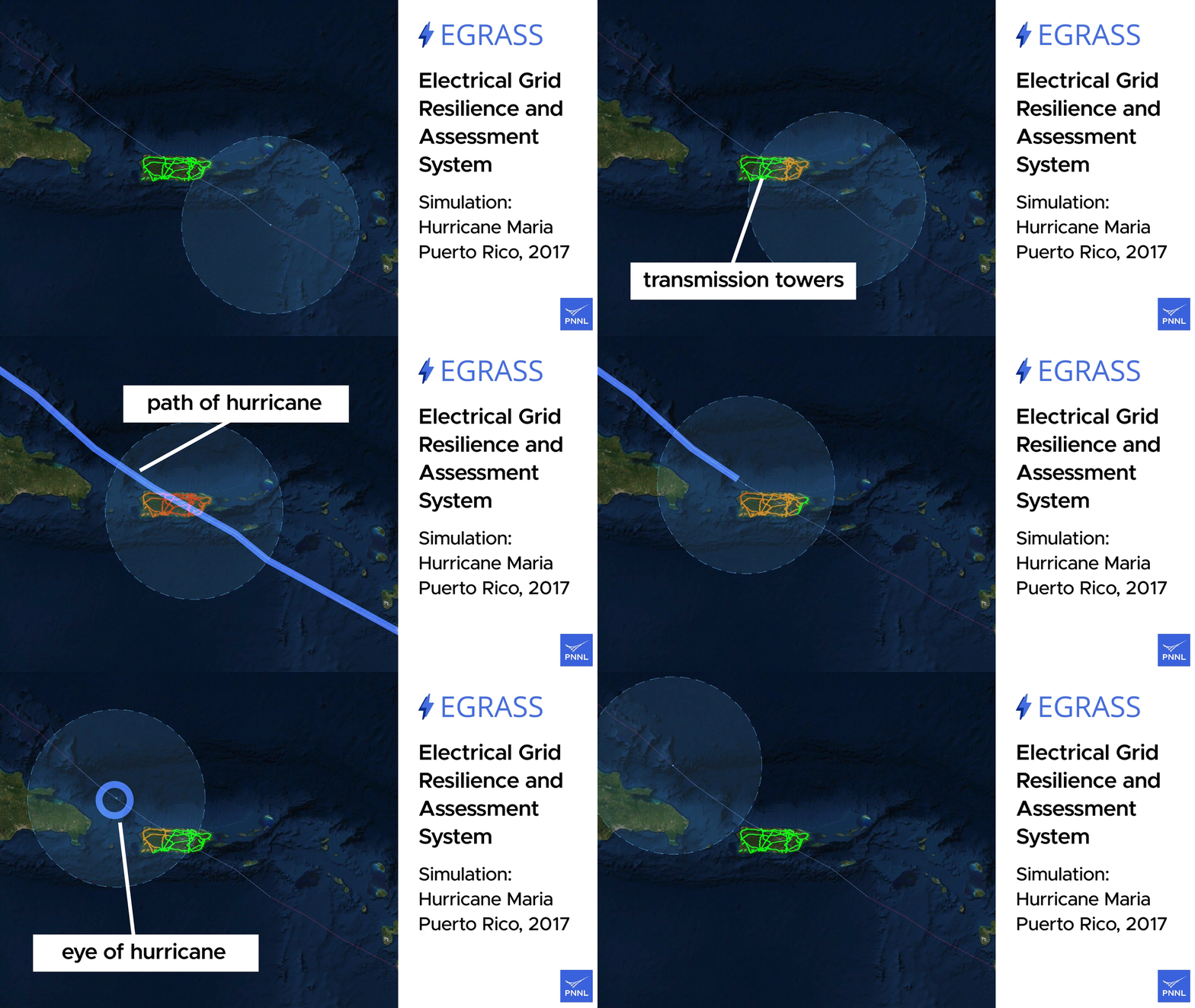
Pacific Northwest National Laboratory researchers led much of the resilience and reliability modeling for the study. In one portion of the study, researchers simulated a future renewables-based power grid using the Electrical Grid Resilience and Assessment System (EGRASS) model—and then hit it with 100 hurricanes to analyze the system recovery after severe damage with the Recovery Simulator and Analysis model. They also looked at how technologies such as grid-forming inverters would help create a more reliable grid.
“We’re in a position now to help Puerto Rico be in control of their renewable energy efforts as they progress toward a 100% renewable, resilient grid,” said Marcelo Elizondo, principal electrical engineer at PNNL and lead researcher on PNNL’s contributions to the PR100 study.
The study results outline both near- and short-term strategies for Puerto Rico to build a resilient, reliable grid in the face of major hurricanes and natural disasters. The results emphasize accelerating deployment of renewable energy generators such as rooftop solar panels, the critical need for energy storage to stabilize the grid in case of a disruption in energy generation and enhanced extreme weather impact modeling to prepare for hurricanes.
Learn more from the Department of Energy.
The PR100 study is funded by the Federal Emergency Management Agency and managed by the Department of Energy’s Grid Deployment Office.
Courtesy of Pacific Northwest National Laboratory. By JoAnna Wendel, PNNL
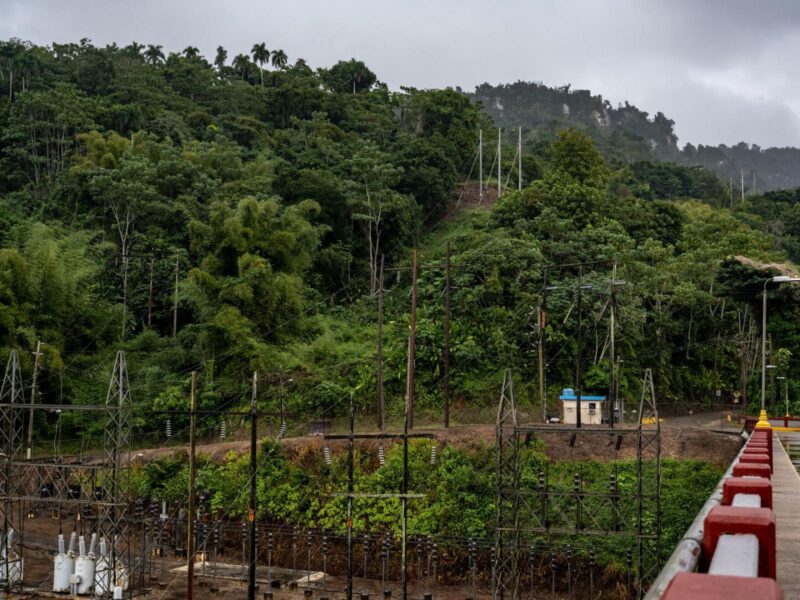
Featured photo by Andrea Starr
Sign up for CleanTechnica's Weekly Substack for Zach and Scott's in-depth analyses and high level summaries, sign up for our daily newsletter, and follow us on Google News!
Have a tip for CleanTechnica? Want to advertise? Want to suggest a guest for our CleanTech Talk podcast? Contact us here.
Sign up for our daily newsletter for 10–15 new cleantech stories a day. Or sign up for our weekly one on top stories of the week if daily is too frequent.


CleanTechnica uses affiliate links. See our policy here.
CleanTechnica's Comment Policy

