

Coastal Chemistry Improves Methane Modeling
Support CleanTechnica's work through a Substack subscription, on Patreon, or on Stripe. Help us produce all of the high-quality, original content we publish week after week despite the challenges of content-scraping AI, antisocial media, inflation, and other hurdles.
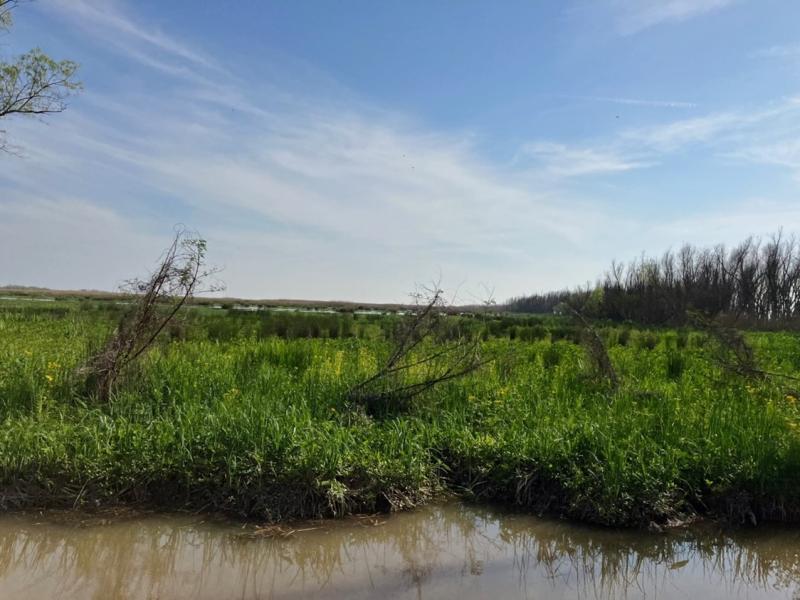
Scientists at Oak Ridge National Laboratory are using a new modeling framework in conjunction with data collected from marshes in the Mississippi Delta to improve predictions of climate-warming methane and nitrous oxide emissions from soils in coastal ecosystems.
Underlying processes such as sulfur cycling and influences like salinity in these waterlogged wetland soils drive how quickly organic matter is broken down and how much is converted into methane, a gas 28 times more potent than carbon dioxide at warming the atmosphere.
“We developed this chemical reaction framework that includes a lot of different reactions,” said ORNL researcher Benjamin Sulman. “This model established that methane fluxes from bubbles are highly variable and account for a large fraction of total fluctuations.”
Incorporating these biogeochemical processes into the land module of the DOE Energy Exascale Earth System Model will depict global methane fluctuations more accurately.
Courtesy of Oak Ridge National Laboratory. By Gabriela Vara
Sign up for CleanTechnica's Weekly Substack for Zach and Scott's in-depth analyses and high level summaries, sign up for our daily newsletter, and follow us on Google News!
Have a tip for CleanTechnica? Want to advertise? Want to suggest a guest for our CleanTech Talk podcast? Contact us here.
Sign up for our daily newsletter for 10–15 new cleantech stories a day. Or sign up for our weekly one on top stories of the week if daily is too frequent.


CleanTechnica uses affiliate links. See our policy here.
CleanTechnica's Comment Policy

