US public transit

Chatgpt generated: The mechanics of a transit death spiral mapped onto a single block

The Clock Is Ticking for U.S. Transit: State Action or Service Collapse

Transit death spirals do not start with a single dramatic event. They begin when operating gaps push agencies to trim frequency, defer maintenance, and raise fares, which in turn push riders away and deepen the hole. It is not inevitable. It is, however, on a short clock. Preventing service collapse … [continued]
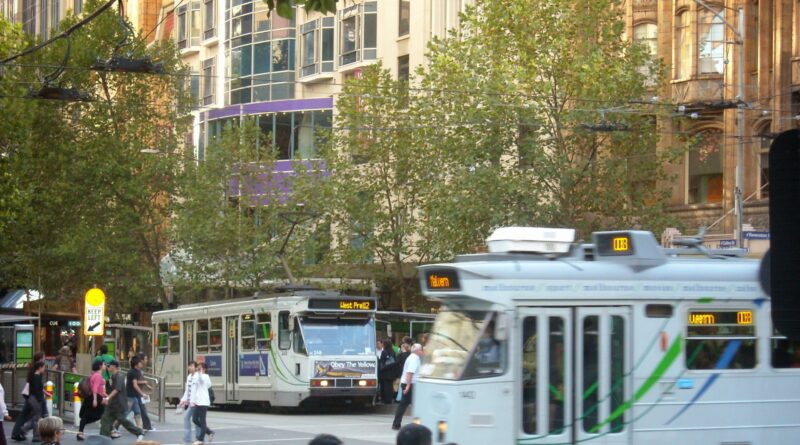
Melbourne, Australia is a healthy city. Active streets with less car dependence, lots of mass transit and pedestrians. Photo by Naomi Cole.

A Love Song to Smelly, Inconvenient, Glorious Mass Transit

Mass transit doesn’t have a lot of cheerleaders. People love their cars, despite the harm they cause us, but who loves their bus? And who sees transit as a vital decarbonization strategy when electric vehicles steal the spotlight? Yet people who ride transit emit significantly less CO2 than people who … [continued]

Spatial Mismatch — Sprawl & Poor Transit Further Unemployment

Social and economic equality and inequality have many root causes. A paper published in the mid-196os examined the “spatial-mismatch hypothesis.” John Kain, an economist at Harvard University, found a significant connection between unemployment rates (especially in minorities) to this theory of the geography of unemployment. The description “spatial mismatch” finds higher low-income community unemployment due … [continued]