shipping

Can Ship Design Stop Methane Emissions In Shallow Waters?

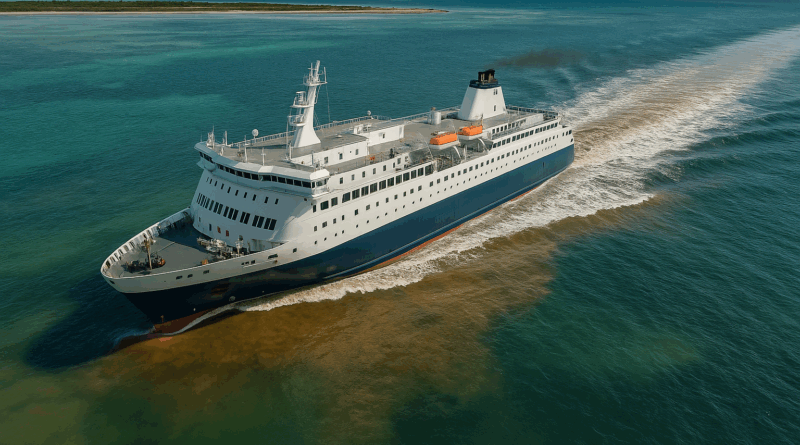
I was recently asked if reducing ship speeds is the only available solution to the methane emissions documented in a recent study from the journal Communications Earth & Environment. The research, focused on ship traffic in Neva Bay, Russia, revealed that vessels traveling faster than 12 knots with hull drafts … [continued]

Renewable-Powered Battery Swaps: Unlocking Ship Electrification At Global Canals

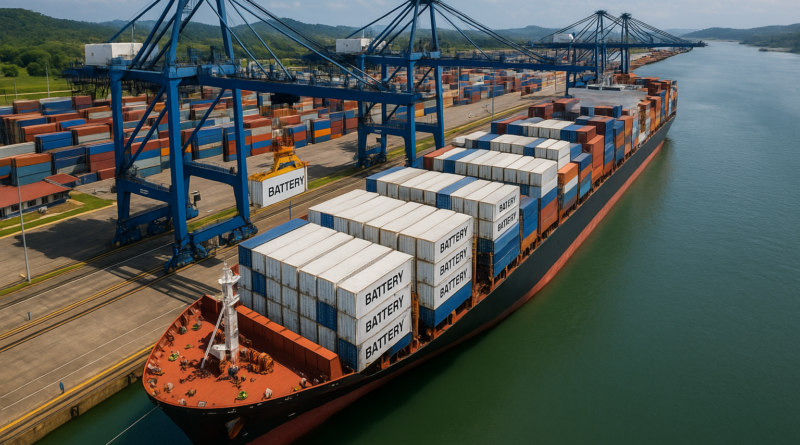
The Maersk McKinney Moller Institute published an analysis in late 2024 exploring the potential for battery-electric shipping. Their study rightly concluded that battery-powered ships are not only viable but increasingly competitive, driven by falling battery prices, rising energy density, and straightforward integration of battery containers onto vessels. They missed on … [continued]

Why Shipping’s Low-Carbon Future Relies More on Batteries & Biofuels Than Methanol

Maritime shipping, responsible for approximately 3% of global greenhouse gas emissions, stands at an unprecedented turning point. As we progress toward mid-century, decarbonization is no longer optional but mandatory, driven by stringent international regulations, including the International Maritimate Organization’s recent fuel carbon pricing decision and corporate sustainability commitments. This requirement … [continued]

Ports Plugging In: From Ground Vehicles To Ocean Shipping

Ports around the world face an enormous sustainability challenge. Currently responsible for approximately 3% of global carbon emissions, maritime operations and related logistics are under intense scrutiny to reduce their environmental impact. The 30-year roadmap outlined in my port electrification series provides a detailed, phased strategy to transition ports fully … [continued]

30 Years Later: The Port That Turned Batteries, Data, and Wind into New Profit

By the time a port reaches the twenty-year mark on a thirty-year decarbonization roadmap the engineering problems are largely solved and the hard infrastructure is mostly in place; what remains is equal parts disciplined execution, digital finesse and opportunistic scaling. This logical progression builds upon the successful groundwork established in the … [continued]

Powering the Future: A 30-Year Roadmap to Zero-Emission Port Operations

European ports face an increasingly urgent mandate to reduce carbon emissions across their landside and waterside operations, driven not only by climate policies but also by local air quality concerns. The scale of the challenge is enormous yet manageable, provided clear strategies and timelines are established. My perspective is straightforward. … [continued]

Global Ferry Electrification Accelerates: 70% Of New Orders Go Electric

Seventy percent of ferries currently on order globally now feature electric drivetrains, a remarkable shift underscoring just how rapidly maritime transportation is decarbonizing. Norway has about 70 electric ferries running already, and there are likely north of 200 globally. There are about 15,400 ferries in operation around the world, new … [continued]

China Zorrilla: How The World’s Largest Electric Ferry Changes Maritime Electrification

The launch of the all-electric ferry China Zorrilla, expected to be operating between Argentina and Uruguay, represents a landmark event in global maritime electrification. Commissioned by Buquebus, a major regional ferry operator connecting Buenos Aires and Montevideo, this vessel is—for now—the largest battery-electric passenger and vehicle ferry in the world. … [continued]