Supported By Big Oil, Data Center Boom Faces Growing Local Opposition
Fossil fuel companies like Exxon see powering data centers as an important new revenue source and are making promises they can’t keep.

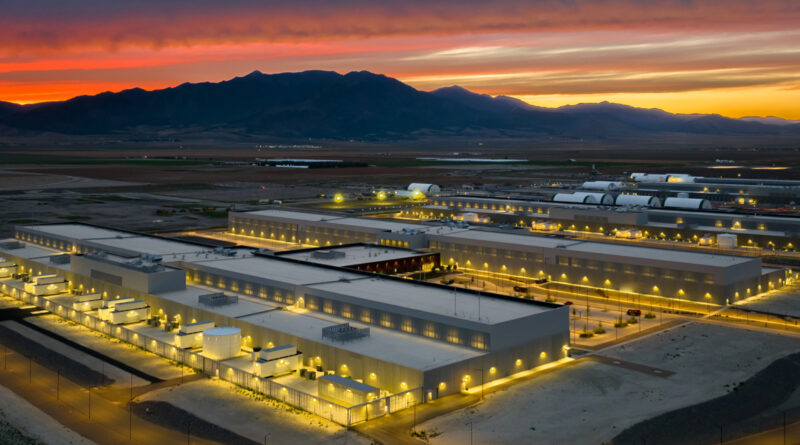
Fossil fuel companies like Exxon see powering data centers as an important new revenue source and are making promises they can’t keep.
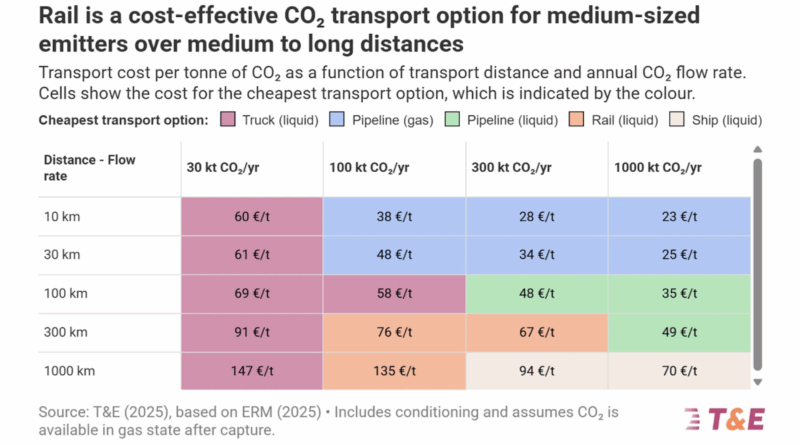
Why we still need carbon, how much is sustainable, and how should we move it around? Why do we still need to capture carbon for the future green transport system? To achieve its net-zero target by 2050, Europe must decarbonise all of its transport sector. While direct electrification is rapidly … [continued]

A study by the Royal Academy shows that geoengineering is fraught with climate and political dangers that could backfire on humanity.

I was first introduced to Atalanta Climate at the Hardware Meetup for Climate Week NYC. The company had been carting visually intriguing prototypes of their Ovi carbon dioxide (CO2) removal devices around the city on trailers behind bikes, showing them to both interested locals and global leaders in town for … [continued]
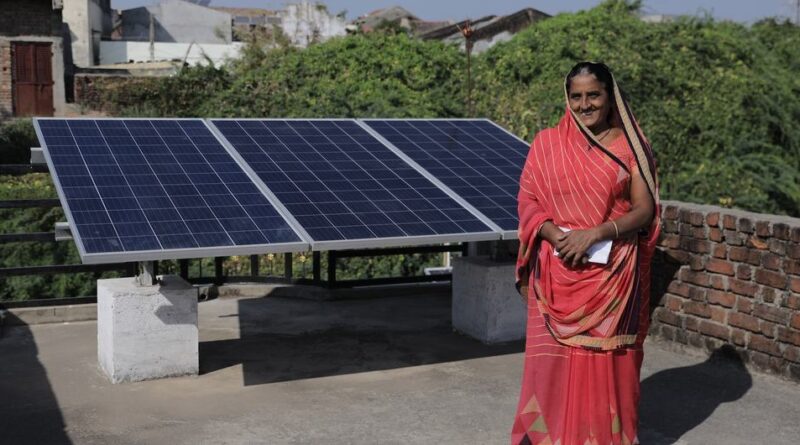
In a post earlier today, we reported on a joint study by Climate Central and World Weather Attribution that finds the actions taken by the nations of the world in the ten years since the Paris Climate Accords have helped to limit global heating by the end of this century … [continued]

Clean technology was on full display last week. In addition to global and state leaders, Climate Week attendees include many potential clean technology customers and stakeholders. Furthermore, New York City is a global hub for venture capitalists looking for their next opportunity. There were many pitches going on, and I … [continued]

Carbon mineralization plays a key role in the new “Mammoth” direct air carbon capture project in Iceland, a collaboration between Climework, Carbfix and ON Power.

Seabound, a startup in the UK, says its technology can capture the carbon dioxide in ship exhaust using quicklime.
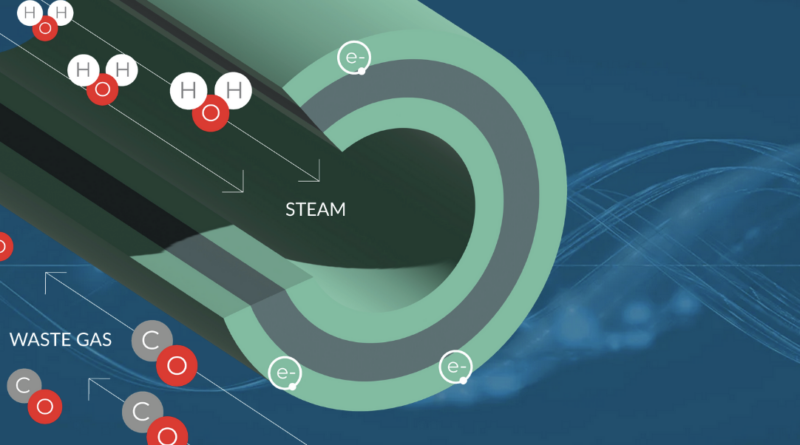
The Texas-based startup Utility Global is offering a reactor-based, non-electric, hydrogen-producing blast furnace waste gas conversion system to the global clean steel movement.

Carbon capture is touted by fossil fuel industries as a magic solution that will let us continue doing what we have always done. It’s not.
