Market Research

Britain’s Buses Became More “Productive” While Running Less Service

England outside London carried about 1.85 billion local-bus passenger journeys in 2024/25, compared with roughly 1.98 billion before COVID-19. Passenger journeys had recovered to 93.3% of their 2019/20 level, while bus service mileage had recovered to 86.0%. Put those two figures together and passenger journeys per service mile were about … [continued]

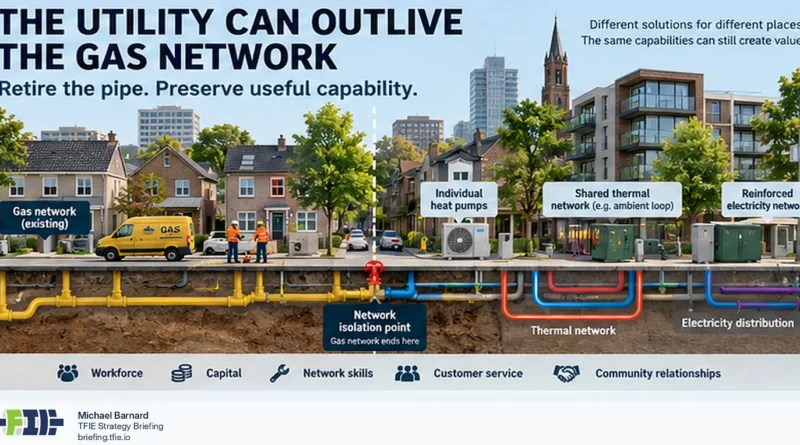
Gas Network Retirement Is Becoming A Real Utility Planning Tool

Gas utilities have a structural problem in an electrifying economy. Customers can stop using gas one building at a time, while most of the physical network remains in service until enough neighboring customers have left for a section of pipe to be shut down. That distinction matters more as heat … [continued]

Verdox Captured CO₂ From An Aluminum Smelter. Commercial Scale Is A Much Bigger System.

Verdox has completed a useful industrial demonstration at Hydro’s Sunndal aluminum smelter in Norway. During a two-month test, its electrochemical process captured carbon dioxide from exhaust containing only about 1% CO₂ and operated in the presence of contaminants found in real smelter gas. Hydro’s investment and continued work with Verdox … [continued]

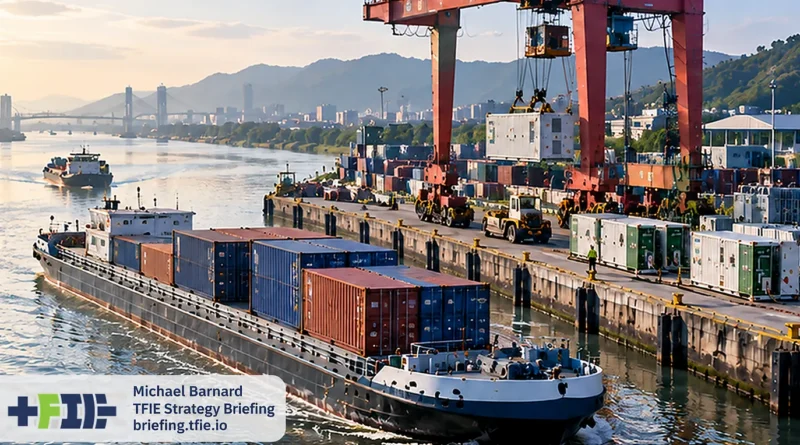
Europe Needs Electric Freight Corridors, Not Just Electric Ships

Electric ships attract attention because the vessel is the visible technology. Put a large battery into an inland cargo vessel, replace the diesel propulsion system with electric motors, and the decarbonization story appears straightforward. Inland shipping looks particularly promising because many vessels travel repeatable routes between known terminals, where large … [continued]

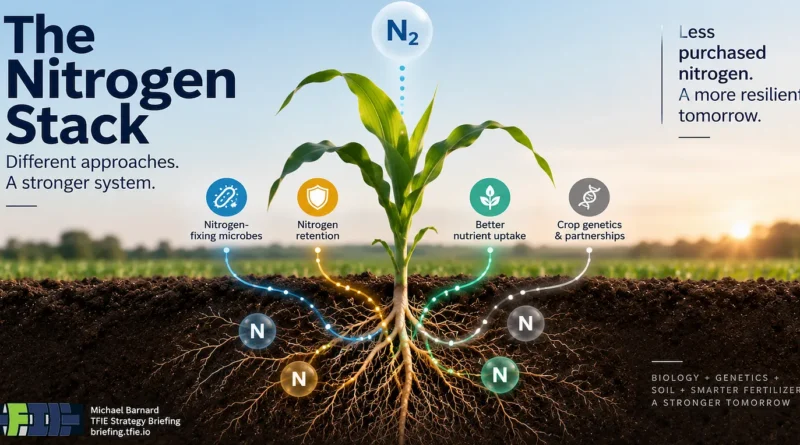
Farming’s Nitrogen Future Will Be Built From Several Technologies, Not One

Modern farming depends heavily on nitrogen fertilizer because crops need nitrogen to build proteins, chlorophyll and ultimately yield, yet most major crops cannot directly use the nitrogen gas that makes up most of the atmosphere. Farmers have to buy nitrogen in forms plants can use, generally through ammonia, urea and … [continued]

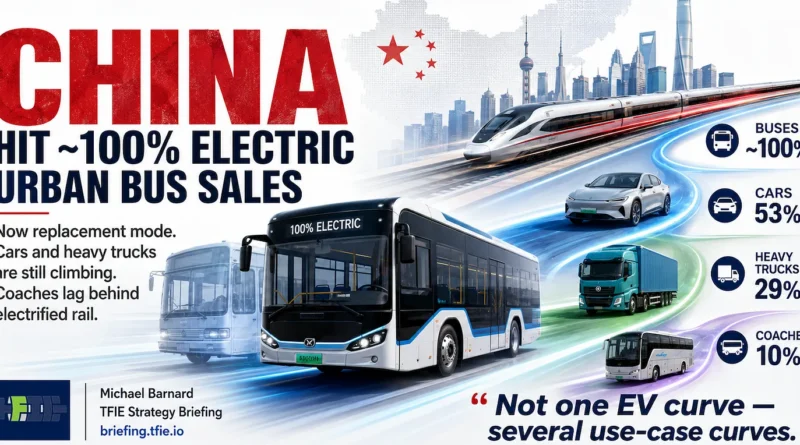
Bus Electrification Turns Governance Into Infrastructure

Britain’s bus reforms are usually discussed as a privatization story. Outside London, the 1980s reforms deregulated local bus markets and gave commercial operators far more freedom over routes and timetables. London kept public control of the passenger network while private companies competed to operate specified services. Edinburgh, Dublin and more … [continued]