Trump’s War On Wind Turbines Takes Another Ludicrous Turn
US President Donald Trump’s war on wind turbines takes another ludicrous turn as the Department of Energy re-brands to “aeromechanical energy systems.”

 US President Donald Trump's war on wind turbines takes another ludicrous turn as the Department of Energy re-brands to "aeromechanical energy systems" (courtesy of US DOE).
US President Donald Trump’s war on wind turbines takes another ludicrous turn as the Department of Energy re-brands to “aeromechanical energy systems.”
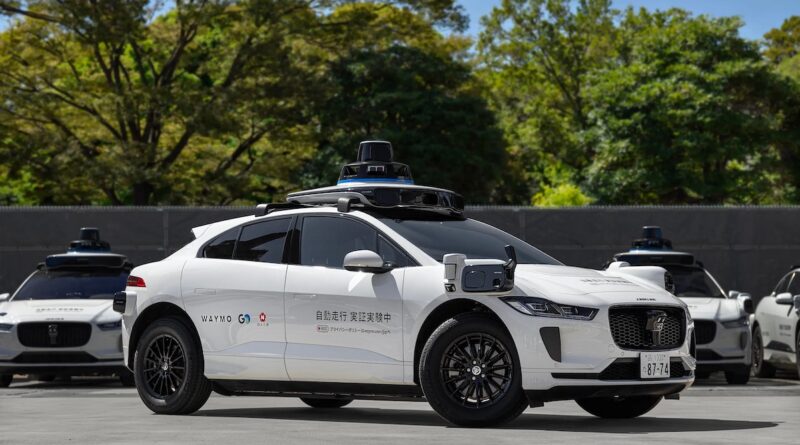
Waymo has expanded its robotaxi service across the United States quite significantly in 2026. It’s not yet covering a huge portion of the population, but it’s operating in more than a dozen major cities already. As it expanded further and further in the US, though, I started wondering how hard … [continued]
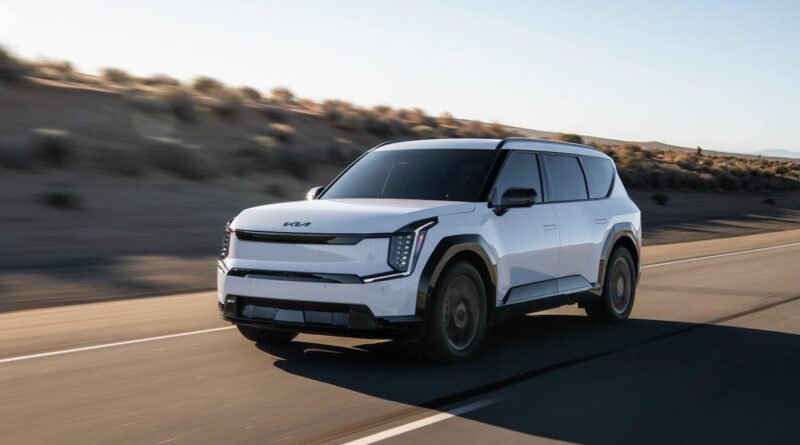
The Kia EV9 is one of the few three-row electric vehicles on the market. It’s quite large, and the interior and technology are very nice and high quality despite the vehicle being fairly affordable. However, apparently, it hasn’t been cheap enough — until some dealerships recently got aggressive with their … [continued]
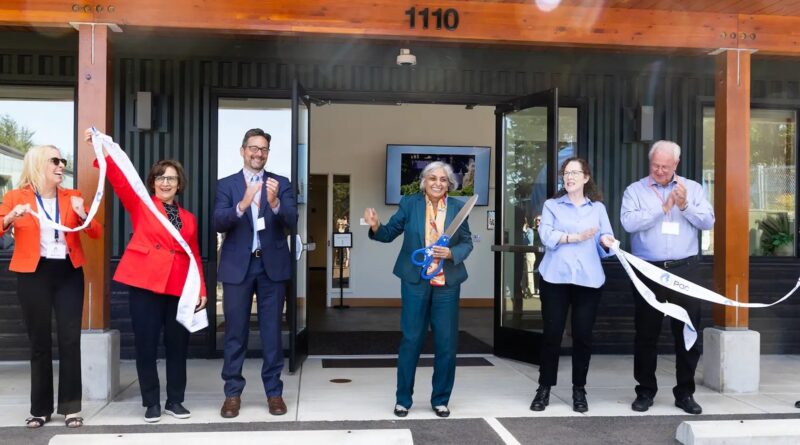 Marking the opening of PacWave South on Aug. 27, leaders from Oregon State University, the U.S. Department of Energy, Congress, and the Oregon Legislature joined PacWave Director Dan Hellin (far right) for a ribbon-cutting ceremony at the nation’s first grid-connected, pre-permitted open-ocean wave energy test facility. Photo from Darryl Lai, Oregon State University.
NLR and Partners Unveil America’s First Pre-Permitted Proving Ground for Commercial-Scale Wave Energy Converters on Oregon Coast By Karen Petersen, NLR On Aug. 27, the nation’s first grid-connected, internationally accredited open-ocean wave energy test facility made its debut on the Oregon coast. The National Laboratory of the Rockies (NLR) marked … [continued]
 The Geothermal Center of Excellence convenes leaders from industry, the U.S. Department of Energy, National Laboratory of the Rockies, and National Energy Technology Laboratory. From left: Joshua Nordquist, Ormat Technologies; Jud Virden, NLR; John Lassek, DOE; Kyle Haustveit, DOE; Tim Latimer, Fervo Energy; Amanda Kolker, NLR; Angelos Kokkinos, NETL; and Lauren Boyd, DOE. Photo by Joe DelNero, National Laboratory of the Rockies.
New Center Will Address High-Impact Technical Barriers and Serve as Geothermal Industry’s Gateway to the Expertise of the National Laboratories On Sept. 3, the U.S. Department of Energy’s (DOE’s) Hydrocarbons and Geothermal Energy Office (HGEO) announced the establishment of a Geothermal Center of Excellence on the National Laboratory of the … [continued]
Most people don’t think about energy until the lights go out. Or transportation until the road is closed. Or the complex systems that keep people moving until they stop working. Taylor Searcy has spent much of his career thinking about those systems. Driven to Serve highlights the veterans and military-connected … [continued]
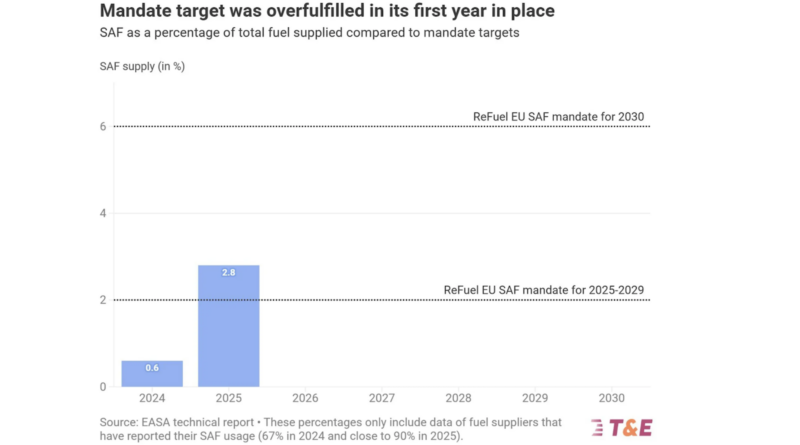
Now Europe must unlock e-SAF investment. The European Union Aviation Safety Agency (EASA) published today its Annual Technical Report on ReFuelEU Aviation (for 2025 data), providing the first full picture of the EU sustainable aviation fuel (SAF) market since the Regulation’s mandatory targets came into force. The report sends an … [continued]
BYD’s big focus at the moment seems to be finding ways to expand globally and grow its sales outside of China as fast as possible. The Chinese market is not the hottest, which is surely part of it, but it’s also clearly a prime time in the transition to electric … [continued]
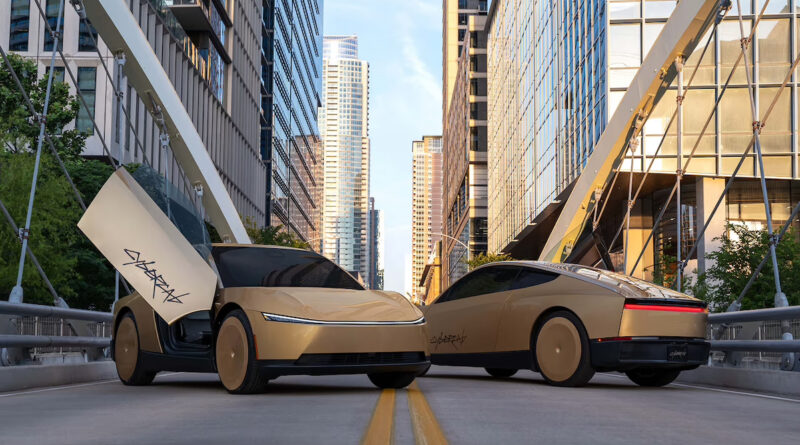 The Tesla Cybercab rollout in Austin, Texas has been colored by many questions, including a list of 21 specific demands for information from the National Highway Traffic Safety Administration (courtesy of Tesla via CleanTechnica archive).
The Tesla Cybercab rollout in Austin, Texas has been colored by many questions, including a list of 21 specific demands for information from the National Highway Traffic Safety Administration.
 Farm electrification is several different operating problems sharing one electrical platform. Stationary loads, redesignable services and narrow-window seasonal work require different investment sequences.
Ask whether agriculture can electrify and the conversation usually arrives at the same machine within minutes: the tractor. More specifically, the large diesel tractor working hard through planting, harvest or another narrow seasonal window. It is a legitimate engineering challenge, but it is a poor organizing principle for farm electrification. … [continued]